Treasury Turmoil: Why Experts Are Turning to Gold and Cash
U.S. Treasury Bond Market Signals Rising Financial Risk
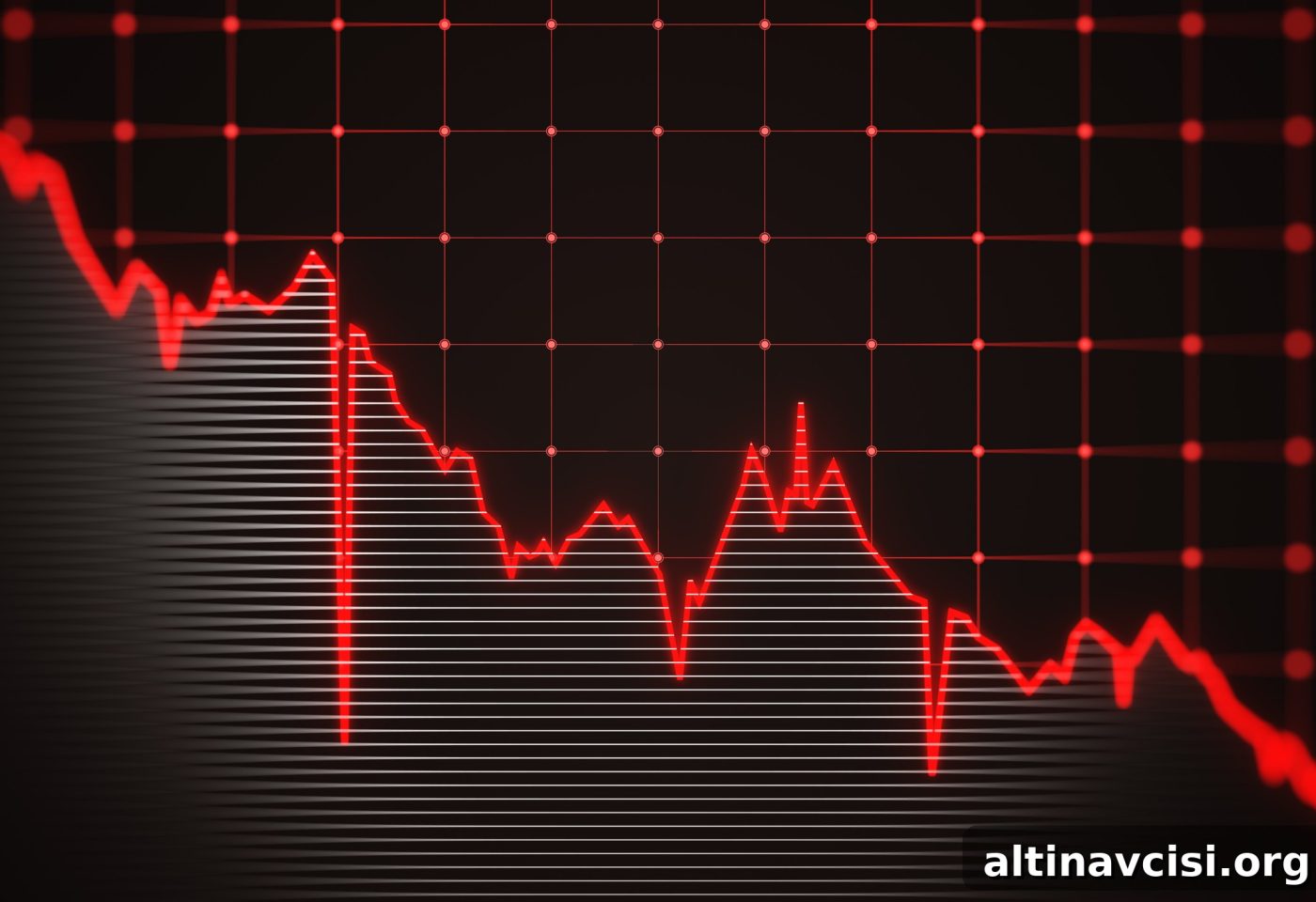
The U.S. Treasury bond market has recently displayed unusual and worrying behavior that many analysts interpret as a sign of mounting economic strain. Despite calm or optimistic sentiment in parts of the equity market, bond yields have swung sharply—behavior more commonly associated with major financial disturbances than routine market fluctuations. These movements have captured the attention of investors and policymakers because shifts in Treasury yields directly influence borrowing costs across the economy.
High-Profile Warnings and Market Reaction
On April 7, Larry Fink, the CEO of BlackRock, publicly noted that most corporate CEOs he speaks with believe the economy may already be in a recession. Ordinarily, such a statement would push risk-averse investors toward the perceived safety of government debt. Instead, the market reacted in an unexpected way: the 10-year Treasury yield experienced a dramatic intraday swing. That type of extreme volatility has previously been associated with moments of intense financial stress, such as the 2008 crisis, and it signals a dislocation in how investors are pricing risk.
Why Bond Investors Are Spooked
There are several factors contributing to growing skepticism among bond investors. Concerns about policy direction—particularly the possibility of renewed tariffs and the return of inflation—have eroded confidence that current economic policies will support stable growth. When investors doubt the trajectory of fiscal or trade policy, they reassess the real returns on long-term government debt, often resulting in rapid yield shifts.
That distrust is reflected in a broader shift toward alternative safe havens. On April 16, gold surged 3.6% in a single day as traders sought a store of value less sensitive to policy shifts than nominal Treasury yields. The jump in gold prices is consistent with investor behavior during periods of uncertainty when inflation risks and geopolitical or policy concerns are elevated.
Direct Impact on Consumers
Volatility in the Treasury market is not an abstract concern: it has concrete consequences for households. Treasury yields are a benchmark for many consumer interest rates. When yields move higher or become unpredictable, mortgage rates, student loan rates, and credit card APRs can increase or become more volatile. That raises borrowing costs for prospective homebuyers, adds pressure to household budgets for those carrying student debt, and increases the cost of revolving credit for consumers—potentially reducing disposable income and weighing on overall demand.
Expert Advice: Defensive Positioning
Several prominent financial figures have recommended defensive strategies in response to these signals. Jeffrey Gundlach has advised investors to maintain significant cash positions—around 25 to 30 percent—avoid leveraged investments, favor short-duration, high-quality bonds, consider holding gold as an inflation hedge, and prepare for the likelihood of a recession. These recommendations emphasize liquidity, capital preservation, and reduced exposure to prolonged rate risk.
Similarly, Warren Buffett’s large cash balance—approximately $345 billion held by Berkshire Hathaway—underscores a cautious approach. Holding substantial cash allows an investor to remain flexible, take advantage of opportunities during market dislocations, and avoid forced selling in volatile conditions.
What Investors Should Watch
Going forward, investors and consumers should monitor several key indicators: the behavior of long-term Treasury yields (especially the 10-year rate), inflation readings, central bank communications, and signals from corporate executives about demand and hiring. Rapid, unexplained swings in yields or sustained deviations between inflation expectations and actual inflation can be early warnings of broader stress.
In summary, recent turbulence in the Treasury market—highlighted by sharp intraday yield moves and a pronounced rush to gold—suggests rising concern among bond investors about policy, inflation, and growth. For households, this translates into potential increases in borrowing costs. For investors, prominent advisers are recommending defensive allocations, liquidity preservation, and readiness for a possible economic downturn.
Popular Topics
Picked from the archive
-
01
 Topics
Goldman Sachs Sees Gold Rally Reaching $4,500 on Tail Risk
-
02
Topics
US Launches Tariff Probe into China’s Critical Minerals Supply
-
03
Topics
Precious Metals Drop After US China Tariff Cut
-
04
Topics
Is Gold Overcrowded for Investors? Data Says No
-
05
Topics
Powell Says Tariffs Fuel Tension Between Inflation and Growth
-
06
Topics
Gold Drops 3% as U.S.-China Trade Deal Calms Markets
-
07
Topics
Foreign Treasury Selloff Threatens U.S. Borrowing Costs
-
08
Topics
Why Investors Remain Bullish Despite 60 Percent Recession Odds