Key Takeaways
- Profit booking in gold and silver refers to selling positions to lock in gains after a price rise — functionally the same as “profit taking” in Western markets.
- Profit booking typically creates temporary price dips rather than structural trend reversals. The long-term reasons to hold gold and silver usually remain intact.
- Silver tends to experience more intense profit booking events than gold because its market is smaller by daily trading value and carries higher speculative leverage.
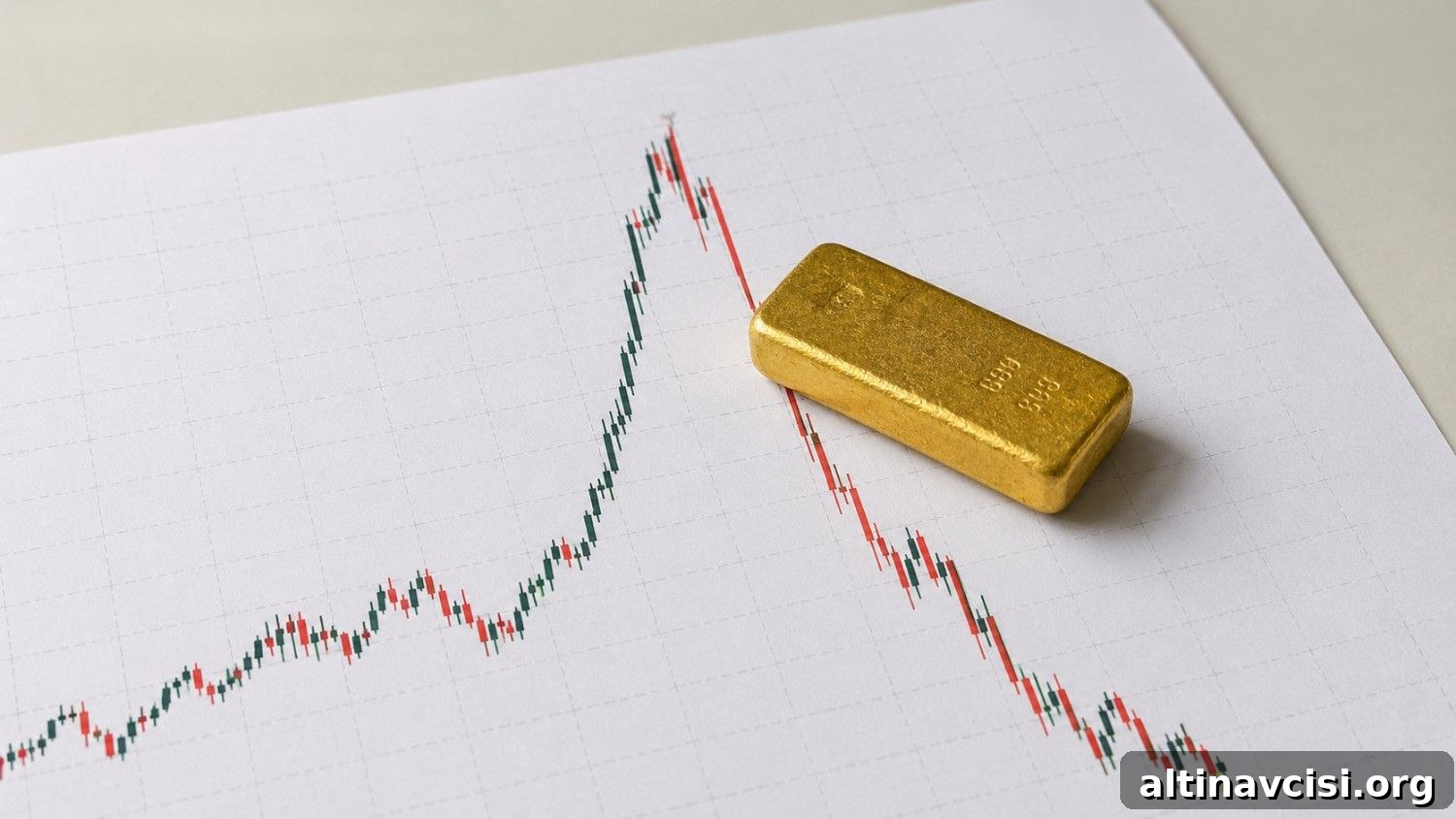
- On January 30, 2026, profit booking pushed gold down roughly 12% on the session and silver about 35% intraday — the largest single-session decline in decades for both metals.
- For long-term holders, profit booking corrections are often the best accumulation windows during a structural bull market.
Profit booking in gold and silver occurs when investors or traders sell positions to realize gains after a strong rally. Large rallies attract short-horizon participants who bought earlier; when they choose to convert paper gains into cash, concentrated selling pressure can appear. This behavior is common across major markets including COMEX, LBMA and futures exchanges in Asia, not only in Indian commodity markets where the term is widely used.
How it works: Profit booking compresses selling into a short period, sometimes pushing prices briefly below what fundamentals would imply. In leveraged futures markets, that initial selling can trigger margin calls and stop-loss orders, amplifying price moves into a cascade of liquidations. Once forced and speculative positions clear, prices tend to stabilize and recover if fundamental drivers remain unchanged.
What Causes Profit Booking in Gold and Silver?
Profit booking is driven by the short-horizon actions of specific market participants — traders, leveraged futures accounts and momentum funds — rather than a loss of conviction in gold or silver’s role. Several common conditions concentrate profit booking:
Extended rallies hitting round-number price levels. Psychological price milestones often trigger clustered sell orders. Traders who entered at lower prices treat these thresholds as natural exit points, creating self-reinforcing selling pressure that can cascade as stop-losses are triggered.
Exchange margin requirement increases. When exchanges raise margin requirements, highly leveraged traders either must post more capital or close positions. Forced closures add mechanical selling to voluntary profit taking, compounding downward pressure.
Macro or geopolitical trigger reversals. Gold and silver often embed risk premiums during crises. When those risk premiums diminish — due to diplomatic developments, policy signals or easing tensions — traders who entered for protection may sell and realize gains.
Technical overbought signals. Momentum indicators such as the Relative Strength Index (RSI) can prompt systematic strategies to cut long exposure when readings become extreme. That mechanical selling can encourage others to follow, increasing the speed and magnitude of price drops.
None of these triggers necessarily change the structural reasons to hold physical gold and silver. They reflect short-horizon positioning, not a reappraisal of the metals’ monetary or store-of-value characteristics.
Why Does Profit Booking Cause Such Sharp Price Drops?
The key driver is the interaction of leverage and cascading liquidations. Futures contracts allow traders to control large exposures with a small initial margin. When prices turn against leveraged longs, exchanges issue margin calls that must be met quickly. Traders unable or unwilling to add capital are forced to sell, which further depresses prices and triggers additional margin calls and stop-losses. The resulting cascade can amplify an initial decline many times over.
A dramatic example occurred in late January 2026 when gold hit an all-time high and then experienced a rapid correction alongside market-moving news and margin changes. The decline was driven primarily by leveraged speculative positions unwinding and by rising margin requirements, rather than a sudden collapse in the structural drivers of gold demand.
Why Does Silver See More Severe Profit Booking Than Gold?
Silver tends to suffer sharper, faster profit booking events for three structural reasons:
Smaller market size. Silver’s trading value is substantially smaller than gold’s, so identical selling volumes move silver prices further.
Higher baseline volatility. Silver’s price typically shows greater annualized volatility than gold, meaning cascades accelerate more rapidly and produce larger percentage moves.
Dual demand drivers. A much larger portion of silver’s demand comes from industrial and technological uses. During stress events, investment selling can coincide with weakening industrial demand projections, amplifying downward pressure. Gold lacks a comparable industrial-demand component, so it is less susceptible to that dual-pressure effect.
These structural features make silver corrections deeper and quicker, but they do not invalidate the underlying long-term supply-demand fundamentals that support investment demand.
Is Profit Booking a Sign That the Gold Bull Market Is Over?
No. Profit booking typically removes speculative excess without altering the supply-demand trajectory that underpins the structural trend. Central bank purchases and long-term demand patterns often continue through corrections, indicating that the bull thesis remains intact.
What profit booking does change is the entry price: it creates discounted opportunities when forced selling by speculators sets prices independent of long-term conviction. For patient investors, those dips can be attractive accumulation windows rather than signals to exit.
What Is the Difference Between Profit Booking and a Bear Market?
Profit booking is a relatively short-lived decline driven by traders realizing gains. A bear market is a prolonged downtrend reflecting a structural change in fundamentals or the investment case — typically lasting months or years. In profit booking episodes, trading volume spikes and prices recover as longer-term buyers absorb supply; fundamental drivers such as central bank demand and fiscal conditions remain unchanged. In genuine bear markets, those fundamentals deteriorate and selling persists.
What Does Profit Booking Mean for Long-Term Gold and Silver Holders?
For holders of allocated physical metal, profit booking is largely background noise. Physical holdings face no margin calls or forced liquidation, so the mechanics that force leveraged traders to sell do not apply. Historically, corrections driven by profit booking have offered reliable opportunities to add to a long-term position at discounted prices.
Three practical implications:
Physical holders are insulated from futures mechanics. Allocated physical gold and silver are not subject to margin calls, so no immediate action is required during a futures-market correction.
Corrections create accumulation windows. Periodic dips generated by speculative capitulation can present buying opportunities for long-term investors seeking to increase physical holdings at more attractive prices.
Understanding reduces emotional trading. Recognizing that a sell-off is driven by leveraged traders facing margin pressure — rather than by a fundamental collapse in the metals’ role — helps investors avoid panic selling and maintain a long-term perspective.
The Knowledge That Changes Everything

Two essential guides — yours free. Learn why gold matters and why fiat currencies face long-term pressures.
Stay On Top of Gold & Silver Prices
Get important market alerts sent straight to your inbox.
People Also Ask
Why does profit booking cause gold prices to fall?
When investors sell to lock in gains, sell orders can temporarily overwhelm buy-side demand at prevailing prices. In leveraged futures markets, margin calls and stop-losses amplify the initial decline, creating a cascade that pushes prices lower than fundamentals alone would dictate.
Does profit booking mean gold is overvalued?
Not necessarily. Profit booking is the behavior of traders realizing gains and does not automatically imply that gold’s fundamental value has fallen. Long-term drivers like central bank accumulation, currency debasement and real interest rate dynamics operate independently of short-term speculative selling.
Why does silver fall more than gold during profit booking?
Silver’s smaller market size, higher baseline volatility, and significant industrial demand make it more vulnerable to large percentage swings when speculative positions unwind. Those structural differences explain why silver corrections are often deeper and faster than gold’s.
Should long-term gold holders sell during a profit booking event?
For most long-term physical holders, selling during a profit booking event is unnecessary. Allocated physical holdings are not subject to margin calls and historically buying during corrections has rewarded patient investors who treat such periods as accumulation opportunities.
SOURCES
1. World Gold Council — Gold demand and central bank purchasing data (2025–2026 reporting).
2. Silver Institute — World Silver Survey (industrial demand and supply data).
3. CME Group — guidance on futures margin mechanics and their effects on leveraged positions.
4. Price and historical movement references from market price charts and exchange reports.
Disclaimer: This article is for informational purposes only and does not constitute financial or investment advice. Consult a qualified financial adviser before making investment decisions.
You May Also Like:
- Gold Technical Analysis: A Complete Investor’s Guide
- The Anatomy of a Premium: Why Gold and Silver Trade Above Spot
- Peak Gold: Why Mine Supply Struggles to Meet Demand
- How Is Gold Taxed When You Sell It? An Overview
- Most Gold Storage Isn’t Allocated. How to Check Yours.
- Debates on Price Floors and Market Prognoses
- Why Is Gold So Expensive? Key Mechanisms Behind Price