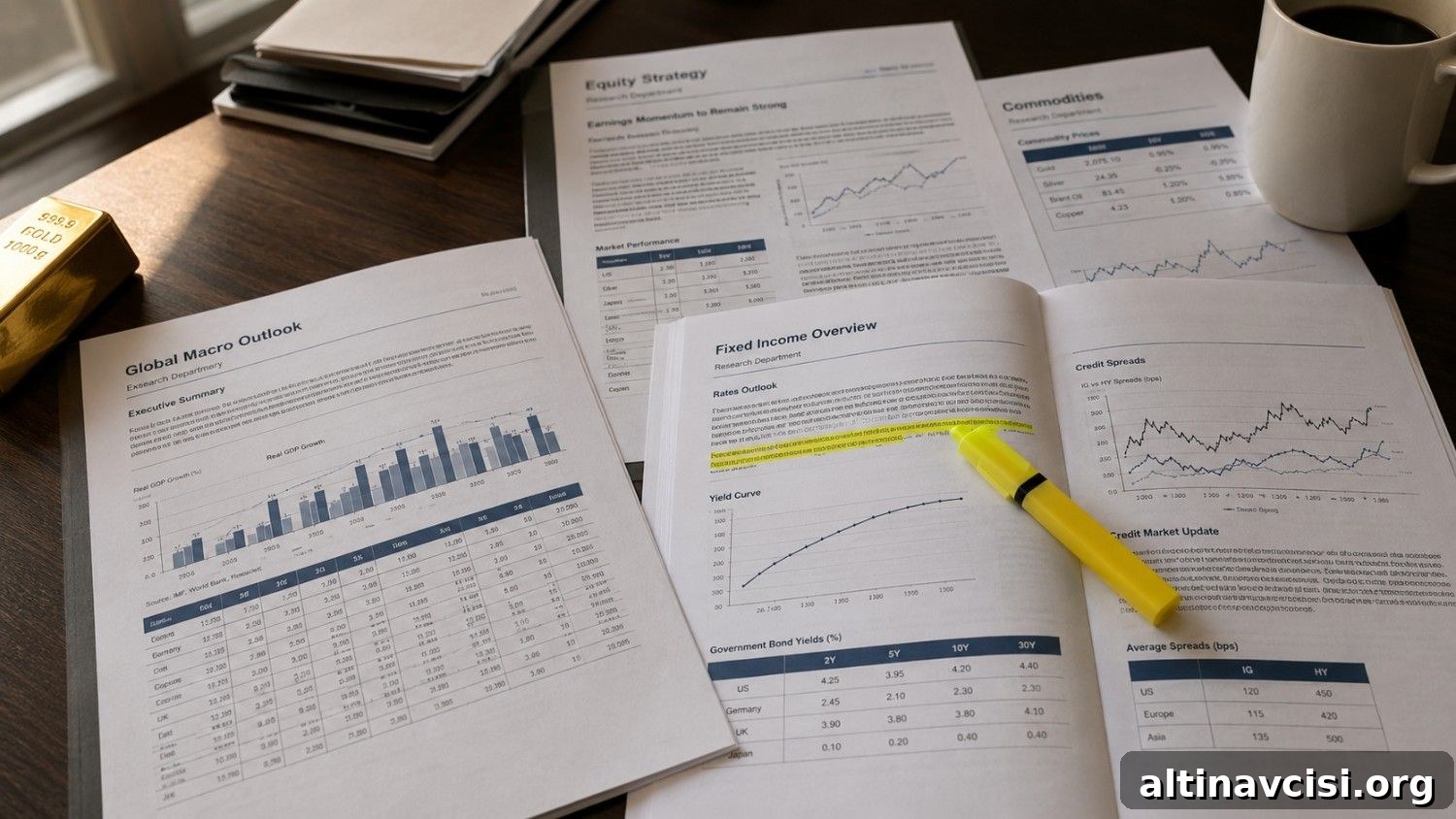
In today’s update: The gold market outlook for 2026 received five institutional endorsements in one week. State Street, Goldman Sachs, the World Gold Council, UBS, and MKS PAMP published fresh analysis — and each concludes that the Q2 selloff altered the entry price, not the long-term thesis.
What Does State Street Think the Floor for Gold Is in 2026?
State Street Global Advisors published its July Monthly Gold Monitor, led by strategist Aakash Doshi, outlining a baseline scenario that targets $4,750–$5,500 per ounce by early 2027. The note stresses that June’s correction altered price levels rather than structural drivers. Gold declined about 11.7% last month — its steepest fall since the 2013 taper tantrum — while silver and bitcoin also saw significant moves. On a risk-adjusted basis, State Street argues gold still performed resiliently. Structural catalysts remain: global debt reached a record level in H1 2026, Chinese retail demand has strengthened since the Iran conflict began, and central-bank and institutional positioning is not overstretched. Despite ETF outflows in June, total ETF gold holdings remain below pandemic-era peaks. State Street sees $4,000–$4,100 as solid support and leaves open the possibility of retesting all-time highs into 2027.
The Edge Every Investor Needs
Smarter precious metals investing starts here. The Nuggets Newsletter brings essential market insights, Fed updates, global trends, educational videos, and timely analysis.
Why Is Goldman Sachs Still Targeting $4,900 for Gold?
Samantha Dart, co-head of commodities research at Goldman Sachs, defended the bank’s $4,900 end-2026 gold target in a late-June note. The four-month selloff, she says, reflects repricing of rate-sensitive Western demand rather than a change in the identity of buyers. Goldman revised its central-bank demand model after uncovering understated London vault outflows, raising its sovereign purchase estimate substantially. Central banks accumulate on long-term mandates and are less reactive to individual Fed meetings; those mandates are accelerating. A recent survey of central banks and sovereign wealth funds showed a notable shift: more institutions plan to reduce dollar allocations and add gold. Dart’s bottom line: sovereign-driven demand remains a powerful force and supports the thesis that gold is not finished moving higher.
What Does the World Gold Council’s Mid-Year Outlook Say About Gold’s Second Half?
The World Gold Council released its Gold Mid-Year Outlook 2026, titled Point Break. The report notes that gold rose above $5,500 in January, dipped below $4,000 by late June, and remains down year-to-date despite being one of the stronger-performing commodities over the past 12 months. Using its Gold Valuation Framework, the WGC regards a range-bound second half as the base case, roughly ±5% from current levels. Upside catalysts include a deteriorating economy, lower rate expectations, or sustained dip-buying, any of which could push gold back toward $4,500 and higher. The report highlights a key structural difference from 2013: Asian physical markets now play a direct role in price discovery, and central-bank accumulation is being driven by sovereign mandates rather than short-term inflation readings—factors that were largely absent in the last major correction.
Does UBS Think the Gold Correction Is an Opportunity to Buy?
UBS’s Chief Investment Office published a note projecting gold around $5,200 per ounce over the next 12 months, framing the pullback below $4,000 as a buying opportunity for investors who remain underallocated to the metal. UBS acknowledges near-term headwinds — rising real yields and a firmer dollar raise the opportunity cost of holding non-yielding gold — and sees potential short-term support between $3,850 and $4,000. Strategically, UBS expects the Fed to hold rates through 2026 with cuts beginning potentially in 2027. As markets price out additional hikes, that shift should support gold. UBS also notes stretched dollar positioning in the context of large U.S. fiscal and external deficits.
Why Did Gold Fall If the Inflation Thesis Was Supposed to Help It?
Nicky Shiels, head of research and metals strategy at MKS PAMP, argues that H1 2026’s price action reflected a specific shock: energy-driven, supply-side inflation that tends to lift the odds of Fed tightening and raise the opportunity cost of a non-yielding asset. In that environment, gold traded more like an inverse oil proxy than as a classic debasement hedge. That said, the longer-term structural drivers — fiscal dominance, potential dollar weakness, central-bank accumulation, and geopolitical fragmentation — remain intact. MKS PAMP’s outlook for H2 is optimistic, with a target that envisions new all-time highs; silver’s further upside likely requires gold to make new highs first.
Stay On Top of Gold & Silver Prices
Get important market alerts sent straight to your inbox.
Live widget removed in this version. Visit market pages for updated spot prices.
SOURCES
Kitco News, World Gold Council Gold Mid-Year Outlook 2026, UBS Chief Investment Office, MKS PAMP research, OMFIF survey results, and CME Group FedWatch commentary were referenced for the institutional views summarized above.
Disclaimer: This article is for informational purposes only and does not constitute financial or investment advice. Consult a qualified financial adviser before making investment decisions.
You May Also Like:
- Gold Hits 3-Week High as Fed Hike Odds Halve on Jobs Miss
- The Jobs Report Missed. The Unemployment Rate Fell Anyway. Gold Didn’t Buy It.
- Gold Jumps 2.5%, Silver Surges 3.85% as Rate-Hike Bets Unwind Ahead of Jobs Report
- Warsh Called Inflation “Too High.” He Also Said the Risk Is Fading. Gold Noticed.
- ADP Missed. Gold Shrugged. Warsh Is Live in Sintra Right Now.
- OCBC Just Cut Its Gold Forecast by $740. The Reason Is the Story.
- Gold Is Closing Its Worst Quarter Since 2013. A War Made It Happen.