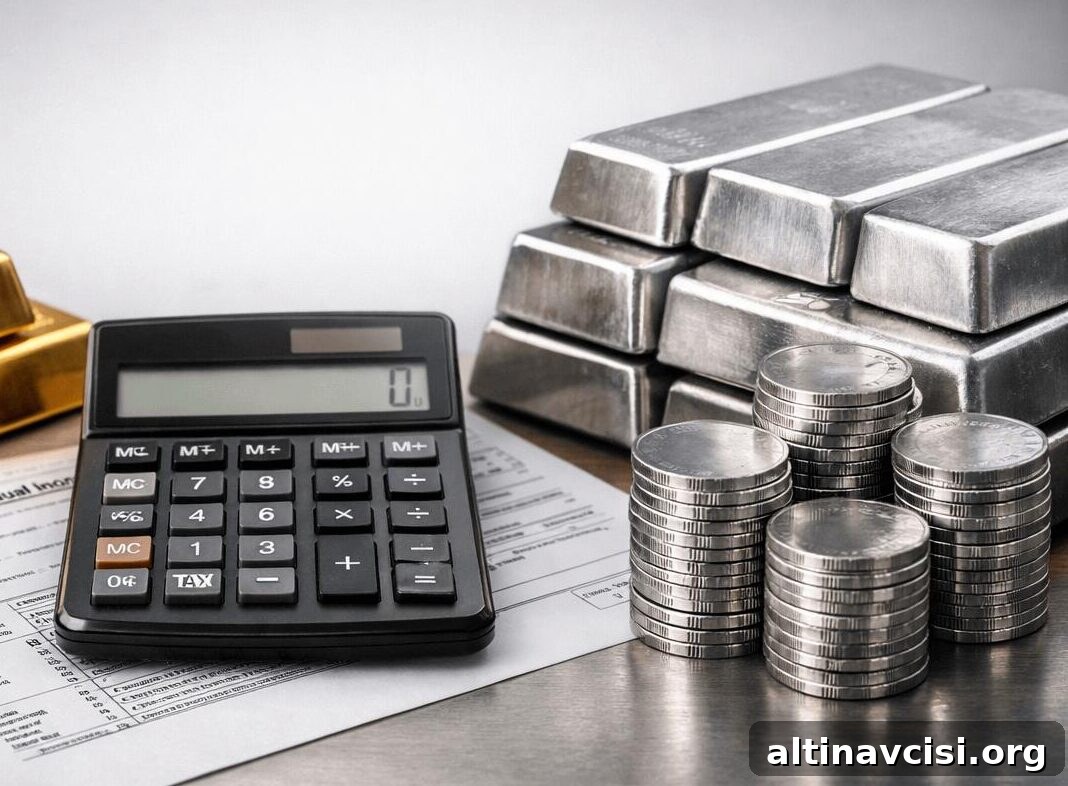
Silver holds a distinctive place among investment assets. If you’re thinking about adding silver to your portfolio, it helps to understand what makes it different. For thousands of years silver has served as money, and today it also plays a vital role in solar panels, electronics, and medical devices. That combination of monetary and industrial use is uncommon — and silver also offers ownership without counterparty risk, no dividend disappointments, and no reliance on a financial intermediary’s promise.
Investing in silver means owning a tangible asset: either physical metal or financial instruments that track its price. At its foundation, silver can help preserve purchasing power and diversify holdings beyond assets that depend on institutional trust.
Silver is not a cure-all. It’s volatile, provides no yield, and works best as one element of a diversified plan rather than a sole strategy.
This guide focuses on practical information — what silver investing involves, how to approach it with discipline, and whether it makes sense for your portfolio.
Key Takeaways
- Silver provides tangible ownership with no counterparty risk and serves both monetary and industrial roles.
- Demand for silver comes from industrial uses and its monetary history, supported by scarcity and practical utility.
- Investors can choose physical silver, ETFs, mining stocks, or derivatives, each with distinct benefits and risks.
- Disciplined approaches like dollar-cost averaging help manage volatility and improve long-term results.
- Silver typically fits into a diversified portfolio; many investors allocate 5–15% to precious metals combined.
Why Invest in Silver?
Most financial assets represent a claim on something else — a share of a company, a bond claim on future payments. Silver is different: it is the asset. That distinction matters for investors focused on long-term resilience.
Investors typically pursue two objectives with silver: protecting purchasing power over time and diversifying away from assets that rely on institutional promises. How you pursue those goals depends on the form of silver you choose.
Physical silver — coins, bars, and rounds you hold personally — provides direct ownership with no counterparty. Paper silver — ETFs, mining stocks, derivatives — delivers price exposure but reintroduces financial infrastructure that some investors prefer to limit.
Neither approach is inherently wrong; they simply serve different purposes. If you’re new to precious metals, comparing silver with gold can clarify how each metal fits into your plan and where silver’s characteristics may be an advantage.
What Makes Silver Worth Your Attention?
Silver is often compared to gold, but it occupies a unique niche.
Where gold is primarily a monetary asset, silver is both monetary and industrial. About half of annual silver demand is industrial — driven by renewable energy, electronics, and medical applications — while the remainder is investor and jewelry demand.
That dual demand creates a distinctive dynamic: industrial growth can lift demand, and financial uncertainty can boost investor interest. Silver’s value rests on three fundamentals:
- Scarcity — silver exists in finite quantities and cannot be created on demand.
- Utility — it is essential to many expanding technologies and industrial processes.
- Monetary history — silver has functioned as money for millennia, giving it a long-standing role alongside other stores of value.
These fundamentals don’t guarantee future performance, but they explain why serious investors continue to include silver in their considerations.
Silver vs. Gold: Which One Belongs in Your Portfolio?
This does not have to be an either-or choice.
Gold and silver serve complementary roles. Gold tends to be more stable and is widely held by central banks for wealth preservation. Silver is more volatile because its market is smaller and partly driven by industrial demand, which can amplify price swings.
Investors often watch the gold-to-silver ratio as a reference for relative valuation: when the ratio is unusually high, some see silver as relatively undervalued compared to gold. Ratios are tools, not guarantees.
Many long-term investors hold both metals: gold for stability and silver for diversification and potential upside. The objective is balance rather than prediction.
The Main Ways to Invest in Silver
Choose the vehicle that matches your goals and tolerance for trade-offs.
1. Physical Silver
Buying coins, bars, or rounds gives you direct ownership with no counterparty risk. Government coins (e.g., American Silver Eagles or Canadian Maple Leafs) often carry higher premiums but are widely recognized and easier to sell. Bars tend to have lower premiums per ounce, making them more cost-efficient for larger positions.
Physical ownership removes counterparty exposure but introduces storage considerations. Options include a secure home safe, bank safe deposit boxes, or professional vaulting services, each with trade-offs in access, cost, and security.
2. Silver ETFs
Exchange-traded funds provide liquid price exposure without storage logistics. ETFs are convenient but rely on custodians and financial institutions to hold the underlying metal, so you own a financial product tied to silver’s price rather than the metal itself.
3. Silver Mining Stocks
Mining companies offer leveraged exposure: profitable miners can outperform the metal in rising markets. This upside comes with business risks — management, operational costs, political risks, and regulation — and miners behave more like equities than physical metal.
4. Futures and Options
Derivatives let traders take positions on silver’s price without owning the metal. They can hedge or express directional views but involve complexity, margin, contract expirations, and leverage. These tools are generally suited to experienced investors.
Silver Investment Strategies That Emphasize Discipline
Patience is a genuine advantage in silver investing. Consider these disciplined strategies:
Dollar-Cost Averaging (DCA): Invest a fixed amount at regular intervals instead of trying to time the market. DCA reduces emotional decisions and smooths volatility, often outperforming attempts to predict short-term moves.
Allocate, Don’t Concentrate: Use precious metals as part of a diversified portfolio. Many investors allocate 5–15% to gold and silver combined, adjusting based on risk tolerance and overall holdings.
Prioritize Direct Ownership: If resilience and control matter most, physical silver eliminates intermediary and counterparty risk. That simplicity can be especially valuable during market stress.
Think in Years, Not Weeks: Silver’s role is clearer over multi-year horizons. Scarcity, monetary history, and industrial demand take time to influence outcomes, so long-term perspectives usually lead to better decisions than daily trading.
What Are the Risks of Investing in Silver?
Every investment carries risk. Knowing them upfront helps you allocate responsibly.
- Volatility: Silver can move sharply in both directions and often shows larger swings than gold due to its smaller market and industrial sensitivity.
- No yield: Silver produces no dividends or interest; returns depend entirely on price appreciation, favoring patient holders.
- Storage costs: Physical silver requires secure storage, which adds to the cost basis over time.
- Liquidity spreads: Buying and selling physical silver involves bid-ask spreads that can reduce returns for short-term holders.
- Counterparty risk in paper silver: ETFs, futures, and similar products rely on custodians and institutions; in extreme market stress that reliance can become a liability.
Recognizing these risks helps you size your allocation and choose the right mix of vehicles for your goals.
Is Now a Good Time to Invest in Silver?
Timing markets consistently is difficult. Instead of chasing short-term forecasts, consider structural factors: silver’s growing industrial role, its monetary history, and its relative scarcity. These fundamentals matter more over years than months.
A more useful question is whether silver belongs in your long-term allocation. For investors with decade-plus horizons, that perspective usually yields clearer decisions than watching daily price movements.
How to Get Started
Keep the initial steps simple:
- Decide on an allocation that fits your diversified portfolio — many start with 5–15% for precious metals combined.
- Choose your vehicle — physical silver is a straightforward option for direct ownership; ETFs or mining stocks may suit other objectives.
- Work with a reputable dealer and understand premiums over spot price before buying.
- Secure your holdings thoughtfully — home safes, safe deposit boxes, or professional vaults each carry trade-offs.
- Consider a disciplined purchase schedule such as dollar-cost averaging to build your position steadily.
Building wealth with silver is rarely dramatic. It’s usually steady accumulation backed by informed decisions and a long-term perspective.
Final Thoughts
Silver is not a magic asset. It won’t remove all risk, produce income, or follow a straight path. But as part of a thoughtful, diversified strategy, it offers tangible ownership, genuine scarcity, and independence from financial intermediaries — qualities that matter in a world where many assets are someone else’s liability.
Investing in silver is about thinking long term and owning something real.
Stay On Top of Gold & Silver Prices
Get important market alerts sent straight to your inbox.
People Also Ask
What is the best way to start investing in silver?
A straightforward first step is buying physical silver — coins or bars — from a reputable dealer. Start with a modest allocation, choose recognized products, and use dollar-cost averaging to build your position gradually rather than timing a single entry.
Is silver a good hedge against inflation?
Historically, silver has helped maintain purchasing power over long periods. It cannot be printed on demand like fiat currency, so in inflationary environments tangible assets often hold value better than cash. Short-term volatility remains a factor, so silver is best viewed as a long-term hedge.
How much of my portfolio should be in silver?
Many long-term investors allocate 5–15% of their portfolios to precious metals combined. Silver typically represents a portion of that allocation; the exact split depends on your risk tolerance and investment goals.
What is the difference between physical silver and silver ETFs?
Physical silver gives direct ownership and no counterparty risk but requires secure storage. Silver ETFs offer easy liquidity and convenience but rely on custodians and institutions to hold the metal, so you own a product tied to silver’s price rather than the metal itself.
Is silver riskier than gold as an investment?
Generally, yes. Silver is more volatile than gold because of its smaller market and greater sensitivity to industrial demand. It can produce larger gains in strong markets and steeper losses in downturns. Many investors use gold for stability and silver for potential upside and diversification.
Disclaimer: This article is for informational purposes only and does not constitute investment advice. Consult a qualified financial advisor before making investment decisions. Past performance is not indicative of future results.
You May Also Like:
- Gold Purity Explained: What Investors Need to Know
- Gold vs. Silver: Roles, Risks, and Portfolio Strategy
- Silver Canadian Maple Leaf: Why It’s One of the World’s Top Bullion Coins
- Gold Portfolio Allocation 2026: What J.P. Morgan’s Forecast Means for Investors
- How Government Debt Affects Gold and Silver
- Gold vs Silver: The Liquidity Difference That Matters