Daily News Nuggets | Today’s top stories for gold and silver investors
October 10th, 2025
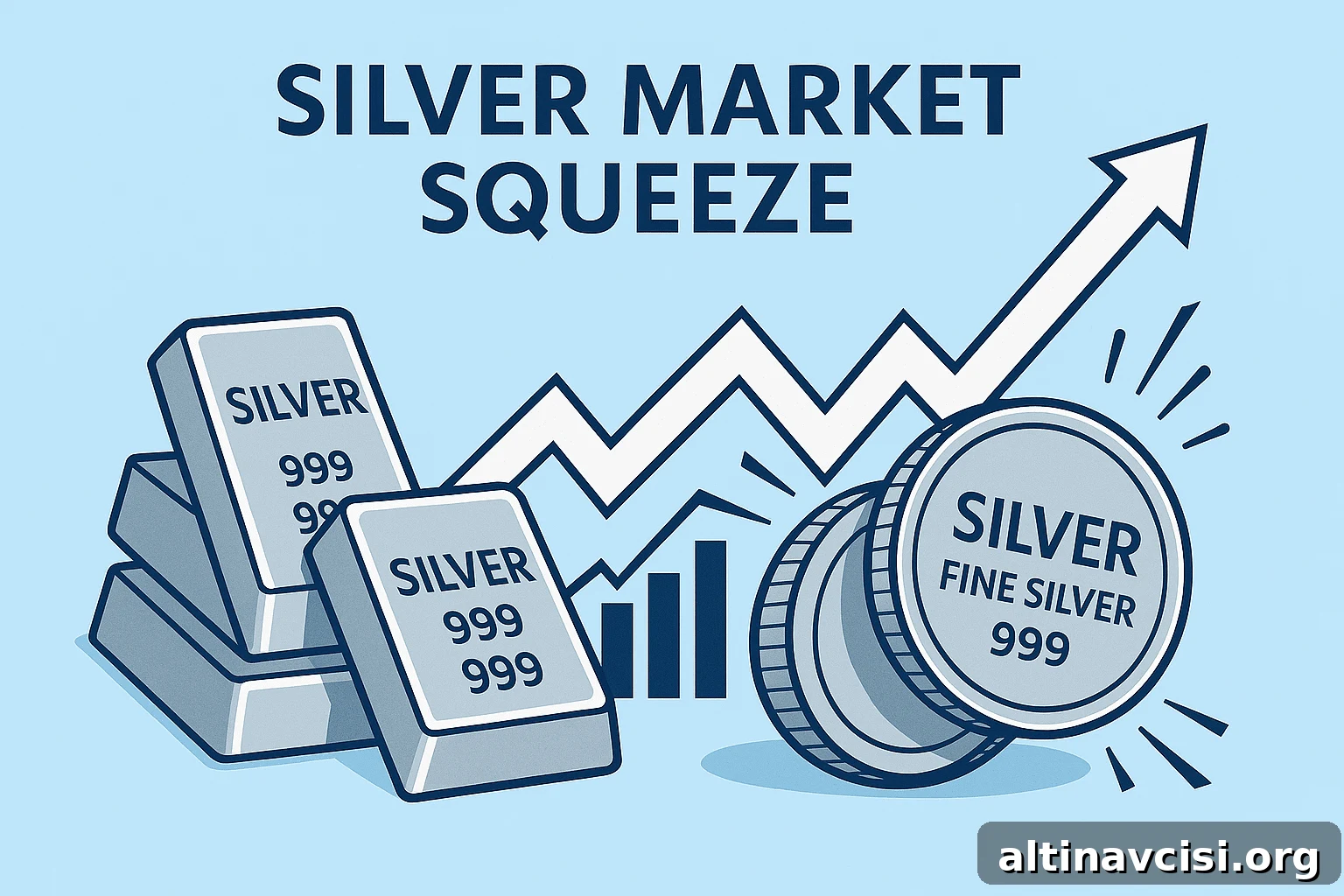
Silver Squeeze Sends Prices Near Record Highs
Silver surged above $51 per ounce this week, briefly surpassing its all-time high before pulling back as traders locked in gains. The move was driven by a historic squeeze in London’s physical market, where borrowing costs for silver spiked, signaling acute scarcity. That pressure pushed physical premiums higher and disrupted normal flows between London and New York.
Year-to-date, silver has climbed more than 70%, far outpacing gold as investors chase both safety and leveraged upside. Tight supply, tariff-driven shifts in shipments from London to New York, and concerns about fiscal instability all contributed to the rally. In an unusual twist, U.S. futures at times traded at a discount to spot prices, underscoring how dislocated markets can become when physical inventory tightens.
Episodes like this highlight the thin liquidity that can exist in precious metals markets and reinforce why many investors favor holding physical metal rather than relying solely on paper proxies. For those watching potential next moves, ongoing inventory data, lending rates, and delivery notices will be key signals to monitor.
Gold Eyes Eighth Weekly Advance on Safe-Haven Flows
Gold remains firm just below $4,000 per ounce and is poised for its eighth consecutive weekly advance, reflecting persistent demand for safe-haven assets. Despite a modest dip late in the week, spot gold rose roughly 2.2% over the period, while futures traded near $3,983. The metal hit an intraday record earlier in the week and is now up more than 50% year-to-date.
Driving the rally are familiar macro factors: sticky inflation, weak global growth, and renewed geopolitical tensions. Market expectations for upcoming Fed rate cuts have also supported gold’s momentum. As investors question central-bank commitments and fiscal sustainability, the appeal of hard assets continues to strengthen.
Dollar Slides Toward One of Its Worst Years on Record
The U.S. dollar has weakened significantly this year, down roughly 10–11% and on track for one of its weakest calendar-year performances since the late 1970s. Investors are reducing dollar exposures amid worries about rising fiscal deficits, political dysfunction, and growing pressure on the Federal Reserve to cut interest rates.
Shifts in policy rhetoric from Washington and persistent inflation concerns have eroded confidence in the dollar’s traditional safe-haven role. The fallout benefits gold and silver, which are absorbing capital moving out of fiat currencies. While a weaker dollar can boost U.S. export competitiveness, it also feeds higher commodity prices and inflationary pressures—dynamics that have helped propel precious-metal prices this year.
U.S. Finalizes $20B Currency Swap With Argentina
The U.S. and Argentina have agreed to a $20 billion currency swap, a move designed to stabilize the Argentine peso, rebuild reserves, and support dollar-denominated trade. The arrangement, brokered at the government level, will allow Argentina to use proceeds to repay IMF obligations and shore up domestic markets.
While the swap is intended to provide immediate stabilization, it also exposes the United States to currency risk if proposed reforms do not proceed as planned. Beyond bilateral effects, the deal illustrates how financial diplomacy is being used to counter other global influences and underscores how confidence in fiat currencies can shift rapidly amid fiscal experimentation and political uncertainty.
BLS Rushes to Release Inflation Data Despite Shutdown
The Bureau of Labor Statistics has begun recalling furloughed staff to complete the Consumer Price Index (CPI) release, which was delayed by the ongoing government shutdown. Although originally scheduled for mid-October, the CPI release may miss that date; officials expect it to be published in time for the Social Security cost-of-living adjustment before November 1.
Because the underlying data collection was largely finished before the shutdown, the primary issue has been processing and publication. In the absence of timely CPI figures, the Federal Reserve and market participants lack a key inflation input, so traders are increasingly relying on market-based indicators and inflation-sensitive assets like gold and silver to infer economic momentum.