
Key Takeaways
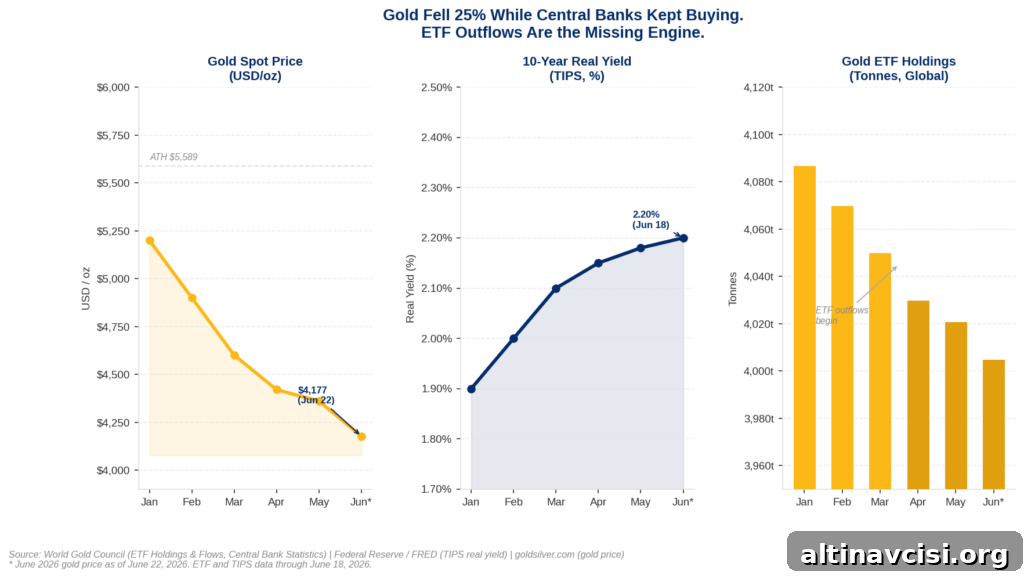
- Gold is trading at $4,177 per ounce today, roughly 25% below its January 2026 peak of $5,589, yet still about 28% higher than a year ago.
- Morgan Stanley retains an upside view for gold in the second half of 2026 and argues a $5,200 level is achievable, but this depends on a specific buyer group returning to the market.
- Bank of America’s June 2026 fund manager survey showed 58% of 198 managers, representing $540 billion AUM, expect stagflation. Institutional sentiment that gold was overvalued has diminished.
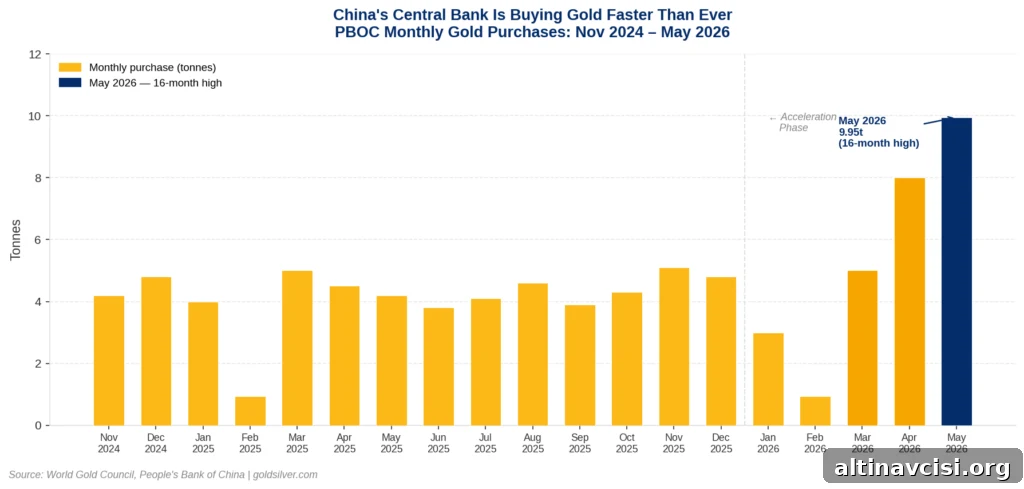
- The People’s Bank of China purchased nearly 10 tonnes of gold in May 2026, extending a buying streak to 19 consecutive months; global central bank buying also remained strong in early 2026.
- Historical episodes show gold can rise even during Fed tightening when rate hikes trigger growth concerns. Watch energy prices and real yields alongside Fed policy.
What Is Happening to the Gold Price Right Now?
Gold reached an all-time high of $5,589 per ounce in January 2026 and currently trades around $4,177. That decline has created two distinct investor reactions: some are worried about momentum and volatility, while others see longer-term structural forces still supporting the metal. The practical question is which of the three primary demand drivers for gold are active now and which are temporarily dormant.
Morgan Stanley’s commodities team recently summarized this dynamic: the structural case for gold remains intact through the second half of 2026. The firm’s $5,200 scenario is still feasible, but it hinges on Western ETF demand returning. That demand tends to respond more quickly to changes in real yields and Fed guidance than central bank or long-horizon buying.
Which Three Forces Drive Gold — and Which Two Are Already There?
The gold market is supported by three distinct demand engines, each operating on a different timeframe and responding to different signals:
Engine one: official sector buying. Central banks, sovereign wealth funds, and reserve managers buy for generational horizons. Their purchases continued at high levels through 2024–2026. Data reported in June 2026 showed substantial monthly buying by China’s central bank, and global central bank purchases were elevated in early 2026 according to industry reports. Many reserve managers plan to raise gold allocations further, which suggests strategic, long-term accumulation rather than short-term trading.
Engine two: stagflation expectations. A large share of surveyed institutional managers now cite stagflation—sluggish growth with persistent inflation—as their baseline outlook. That environment typically strengthens gold’s appeal because it undermines real returns on bonds and cash while boosting demand for non-yielding real assets as a store of value.
Engine three: Western ETF demand. This is the engine that has slowed. ETFs are popular with Western institutional and retail allocators whose opportunity cost is tied to yields on Treasury securities. When real yields rise, ETF flows toward gold tend to ebb. Morgan Stanley highlights this channel as the key to unlocking the next leg higher for gold if it reverses.
Why Have Gold ETFs Stopped Buying?
ETF flows have weakened because higher real yields increase the opportunity cost of holding gold, which does not pay interest. As the Federal Reserve signalled further tightening in mid‑June 2026, expectations of higher-for-longer rates pushed nominal and real yields higher, prompting some ETF investors to trim positions. This cycle is reversible: if real yields fall—driven by lower inflation expectations or a reduction in nominal yields—ETF demand can return and provide a meaningful price tailwind.
The Knowledge That Changes Everything
Two essential guides—free: one on buying gold, the other on the long-term dynamics of fiat money and purchasing power.
What Changes the Math for Gold ETFs?
Morgan Stanley highlights Middle East de‑escalation as an important, somewhat unexpected structural tailwind for ETF demand. Earlier supply shocks and higher oil prices pressured importers and prompted some central banks to sell gold to defend currencies. As tensions ease and energy prices soften, that selling pressure can reverse. Lower energy-driven inflation readings would reduce the likelihood of further Fed tightening, ease real yields, and improve the relative return case for gold ETFs. In short, softer oil and easing inflation should lower the opportunity cost of holding gold and help restart ETF flows.
Does a Hawkish Fed Automatically Mean Lower Gold Prices?
Not always. While higher rates and rising real yields can pressure gold, history shows the relationship is nuanced. After a typical 25 basis point hike, gold has on average moved modestly higher in the following month. More importantly, in specific tightening episodes—when rate increases sparked growth worries or financial stress—gold has rallied. When hikes threaten growth or fail to reassure markets about long-term purchasing power, investors often turn to tangible assets like gold. The deciding factor is whether rate moves create genuine growth risk or successfully and credibly lower inflation without broader economic consequences.
What Does This Mean for the Individual Gold Investor?
For long-term holders, the key takeaway is that two structural engines—official sector buying and stagflation-related demand—remain active and substantial. Central banks buy with decades-long horizons and are unlikely to reverse course over a single Fed cycle. Fund managers expecting stagflation tend to favor real assets over short-term financial bets. The short-term engine—Western ETF demand—is cyclical and rate-sensitive; it can return quickly if real yields fall or inflation expectations moderate. Thus, the current correction appears to be a cyclical drawdown layered on top of a deeper structural floor supported by long-horizon buyers. For investors focused on long-term monetary protection, that structural support matters more than quarterly ETF flows.
Stay On Top of Gold & Silver Prices
Get important market alerts sent straight to your inbox.
Subscribe for timely updates and price alerts.
People Also Ask
Why is gold falling when inflation is still high?
Short-term gold prices are influenced by elevated real yields. Real yields—returns on inflation-protected Treasuries adjusted for inflation—raise the cost of holding an asset that pays no interest. A hawkish Fed outlook lifted real yields in mid‑2026, prompting ETF investors to reduce exposure. That cyclical dynamic sits atop structural buying from central banks and long-horizon investors, which has remained robust.
What does Morgan Stanley’s $5,200 gold price target depend on?
Their scenario depends on Western ETF demand returning. ETF flows are sensitive to the Fed’s rate path, real yields, and the dollar. Evidence that inflation is cooling—particularly via lower energy prices—would reduce the perceived need for further hikes, lower real yields, and improve the opportunity cost for ETF holders, helping restart ETF buying.
Is 58% of institutional managers expecting stagflation significant for gold?
Yes. Stagflation—weak growth paired with persistent inflation—creates a favorable backdrop for gold because it undermines returns on conventional fixed income and erodes cash purchasing power. Institutional concern about stagflation tends to increase allocations to real assets like gold.
Why has the People’s Bank of China been buying gold for 19 consecutive months?
China’s sustained purchases reflect strategic reserve management. Central banks value gold for safety, liquidity, and diversification away from dollar-denominated assets. The consistency of purchases through price weakness suggests a deliberate, long-term policy rather than short-term price speculation.
Does a hawkish Fed automatically mean lower gold prices?
Not automatically. While rising rates can pressure gold through higher real yields, episodes exist where rate increases prompted growth concerns and financial stress, driving investors toward gold. The net effect depends on whether tightening produces genuine growth risk or successfully contains inflation without broader market disruption.
What is the difference between gold ETFs and physical gold for long-term investors?
Gold ETFs offer convenient price exposure but typically do not confer legal title to specific metal for the holder. Physical gold—allocated and segregated bars or coins—provides direct ownership and removes counterparty risk. ETF flows can shift rapidly with quarterly portfolio reviews; physical ownership is a different proposition for those seeking a long-term hedge against purchasing power erosion.
SOURCES
1. Investing.com / Yahoo Finance — Coverage of Morgan Stanley research
2. Crypto Briefing — Bank of America fund manager survey analysis
3. TradingView / MaceNews — BofA Global Research Fund Manager Survey (June 5–11, 2026)
4. Bloomberg — Coverage of China central bank gold purchases (June 2026)
5. World Gold Council — Central bank gold statistics and demand trends (Q1 2026)
6. Federal Reserve Bank of St. Louis (FRED) — 10‑Year TIPS real yield data
7. Morgan Stanley Research — Analysis of gold’s safe‑haven status and market dynamics
Disclaimer: This article is informational only and does not constitute financial or investment advice. Consult a qualified financial adviser before making investment decisions.
You may also like:
- Solar Cut 19% Silver. The Deficit Widened Anyway.
- Gold Down 26%. Barclays’ $4,791 Target Never Moved.
- Gold Silver Ratio at 64: What It Signals for Silver in 2026
- How Central Banks Decide How Much Gold to Hold
- How Much Does Gold Storage Cost? The $72-a-Year Answer
- Silver Price Outlook June 2026: The Correction Was the Setup
- Wall Street’s $6,000 gold call rests on data most investors never see
- Silver Eagle vs. Maple Leaf vs. Britannia: Which Gives You More Silver?