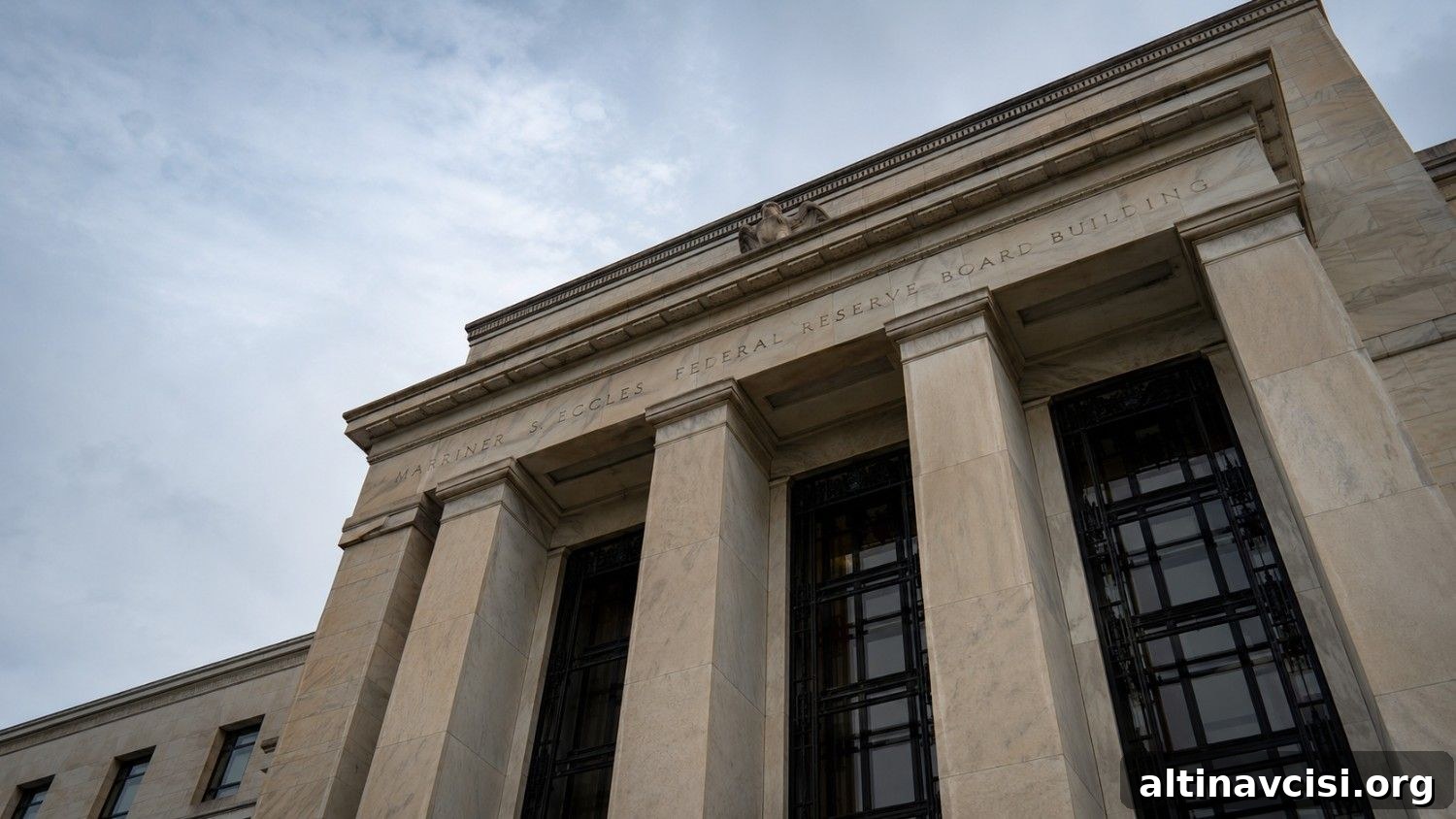
Key Takeaways
- June nonfarm payrolls rose by just 57,000, far below the 115,000 consensus estimate, and April and May payrolls were revised down by a combined 74,000 jobs.
- CME FedWatch odds of the Federal Reserve holding at the July 29 meeting increased from roughly 70% to about 78% after the report, reducing implied odds of an imminent rate hike to around 22%.
- As of July 3, 2026, gold traded near $4,174.42 (+1.23%) and silver near $62.22 (+1.97%), putting both metals on track for their first weekly gain since late May.
- Lower odds of further rate hikes compress expected real yields, reducing the opportunity cost of holding gold. This is the principal link between a weaker jobs report and rising bullion prices.
- Key upcoming data and events: June CPI on July 14, the FOMC decision on July 29, and June PCE on July 30.
Gold rallied to a three-week high on July 3, 2026, after the U.S. June jobs report surprised to the downside. Nonfarm payrolls increased by only 57,000, well under the 115,000 figure many economists had expected. The softer-than-expected readings and significant downward revisions to prior months quickly altered market expectations for Federal Reserve policy, and bullion responded accordingly.
By July 3, spot gold was trading near $4,174 per ounce, up about 1.2% on the day, while silver rose roughly 2.0% to around $62. Both metals were positioned for their first weekly advance since late May as investors adjusted to the new outlook for interest rates and real yields.
Source: price charts and market data
Why Did the Jobs Report Move Gold Prices?
The Federal Reserve left its policy rate unchanged on June 17 at 3.50%–3.75%, and committee projections had grown noticeably hawkish at that meeting. In the weeks following, markets priced in a meaningful chance of another rate increase. The June employment report changed that dynamic.
The Bureau of Labor Statistics’ report showed nonfarm payrolls increased by only 57,000 in June. At the same time, April and May were revised lower by a combined 74,000 jobs, weakening the recent trend in payroll gains. Although the headline unemployment rate ticked down to 4.2% from 4.3%, the decline reflected a lower labor force participation rate — which fell to 61.5%, the weakest reading since March 2021 — rather than a significant rise in household employment. In fact, the household survey indicated roughly 507,000 fewer people reported being employed than in the prior month.
This mix — a soft headline number, sizable downward revisions, and a shrinking labor force — quickly pushed traders to price a more patient Fed. When expectations for future policy ease, real yields tend to fall, and that reduces the opportunity cost of holding non-yielding assets like gold and silver. That channel explains why one employment report can prompt a sharp bullion response.
What Happened to Fed Rate Hike Odds After the Report?
Market-implied probabilities shifted quickly after the payrolls data. Shortly before the release, CME Group’s FedWatch tool implied roughly a 70% chance the Fed would hold rates at its July 29 meeting. After the report, the probability of a hold rose to about 78%, while the implied chance of a July hike fell to around 22%. Sentiment for September also adjusted lower.
The dollar softened in response, with the dollar index pulling back from roughly 101.4 to about 100.8, marking its first weekly decline in three weeks. Traders interpreted the weaker jobs print and downward revisions as evidence the labor market no longer leaves the Fed compelled to tighten immediately. That prospect of policy patience compresses expected real yields and, in turn, supports precious metals.
Several analysts noted that the report lessened the near-term case for additional Fed tightening. Job growth remains positive enough to prevent a sharp rise in unemployment, yet the data did not show persistent wage pressures that would force the Fed’s hand. Fed leadership has emphasized monitoring a range of indicators, and incoming data — especially inflation measures — will determine the next steps.
What Does This Mean for the Structural Case for Gold and Silver?
Beyond near-term market moves, the structural case for precious metals remains intact. The Fed’s preferred trimmed-mean inflation gauge has run above target for an extended period, and policymakers face a difficult balance: inflation is still elevated, but the labor market shows signs of cooling. Gold and silver operate outside the Fed’s immediate deliberations; their appeal often rests on long-term purchasing power considerations and supply-demand dynamics.
Physical holdings are not subject to the revision risk that accompanies government employment surveys. Strategic buyers — including central banks and industrial consumers — continue to influence demand. For example, some sovereign buyers have been adding to reserves consistently, and silver supply fundamentals continue to attract attention. Those structural factors existed before the July jobs print and remain relevant now.
Importantly, what mattered most for markets was the speed and size of the shift in policy expectations after one piece of data. A single payrolls release that also revises prior months lower can meaningfully reprice near-term Fed expectations, and that repricing is transmitted to gold and silver via changes in real yield expectations and currency movements.
What Should Gold Investors Watch Before July 29?
Investors should focus on three upcoming releases. First, the June Consumer Price Index on July 14 will be a key inflation read; a cooler-than-expected print would further dampen near-term rate-hike odds, while hotter inflation could reverse some of the recent market calm. Second, the Federal Open Market Committee meets on July 29, when the statement and the chair’s press conference will be closely parsed for changes in forward guidance. Third, the June Personal Consumption Expenditures (PCE) data on July 30 provides another important inflation gauge the Fed watches.
On the technical side, some market strategists have identified near-term resistance for gold in the area of $4,250 per ounce. Continued weakness in real yields or additional supportive flows into physical markets could test that level, while a stronger inflation read or renewed hawkish Fed signals would likely cap upside.
The Edge Every Investor Needs
Smarter precious metals investing starts here. The Nuggets Newsletter delivers market insights, Fed updates, global trends and educational content to help you stay informed.
Subscribe for timely market updates and price alerts.
Stay On Top of Gold & Silver Prices
Receive important market alerts delivered to your inbox.
Gold: $4,174 • Silver: $62 (approx.)
Sign up for alerts and analysis.
SOURCES
1. Bureau of Labor Statistics — Employment Situation, June 2026
2. CME Group — FedWatch Tool
3. Federal Reserve — FOMC statement and projections, June 17, 2026
4. Major financial news and market research reports covering the June 2026 jobs release and precious metals markets
Disclaimer: This article is informational only and does not constitute financial or investment advice. Consult a qualified advisor before making investment decisions.
You May Also Like:
- The Jobs Report Missed. The Unemployment Rate Fell Anyway. Gold Didn’t Buy It.
- Gold Jumps as Rate-Hike Bets Unwind Ahead of Jobs Report
- Fed Remarks and Inflation Signals: How Markets Are Reacting
- Why Employment Revisions Matter for Markets