Key Takeaways
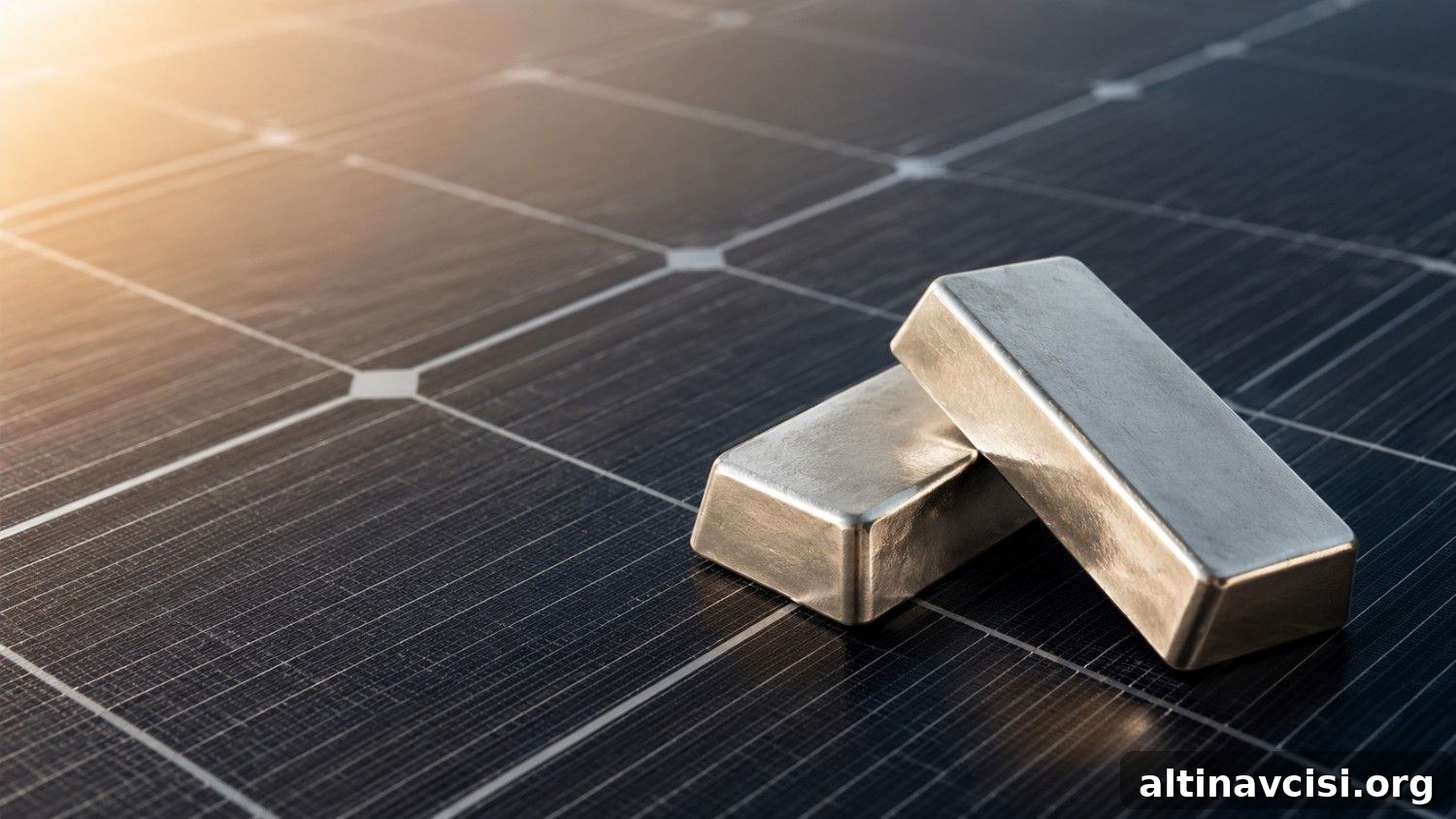
- Solar PV silver demand fell 19% in 2026 to roughly 151 million ounces — the largest single-year reduction on record (World Silver Survey 2026)
- Despite that reduction, the global silver market is heading for its sixth consecutive annual supply deficit, widening to 46.3 million ounces from 40.3 million in 2025
- The deficit is widening because supply is contracting faster than demand — both sides of the ledger are shrinking; the gap is growing
- 762.1 million ounces have been drawn from above-ground stocks since 2021 — confirmed on page 17 of the World Silver Survey 2026
- Solar’s reduction is thrifting (using less silver per cell), not substitution (replacing silver with copper). They are different mechanisms
- Copper substitution in the dominant TOPCon cell architecture faces unresolved reliability issues; mass adoption is estimated at 2028–2030
- Three structurally growing demand pools are partially replacing solar’s volume loss: electric vehicles, AI data centres, and grid infrastructure
- Roughly three-quarters of silver is mined as a byproduct of base metals — supply cannot rapidly respond to silver-specific price signals
Solar photovoltaic manufacturers reduced silver consumption by 19% in 2026, to roughly 151 million ounces. Despite that reduction, the global silver market is heading for its sixth consecutive annual supply deficit of 46.3 million ounces — wider than the year before. The deficit is expanding because mine supply is contracting faster than industrial demand is falling.
Is Solar’s Silver Cutback Breaking the Silver Thesis?
Solar panel manufacturers are systematically reducing how much silver goes into each cell. In 2026, they cut their collective silver consumption by an estimated 19%. That brought demand down from about 186.6 million ounces in 2025 to roughly 151 million ounces in 2026, according to the World Silver Survey 2026.
A question circulating among investors and analysts is whether the aggressive reduction by solar — historically silver’s largest industrial customer — undermines the structural case for silver. The short answer is no. To assess the situation properly, it helps to distinguish between two different processes: thrifting and substitution. 2026 is a thrifting year, not a substitution year.
The Knowledge That Changes Everything

Two essential guides — yours free. Understand why gold matters and why fiat currencies always fail.
What Is Silver Industrial Demand, and Why Does It Matter?
Silver industrial demand includes consumption in manufacturing applications such as solar cells, electric vehicles, data centres, electronics, and grid infrastructure. It represents roughly 59% of total global silver demand. This category is particularly sensitive to price: when silver prices rise, industrial buyers reduce silver use per unit. That response reflects normal economic behavior and does not necessarily mean the metal is being permanently replaced.
In 2026, total global silver demand is projected to fall by about 2% to roughly 1.11 billion ounces while supply is also expected to decline by around 2%. When both supply and demand contract at similar rates, the market balance does not improve and the annual deficit can widen.
Why Is the Sixth Consecutive Silver Deficit Getting Worse, Not Better?
The sixth consecutive supply deficit is forecast at 46.3 million ounces in 2026, up from 40.3 million ounces in 2025. This occurs because supply is constrained structurally. About three-quarters of global silver is recovered as a byproduct of copper, lead and zinc mining, so silver output is tied to base metal economics rather than silver prices alone. Primary silver mines are uncommon and take years to develop, which limits the speed at which supply can grow in response to market signals.
The supply improvements seen in 2025 — higher mine production and record recycling — are easing in 2026, causing supply to contract. Since 2021 the market has drawn down a cumulative 762.1 million ounces from above-ground stocks to cover annual deficits. That cumulative drawdown approaches a full year of global mine output and is unprecedented in recent history.
Annual deficit (million troy ounces)
Cumulative drawdown from above-ground stocks
What Is Solar Silver Thrifting, and Is It the Same as Substitution?
Thrifting means using less silver per unit of production: thinner silver paste layers, tighter printing tolerances, and more efficient cell designs. Substitution means replacing silver with a different material entirely. The 2026 reduction in solar silver use is primarily thrifting — a rational cost response to higher silver prices — not widespread substitution.
Silver paste represented a substantial portion of cell manufacturing input costs. With silver averaging significantly higher in 2025, manufacturers had a clear incentive to economize. That explains the fall in PV silver demand, but it does not indicate that silver has been permanently engineered out of panels.
Can Copper Replace Silver in Solar Cells?
Copper substitution represents the genuine long-term bear case for solar silver demand. Some companies are advancing copper-paste technologies and limited silver-free cells exist in certain markets. However, the dominant TOPCon cell architecture used in mass production operates at high temperatures and voltages where copper pastes face durability and oxidation challenges that can reduce long-term reliability and efficiency.
Industry analysts expect meaningful copper substitution in TOPCon to occur later, around 2028–2030, not immediately. Until then, silver remains integral to most commercially produced solar cells.
What Is Driving Silver Industrial Demand as Solar Pulls Back?
The roughly 36 million ounces that left solar demand in 2026 are being partly offset by growth in three structural demand pools:
Electric vehicles. Battery electric vehicles use more silver than internal combustion vehicles because of battery management systems, power electronics, charging hardware and electrical contacts. Estimates place silver per EV at roughly 25–50 grams, compared to 15–28 grams for a petrol car. Continued EV adoption translates into sustained structural demand for silver in the automotive sector.
AI infrastructure and data centres. Data centres and AI compute facilities demand high reliability in power and thermal management. Silver is the best electrical conductor and an excellent thermal conductor, so it is widely used in switchgear, power distribution units and critical contact systems. The rapid expansion of IT power infrastructure directly increases demand for silver-intensive components.
Grid infrastructure. Upgrades to power grids to support renewables, EV charging networks and large data centres are silver-intensive. Transformers, switchgear and high-speed transmission hardware use silver in contact points where conductivity and reliability are essential. Multi-decade highs in grid investment in major markets contribute to this structural demand.
What Does the Silver Supply Deficit Mean for Investors?
Silver’s spot price has corrected from an all-time high earlier in the year. That correction reflected macro factors and perceptions about solar thrifting. But the data suggests the structural case for silver remains intact: a market in its sixth consecutive annual deficit, with large cumulative drawdowns from above-ground stocks and several growing industrial demand pools. Physical liquidity has been tight, and available unencumbered silver inventories reached historically low levels in recent periods.
Understanding the mechanisms at work — the difference between thrifting and substitution, the distinction between annual deficit and cumulative drawdown, and the limited responsiveness of byproduct supply to price — helps separate short-term market noise from longer-term structural dynamics. This article is informational and does not constitute investment advice.
Stay On Top of Gold & Silver Prices
Get important market alerts sent straight to your inbox.
People Also Ask
Is silver industrial demand falling in 2026?
Total silver industrial fabrication is forecast to decline by roughly 3% in 2026 to a multi-year low of around 650 million ounces, led by reductions in the solar photovoltaic sector where manufacturers are using less silver per cell. Other applications, including electric vehicles, data centres and grid infrastructure, continue to grow and partially offset the PV decline.
What is thrifting in silver demand?
Thrifting is the practice of reducing the amount of silver used per manufactured unit as prices rise. In solar, that typically means thinner silver paste layers and more efficient printing. Thrifting reduces silver intensity but does not replace the metal entirely; substitution would mean replacing silver with an alternative material.
Why is the silver supply deficit widening even as demand falls?
The deficit widens because supply is contracting alongside demand. The supply gains seen in 2025 from higher mine production and record recycling are easing in 2026. Since about 75% of silver supply is a byproduct of base-metal mining, output cannot quickly increase in response to silver-specific price signals. When both supply and demand fall at similar rates, the annual shortfall can persist or grow.
How much silver does an electric vehicle use compared to a petrol car?
Estimates indicate a conventional internal combustion vehicle uses roughly 15–28 grams of silver, while a battery electric vehicle uses about 25–50 grams. That represents a significant increase in silver intensity per vehicle for EVs, driven by battery management systems, power electronics and charging components.
Can copper replace silver in solar panels?
Copper substitution is technically possible in some cell designs, and some manufacturers are trialing copper-based pastes. However, the dominant TOPCon architecture used in mass production presents thermal and reliability challenges for copper that are unresolved at scale. Analysts expect meaningful substitution in TOPCon to arrive later, not immediately.
What is the cumulative silver supply deficit since 2021?
Since 2021 the market has drawn down roughly 762.1 million ounces from above-ground stocks to cover consecutive annual deficits. That cumulative drawdown is substantial relative to annual mine output and contributes to tighter physical liquidity.
SOURCES
World Silver Survey 2026 (Silver Institute / Metals Focus) and related industry reports and market analysis.
Disclaimer: This article is for informational purposes only and does not constitute financial or investment advice. Consult a qualified financial adviser before making investment decisions.
You may also like:
- Gold Down 26%. Barclays’ $4,791 Target Never Moved.
- Gold Silver Ratio at 64: What It Signals for Silver in 2026
- How Central Banks Decide How Much Gold to Hold
- How Much Does Gold Storage Cost? The $72-a-Year Answer
- Silver Price Outlook June 2026: The Correction Was the Setup
- Wall Street’s $6,000 gold call rests on data most investors never see
- Silver Eagle vs. Maple Leaf vs. Britannia: Which Gives You More Silver?
- Gold Price Outlook June 2026: What CPI and the Fed Mean