Key developments in the basic materials sector reveal a mix of outcomes across firms and regions, reflecting both operational setbacks and pockets of resilience.
Orla Mining disclosed a weaker-than-expected fourth-quarter gold output of 26,500 ounces, about 15% below consensus. The shortfall stemmed in part from approximately 4,100 ounces remaining in refined inventory at quarter-end, which reduced shipments and reported production for the period.
Antofagasta announced capital expenditure guidance of $3.9 billion for 2025, a figure that came in roughly 11% higher than analysts had forecast. The increased spending plan underscores the company’s focus on sustaining and expanding long-term copper production capacity amid a complex price and demand backdrop.
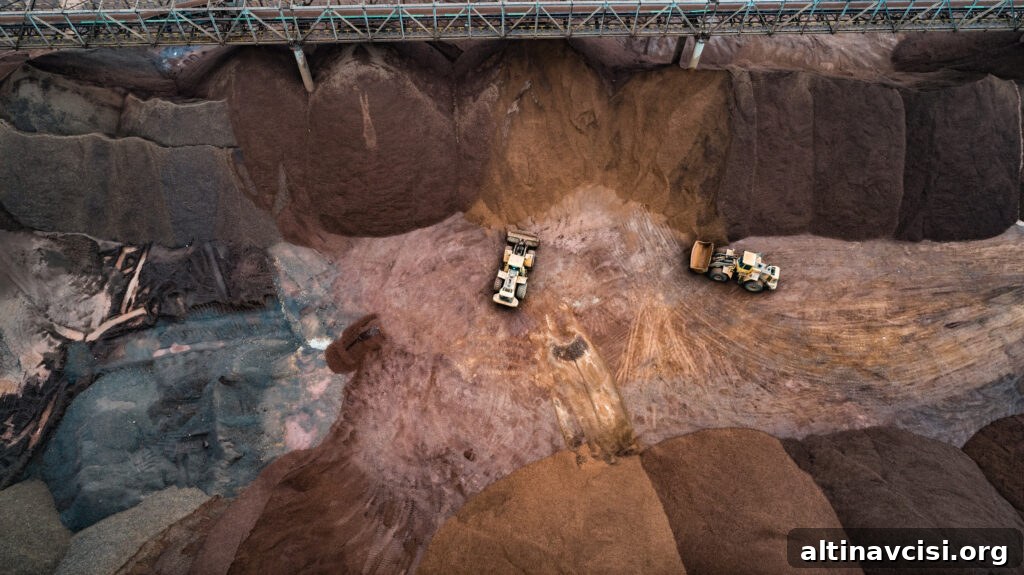
Rio Tinto reported robust copper volumes, driven by strong performance at major operations including Escondida and Oyu Tolgoi. Iron-ore output remained broadly steady, though the company noted an increasing proportion of lower-grade SP10 ore in the product mix, which could pressure realized grades and unit costs if the trend persists.
Across the sector, companies highlighted an uneven macroeconomic picture. Inflation appears to be moderating in many regions and demand has shown surprising resilience, but ongoing geopolitical tensions, labor shortages in key mining hubs, and continued strain in China’s property market present near-term risks. At the same time, the United States economy has demonstrated relative stability, helping underpin commodity demand from one of the world’s largest consumers.