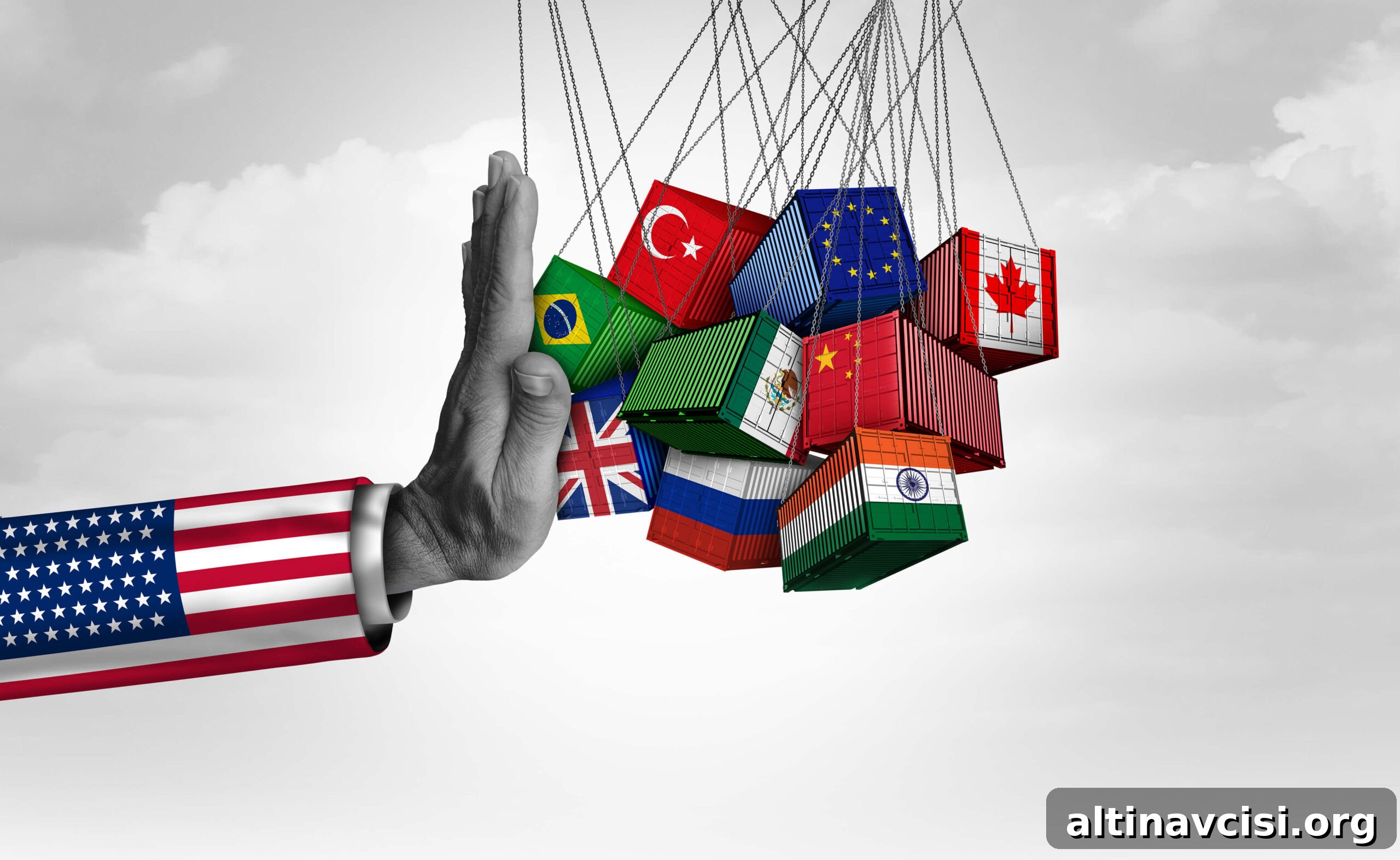
Tensions have increased between Brazil and the United States after U.S. President Donald Trump announced a 50% tariff on Brazilian imports scheduled to take effect on August 1. Brazilian President Luiz Inácio Lula da Silva has pledged to respond with proportional countermeasures under a recently enacted law that allows retaliatory economic actions against foreign measures.
Trump’s announcement cited economic complaints and political motives, including criticism of Brazil’s legal actions toward former President Jair Bolsonaro, who is seen as an ally of Trump. In a letter to President Lula, Trump accused Brazil of restricting free speech and interfering with digital trade. Those assertions contrast with U.S. trade figures showing a U.S. goods surplus of $7.4 billion with Brazil. After the tariff announcement, the Brazilian real weakened, falling by more than 2% against the U.S. dollar.
Both capitals are now facing pressure to manage the dispute through diplomatic channels and trade negotiations to avoid escalation. The announced tariffs would affect a range of Brazilian exports, potentially disrupting business ties and supply chains between the two countries. Brazilian authorities have signaled they will assess the economic impact and consider measures that match the scale of the U.S. action while seeking to protect domestic industries and exporters.
Observers say the dispute combines trade policy with political tensions, making a negotiated settlement more complex. U.S. officials have emphasized national economic interests and concerns about digital commerce and regulatory practices, while Brazilian leaders have framed their response as defending sovereignty and fair treatment of Brazilian companies. The currency reaction reflects short-term investor concern, though analysts note that further movements will depend on follow-up measures, the specifics of any implemented tariffs, and whether either government pursues exemptions or phased implementation.
As the August 1 date approaches, businesses that trade between the two countries are monitoring developments closely. Importers and exporters may face higher costs, altered market access, and the need to reevaluate contracts, sourcing strategies, and pricing. Companies with exposure to affected sectors are reviewing contingency plans, while industry groups and trade associations could lobby for relief or exemptions. Financial markets and commodity prices tied to Brazil’s exports may also experience volatility if the dispute persists or expands.
Diplomatic efforts are likely to intensify in the coming weeks as both governments weigh economic and political consequences. Potential pathways to de-escalation include negotiations to narrow the scope of tariffs, targeted exemptions, or reciprocal concessions on other trade issues. However, if both sides adhere strictly to retaliatory measures, the dispute could produce longer-term frictions that affect bilateral investment and cooperation on broader regional and global issues.
In the meantime, stakeholders on both sides will be watching official statements, parliamentary or congressional actions, and any legal challenges that might arise under international trade rules. The outcome will depend on the willingness of leaders in Washington and Brasília to find a compromise that balances domestic political priorities with the economic costs of sustained trade tensions.