
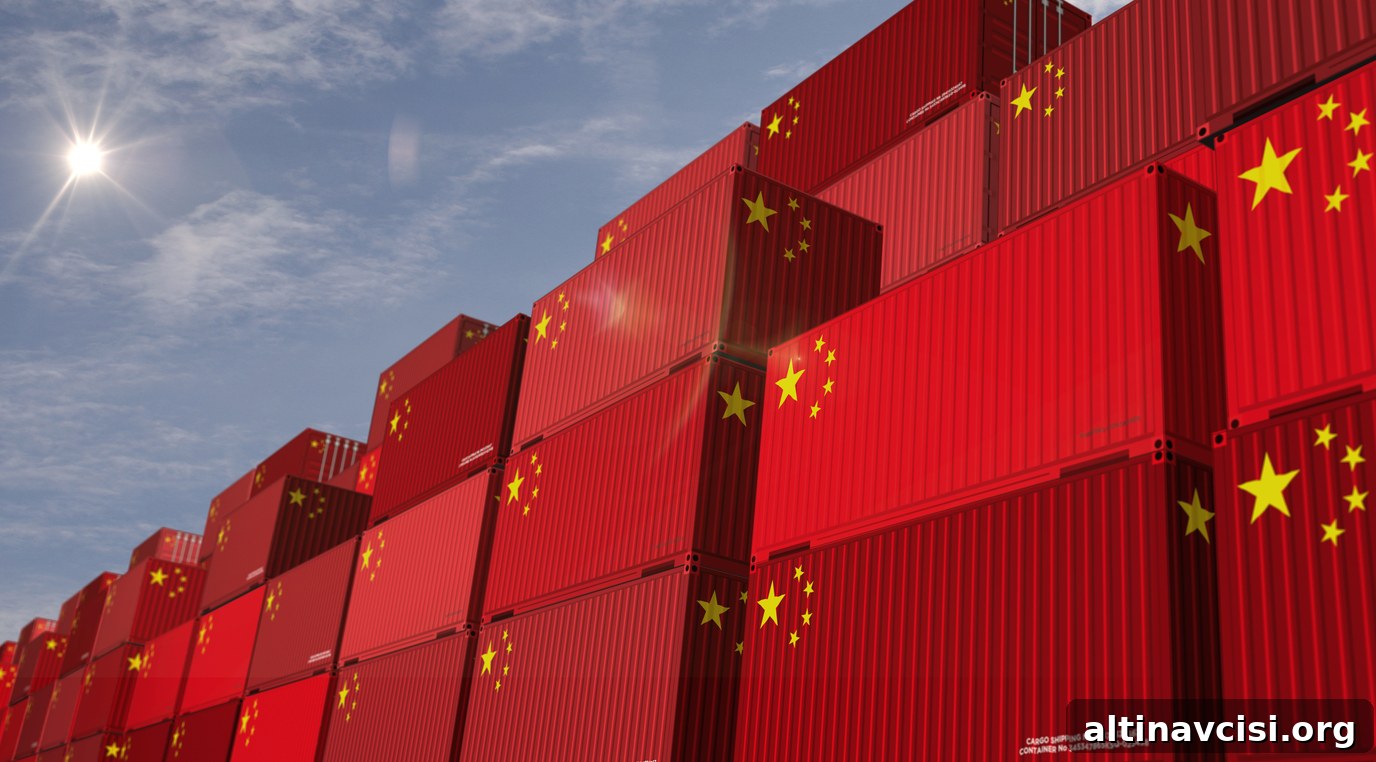
President Trump has announced a substantial reduction in tariffs on Chinese goods, signaling a move away from his earlier hardline stance as concerns over an escalating trade war mounted.
“Tariffs will come down substantially,” Trump said, expressing optimism about the prospect of reaching a trade agreement with China.
This change in approach follows a period of heightened trade tensions that provoked significant retaliation from China. The announcement helped calm financial markets and raised hopes that one of the most intense recent trade confrontations might begin to de-escalate.
Analysts note that lowering tariffs could ease pressure on global supply chains and reduce costs for importers and consumers. Companies exposed to tariffs had faced rising expenses and uncertainty, and the prospect of lower duties may prompt renewed investment and hiring plans in affected sectors.
While details about the timing and scope of the tariff reductions were not immediately available, observers expect phased rollbacks tied to progress in negotiations. Any agreement would likely involve a series of reciprocal steps designed to address long-standing issues such as intellectual property protection, market access, and industrial subsidies.
Market responses were swift: stock indexes rallied and currency markets stabilized after the announcement, reflecting investor relief. Still, economists caution that the path to a comprehensive deal remains complex and could require sustained diplomacy and enforceable commitments from both sides.
For policymakers, the shift underscores the balance between using tariffs as leverage and managing the domestic economic consequences of prolonged trade disputes. Industries that had lobbied for relief—from agriculture to technology—may welcome reduced duties, but they will also watch closely for concrete measures that ensure long-term, enforceable changes in trade practices.
Critics of the earlier tariff strategy argue that broad duties can have unintended consequences, including higher consumer prices and strained international relationships. Supporters maintain that tariffs can be effective negotiation tools when paired with clear objectives and credible enforcement mechanisms.
As negotiations continue, businesses and consumers will be monitoring developments for clarity on when tariff reductions will take effect and which product categories will be affected. The outcome will influence global trade dynamics and could set the tone for future economic engagement between the United States and China.
In the coming weeks, officials are expected to provide more detailed updates on negotiation milestones and any planned adjustments to tariff schedules. Until then, markets and stakeholders will remain attentive to statements from both governments as they assess the prospect of a durable agreement and the implications for international commerce.