
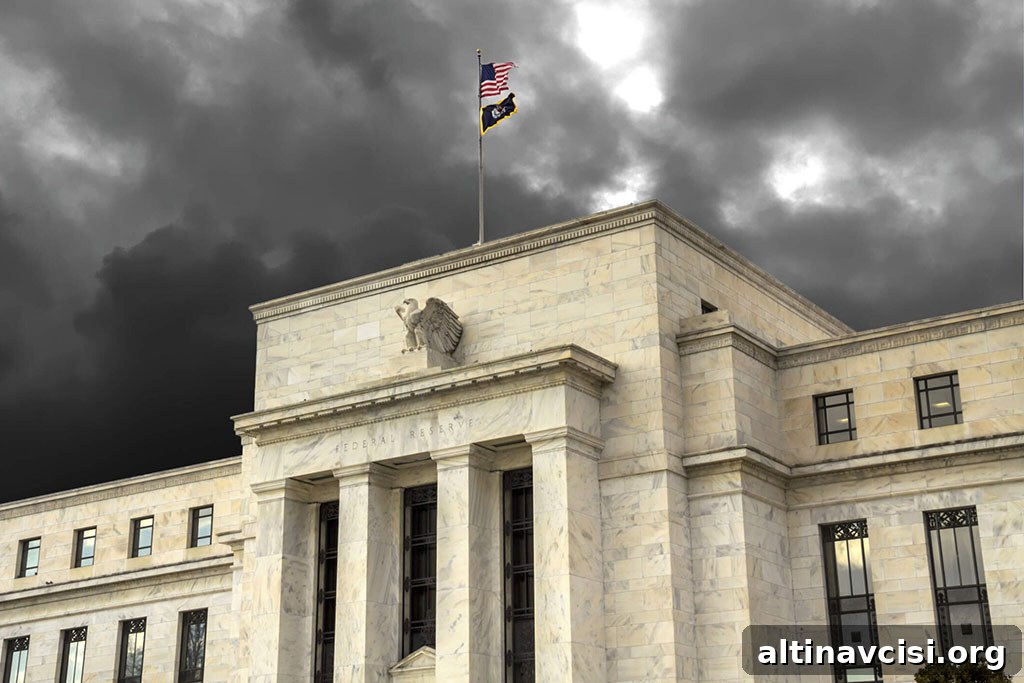
Gold Retreats After Trump-Fed Showdown
Gold eased back on Tuesday, trading near $3,340 per ounce after a spike on Monday that pushed prices briefly to about $3,370. The surge followed President Trump’s move to remove Federal Reserve Governor Lisa Cook, prompting a rush to safe-haven assets. Cook, one of the Fed’s three sitting governors, has been a noted defender of central bank independence. As the initial panic subsides, investors are weighing whether this political drama will actually alter monetary policy or simply represent another episode of Washington theatrics.
Markets react when politicians intervene with the Fed. Any visible erosion of central bank independence raises concerns about higher inflation over time, a scenario that typically supports stronger demand for gold as an inflation hedge.
Trump Doubles Down on India Tariffs
The White House has raised tariffs on Indian imports to 50% in response to New Delhi’s continued purchases of Russian oil. The measures affect roughly $75 billion in annual trade and span sectors from textiles to pharmaceuticals. India has threatened retaliatory tariffs that could target billions in U.S. exports, including aerospace components, agricultural goods, and chemicals. Prime Minister Modi described the tariffs as “deeply concerning,” warning they could reverse years of progress in U.S.-India relations.
The trade dispute matters for gold markets. India is a major U.S. trading partner and one of the world’s largest consumers of gold. Trade tensions and currency weakness usually drive investors toward gold for protection, so escalation could translate into stronger Indian demand and upward pressure on global gold prices.
Vietnamese Government Opens its Gold Market
Vietnam plans to end decades of state monopoly over gold production and allow private and foreign companies into the market. The reforms are intended to attract investment, improve transparency, and curb smuggling that has long undermined the sector. Currently, the state-run Saigon Jewelry Company (SJC) controls official gold bar production, while an estimated $2–3 billion black market operates alongside it. Starting in early 2026, licensed private firms will be permitted to produce and trade gold bars for the first time.
Vietnam’s gold market has deep cultural and economic importance. Gold plays a central role in weddings, savings and wealth preservation. Opening the market could change how gold flows across Asia and may have ripple effects on global supply and pricing.
How Fed Drama Could Fuel a Precious Metals Run
The Fed controversy has lifted both gold and silver this week. Silver reached nearly $42 per ounce, a more-than-decade high, while gold briefly exceeded $3,370 before consolidating. Analysts note that efforts to remove a Fed governor have revived concerns about central bank independence and prompted comparisons to past periods of political interference. Trading volumes in gold futures rose sharply, underscoring heightened investor attention. All eyes are now on upcoming inflation readings, including the PCE report, which could shape expectations for future rate moves.
What traders fear: political meddling that could undermine monetary credibility, potentially reviving inflationary expectations. In that environment, precious metals often become the preferred hedge, explaining part of the recent market reaction.
Old Solar Panels Become Silver Goldmines
A new recycling process can recover up to 98% of the silver contained in decommissioned solar panels, turning a growing waste stream into a significant source of the metal. Each standard solar panel contains roughly 20 grams of silver in its conductive paste; that silver is currently worth about $15 per panel and often ends up discarded. With projections of tens of millions of tons of solar waste by mid-century, efficient recycling could unlock a large secondary supply of silver worth potentially billions. The new method combines thermal and chemical treatments and is reportedly cheaper and cleaner than many existing techniques.
Recycling solar panels could reshape silver supply dynamics. The influx of recycled silver might put downward pressure on prices over the long term unless industrial and technological demand grows at a similar pace. This development highlights how one industry’s waste stream can become an important supply source for another.