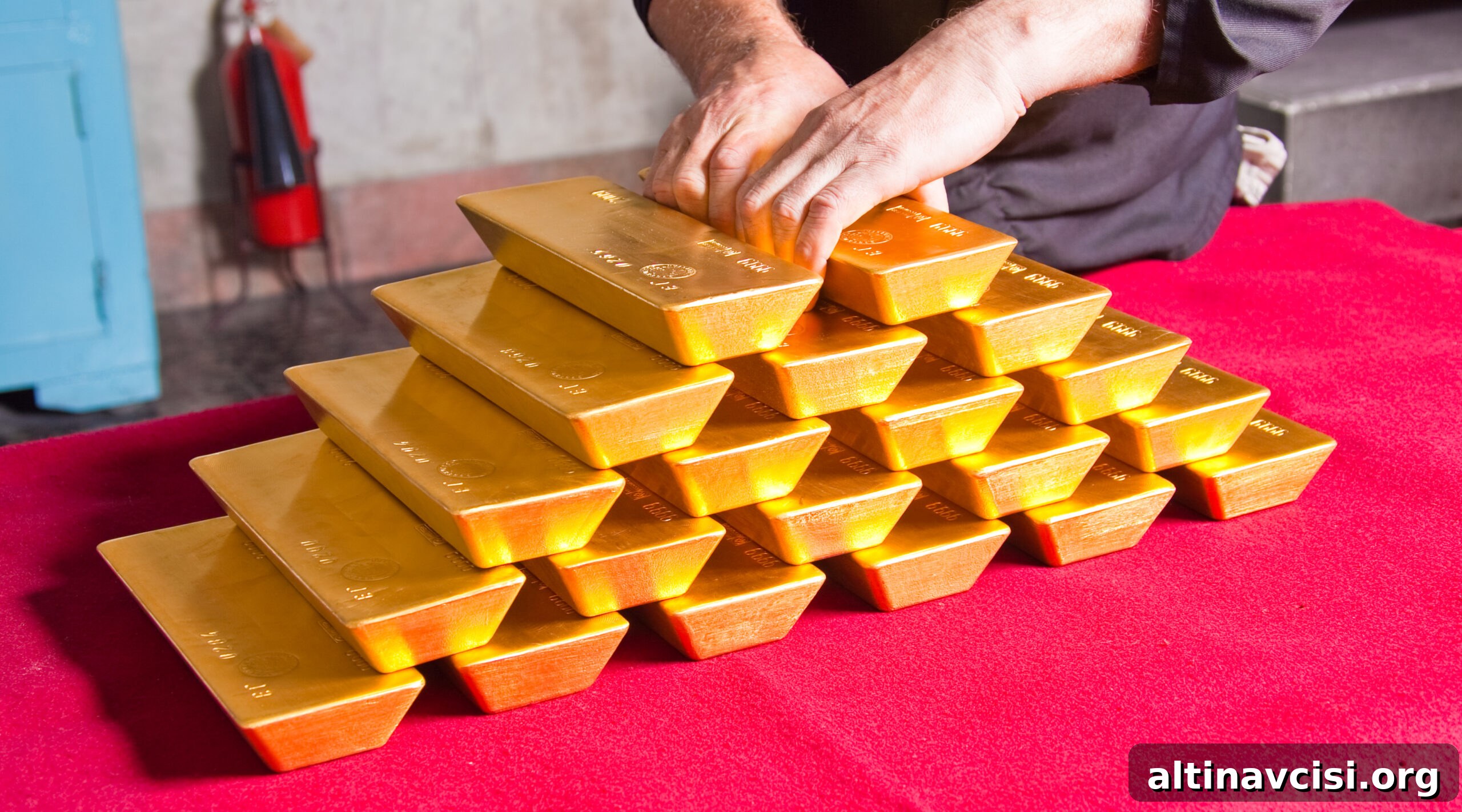
Gold demand across major Asian markets strengthened this week after prices eased from the recent peaks.
In India, local dealers began quoting discounts of around $34 per ounce compared with earlier levels. Traders and market participants said that if gold prices decline further toward roughly 90,000 rupees per 10 grams, retail and wholesale buying could pick up significantly as consumers and jewellers seek to take advantage of lower rates.
In mainland China, premiums quoted by dealers ranged between $9 and $50 per ounce. Analysts observed that this price correction prompted renewed “bargain hunting” among private buyers and smaller investors who had been sidelined during the rally. The softer spot price has encouraged some customers to enter the market, replenishing inventories and supporting trading volumes at local exchanges and bullion shops.
Hong Kong, Singapore and Japan also recorded higher turnover as traders reacted to the pullback in prices. In Hong Kong and Singapore, physical bullion shops and regional distributors reported a steady flow of inquiries from both retail buyers and small institutional clients. In Japan, traders noted particularly robust interest from the general public: smaller buyers and household savers seized the opportunity presented by the dip to add to holdings in the form of coins, bars and low-premium products.
Market sources pointed out several common themes behind the increase in activity. First, falling prices reversed some of the speculative momentum that had pushed gold to multi-month highs, bringing back price-sensitive consumers. Second, the easing allowed jewellery manufacturers and wholesalers to restock at more attractive levels, which often translates into higher downstream demand in coming weeks. Third, in many Asian markets, gold remains a culturally preferred store of value, so any notable discount tends to stimulate purchases for gifts, festival seasons and long-term savings.
Analysts caution that while demand improved during the recent dip, overall appetite will remain linked to a mix of factors including currency movements, local inflation trends, central bank signals and seasonal buying patterns. For example, if the rupee weakens sharply or import taxes change, Indian buyers could face higher local costs that would offset the benefit of lower international prices. Similarly, regional premiums can widen quickly if logistics or supply constraints emerge, tempering the impact of lower spot rates on physical demand.
Dealers and market watchers said they would monitor whether the current uptick in purchases continues if prices stabilise or fall further. A sustained decline could entice additional retail and institutional purchasers, while renewed upward pressure on prices might reinstate a cautious stance among buy-side participants who prefer to wait for another correction before adding exposure.
Overall, this week’s price retreat appears to have reignited interest across the Asian physical market, encouraging bargain-seeking behaviour among individual buyers, supporting restocking by commercial players, and boosting volumes in regional trading centres.