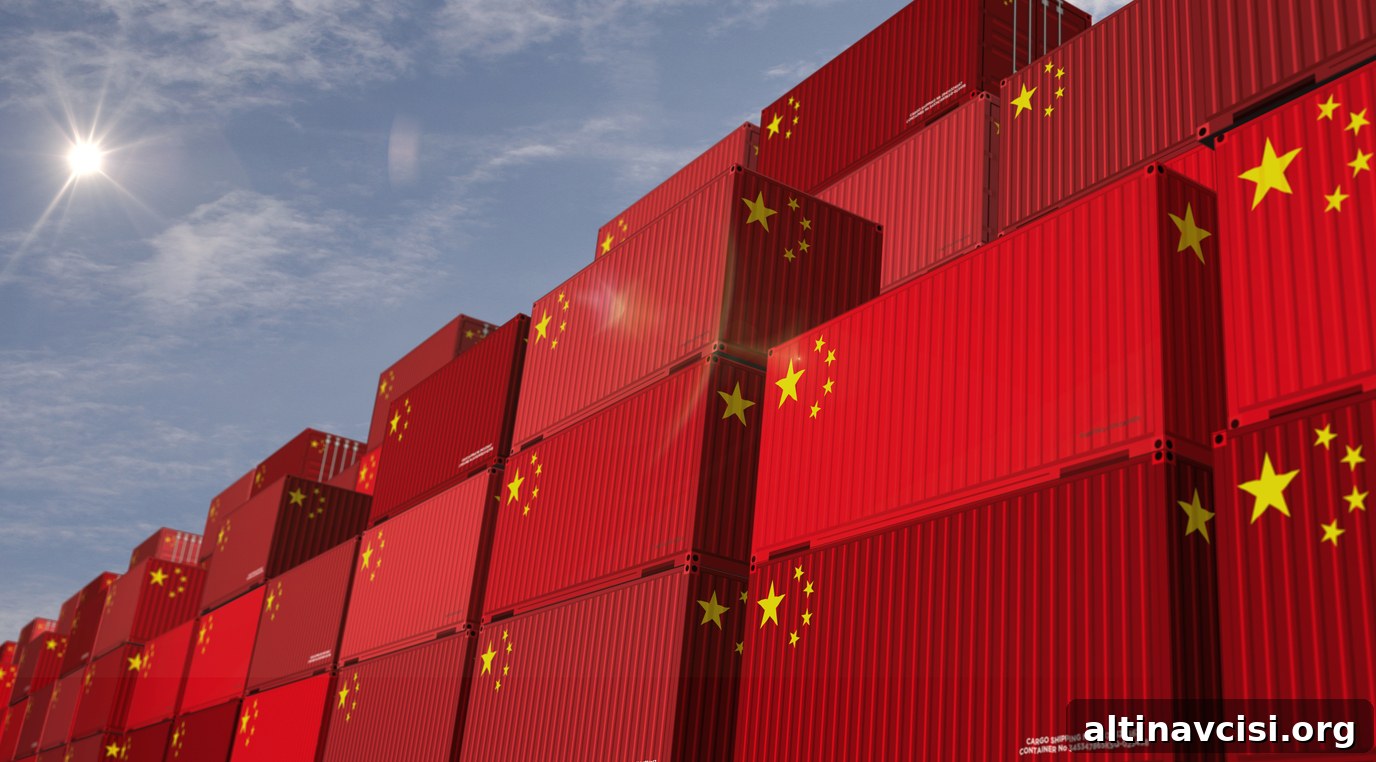
Reports indicate that China has quietly exempted certain U.S. products from its 125% tariffs as a way to ease trade tensions without making public concessions. These exemptions have been shared privately with selected companies rather than announced broadly.
Sources say firms in the pharmaceutical and technology sectors have been among those notified. Recent examples include exemptions affecting U.S. ethane and certain semiconductor products, allowing continued access to the Chinese market for those specific goods despite the broader tariff regime.
At the same time, President Trump has publicly defended his high tariffs on Chinese imports, asserting that China will shoulder the cost rather than American consumers. Behind the scenes, however, the administration is reportedly weighing phased reductions and the possibility of reviving trade negotiations with Beijing.
The tariff dispute has already had measurable effects on trade flows. Cargo shipments have fallen sharply, with some estimates pointing to a roughly 60% decline, and analysts warn the disruption could lead to supply shortages and job losses in affected industries.
In response to concerns from U.S. industry, the president has also signed an order providing targeted tariff relief for automakers and parts suppliers. The move follows warnings from the auto sector that sustained tariffs could depress sales and push up vehicle prices for consumers.
Overall, the situation reflects a mix of public toughness and private diplomacy: high-profile tariffs and firm rhetoric on one hand, and selective exemptions and behind-the-scenes talks on the other. That combination aims to protect domestic political and economic objectives while mitigating immediate disruptions in critical supply chains.
Market participants and policymakers are watching closely to see whether these private exemptions expand, whether tariff levels will be adjusted formally, and how any renewed negotiations might reshape trade relationships between the U.S. and China. For businesses, the immediate takeaway is to monitor official guidance and private communications from trading partners as the dispute evolves.