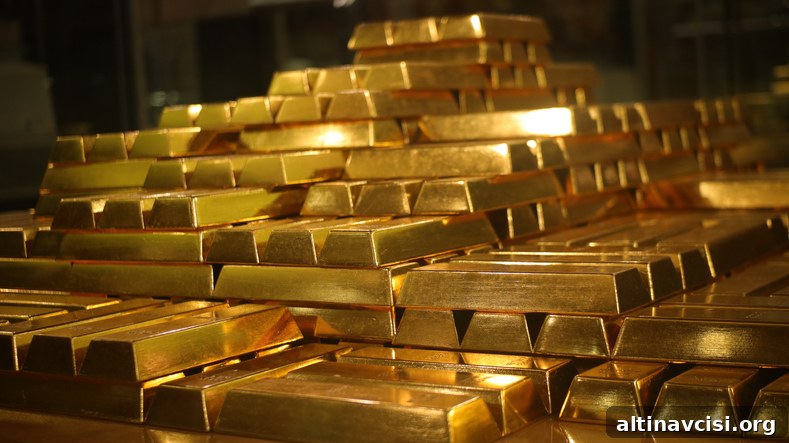
President Trump has again cast doubt on the United States’ gold reserves stored at Fort Knox, suggesting publicly that some of the bullion could be missing or otherwise not as reported. He announced plans to visit the facility personally, though he has provided no verifiable evidence to support his claims. Official figures from the U.S. Mint list the depository’s holdings at 147.3 million troy ounces of gold.
Those concerns persist despite repeated confirmations from Treasury officials that the reserves are intact. Scott Bessent, the current Treasury official overseeing audits, has stated that annual audits account for the stored gold. During Trump’s first term, Treasury Secretary Steven Mnuchin also visited Fort Knox and publicly affirmed the reserves during an inspection.
Elon Musk has amplified the controversy by speculating aloud about the authenticity of the bars, suggesting on a popular podcast that some gold could be fake or merely coated metal. Musk proposed streaming a live tour of the facility to settle doubts, framing the question as one of public ownership: the gold, he said, “belongs to the American people.”
Trump has repeatedly raised the issue in public remarks, telling state governors that his team intends to “open the doors to Fort Knox.” He has tied these statements to broader claims that his administration has uncovered large-scale fraud, though he has not substantiated allegations linking that fraud to the gold reserves. Fort Knox, located within a secure military installation, has served as a primary federal depository for U.S. gold since 1937 and is subject to strict security and accounting procedures.
Federal procedures for verifying national bullion typically include periodic physical inventories, independent audits, and chain-of-custody controls that document transfers or withdrawals. While the U.S. Mint provides regular reports on holdings, proposals for public demonstrations or live broadcasts of secure facilities raise logistical and security questions that authorities would need to balance against transparency goals.
For now, official records and statements from Treasury offices maintain that the gold inventory is documented and accounted for. Public calls for additional inspection or more visible verification reflect broader demands for transparency in government asset management, but without corroborating evidence, claims of missing or fake gold remain unproven.