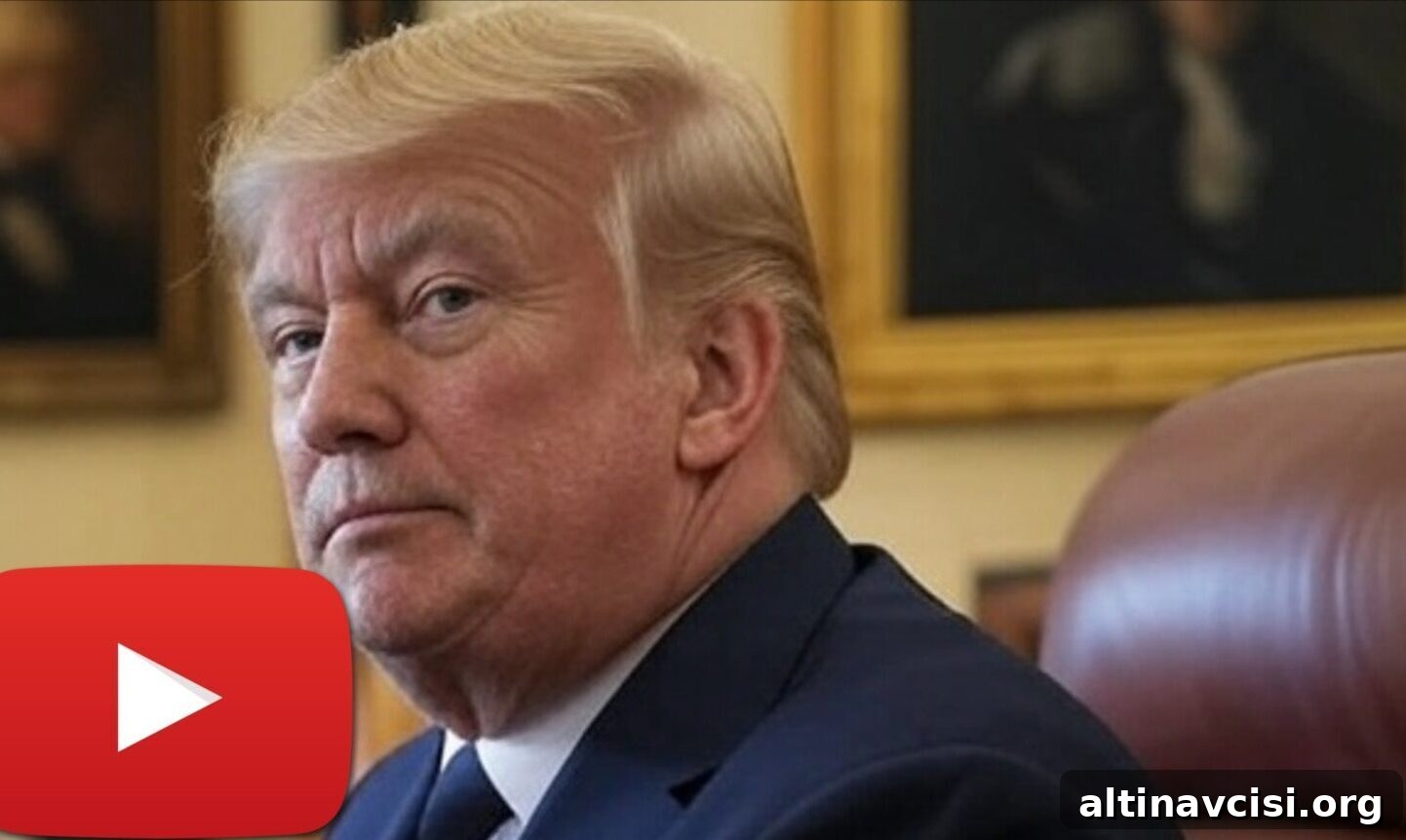
After the Federal Reserve held its key interest rate steady on July 30, former President Donald Trump criticized Chair Jerome Powell on social media, calling him “too late” and “too political.”
Throughout recent months, Trump has repeatedly threatened to remove Powell over the Fed’s decision not to cut rates. However, legal experts emphasize that the president cannot simply dismiss the Fed chair without cause; the Federal Reserve’s independence is protected by law and its leaders are subject to specific legal protections.
Powell has himself stressed that members of the Federal Reserve Board of Governors are removable only “for cause,” such as malfeasance or neglect of duty. That statutory safeguard, together with longstanding bipartisan support for central-bank independence, makes an abrupt, politically driven change at the Fed unlikely.
The Fed’s decision to keep rates unchanged reflects its ongoing task of balancing inflation control with economic growth. While some political figures pressure the central bank for easier policy, the Fed’s mandate and legal framework are designed to insulate monetary decisions from short-term political influence. As a result, any personnel changes would face substantial legal and institutional hurdles.
Observers note that public criticism of the Fed can influence markets and public perception, but it does not alter the legal standards that govern removal of Fed governors and the chair. This separation aims to ensure that monetary policy decisions are made on economic grounds rather than political considerations.
In short, despite outspoken calls from some political leaders, the combination of legal protections and bipartisan norms around central-bank independence significantly limits the president’s ability to replace the Federal Reserve chair without legitimate, legally defined cause.