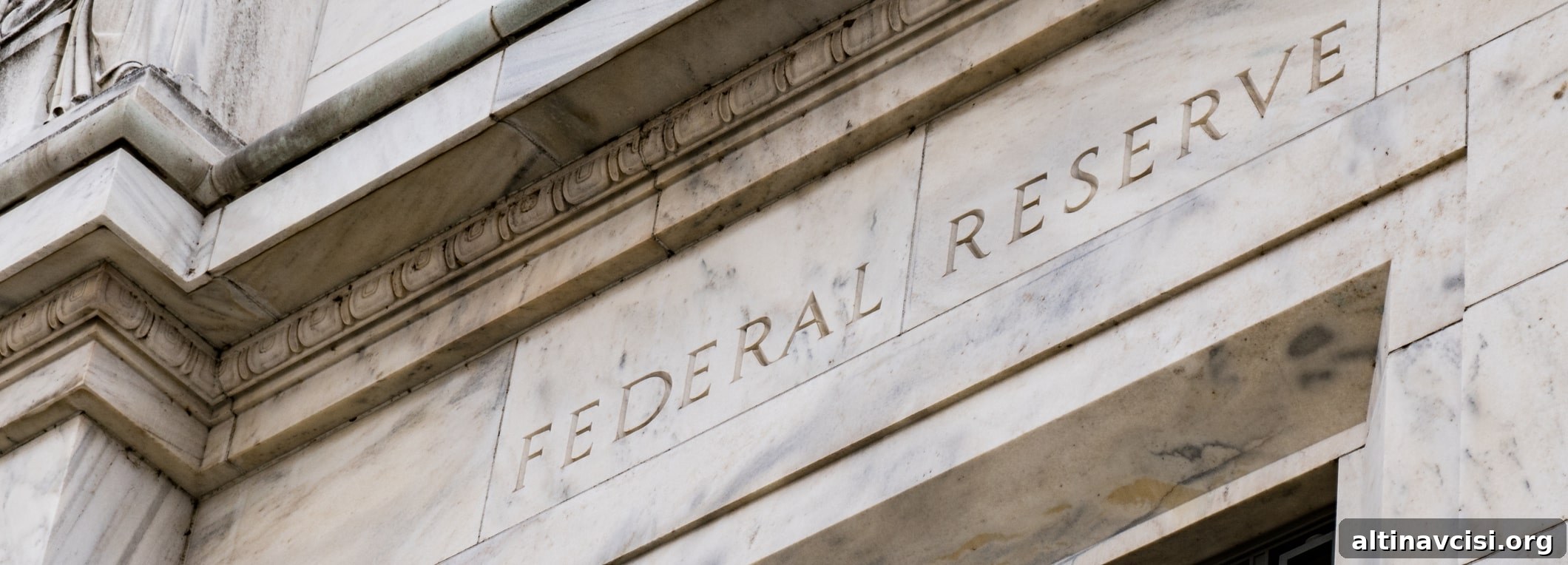
President Trump urged the Federal Reserve to lower interest rates ahead of a new round of tariffs he plans to implement, writing on Truth Social that the Fed would be “MUCH better off CUTTING RATES” before his April 2 “Liberation Day” tariff announcement.
Federal Reserve Chair Jerome Powell said the tariffs are likely to push prices higher, but he described the effect as possibly “transitory,” echoing language once used during the Biden administration that drew criticism from Trump allies.
Despite concerns about rising prices linked to tariffs, the Fed held interest rates steady and kept its outlook for two rate cuts later this year. Some analysts warn the central bank may be underestimating how much tariffs could weigh on inflation and broader economic activity.
Traders and economists are watching several factors: the timing and scope of the tariff plan, how quickly higher import costs feed through to consumer prices, and whether the Fed will respond to any sustained uptick in inflation by changing its stance. If tariffs raise costs across key sectors, businesses may pass those costs to consumers, potentially complicating the Fed’s effort to reach a stable inflation path.
Political considerations also color the debate. Mr. Trump’s public call for rate cuts before his tariff rollout underscores the interplay between fiscal and monetary policy decisions during election-year policymaking. Observers note that while the Fed is independent, public pressure from high-profile political figures can influence market expectations and financial conditions even if it does not change policy directly.
At the same time, Powell’s use of the term “transitory” reflects a judgment about the likely duration of tariff-driven price increases. If the Fed’s assessment proves overly optimistic and price effects prove more persistent, the central bank could face pressure to act sooner than its current forecast anticipates. Conversely, if the effects remain short-lived, the Fed’s plan to cut rates later in the year may proceed without significant alteration.
For now, markets will be looking for further guidance from the Fed and any additional details about the administration’s tariff plans. Analysts say clarity on the scope and duration of tariffs will be important to better estimate their inflationary impact and to judge whether the Fed’s policy path aligns with evolving economic conditions.