
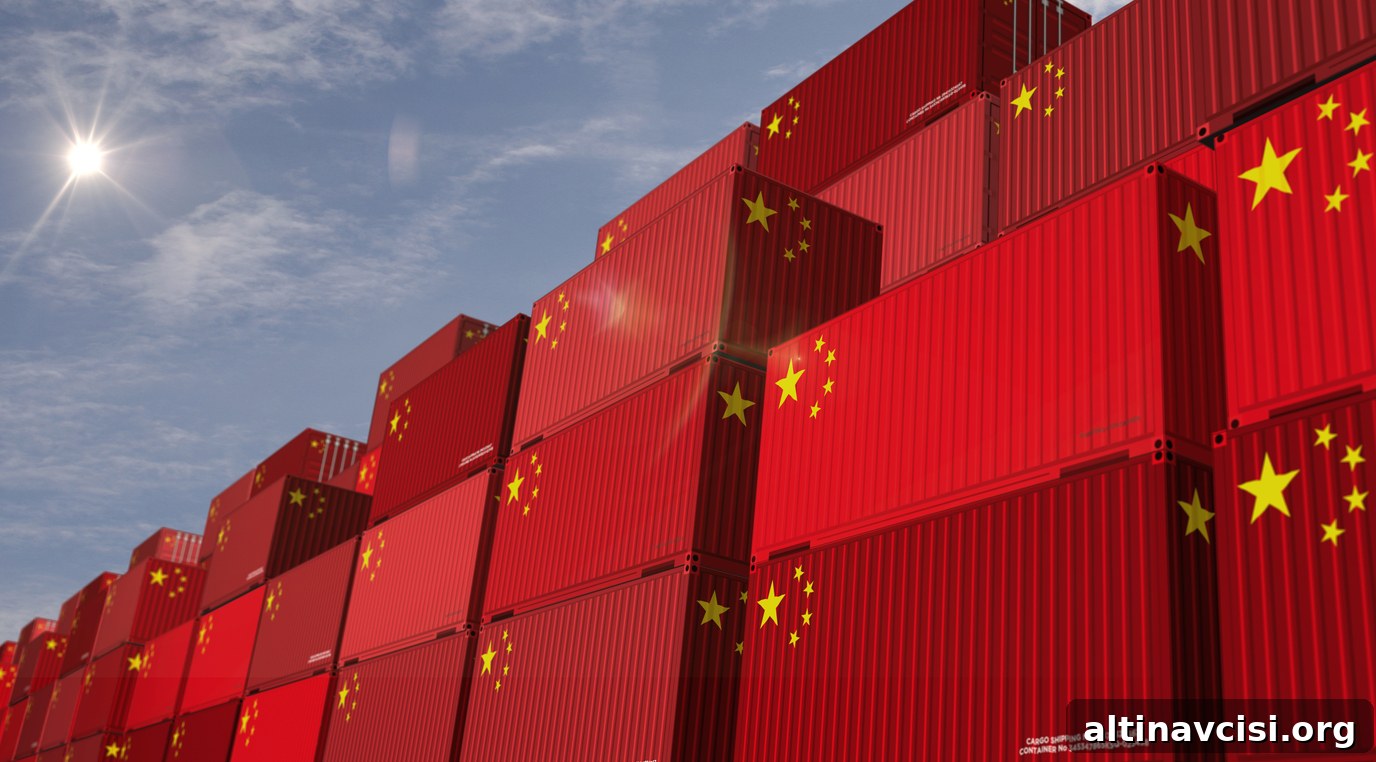
In June, China sharply increased exports of rare earth magnets, with overall shipments rising 158% and exports to the United States jumping more than sevenfold. The increase followed a trade truce intended to reduce international tensions and stabilize supply chains.
Despite the surge, current shipment levels remain below long-term averages. China still supplies roughly 90% of the world’s rare earth magnets, which are essential components in electric vehicles, wind turbines, high-performance electronics and military systems.
The export restrictions earlier this year prompted the United States and the European Union to accelerate efforts to diversify supply. Both markets have stepped up investments in domestic production, recycling and alternative sourcing to reduce dependence on a single supplier.
However, challenges persist. Licensing backlogs and regulatory hurdles continue to delay some shipments, and political frictions with several trading partners have not been fully resolved. India and parts of Europe have expressed concern about consistent access to critical materials, citing the need for clearer export rules and more predictable trade flows.
Industry observers note that rebuilding a diversified supply chain will take time and significant investment. New processing plants, mining projects and downstream manufacturing capacity must meet strict environmental and technical standards, and securing skilled labor and permitting remains a hurdle in many regions.
At the same time, companies are pursuing shorter-term measures such as boosting inventories, improving recycling programs that recover rare earth elements from end-of-life products, and redesigning components to use fewer or different materials. These steps aim to reduce near-term vulnerability while longer-term projects progress.
For policymakers, the situation highlights a balance between national security and economic cooperation. Ensuring open, reliable trade in critical materials while safeguarding strategic interests has become a priority for capitals worldwide. The recent increase in Chinese exports offers temporary relief, but analysts warn that a durable solution will require coordinated international investment, clearer regulatory frameworks and sustained industrial policy support.