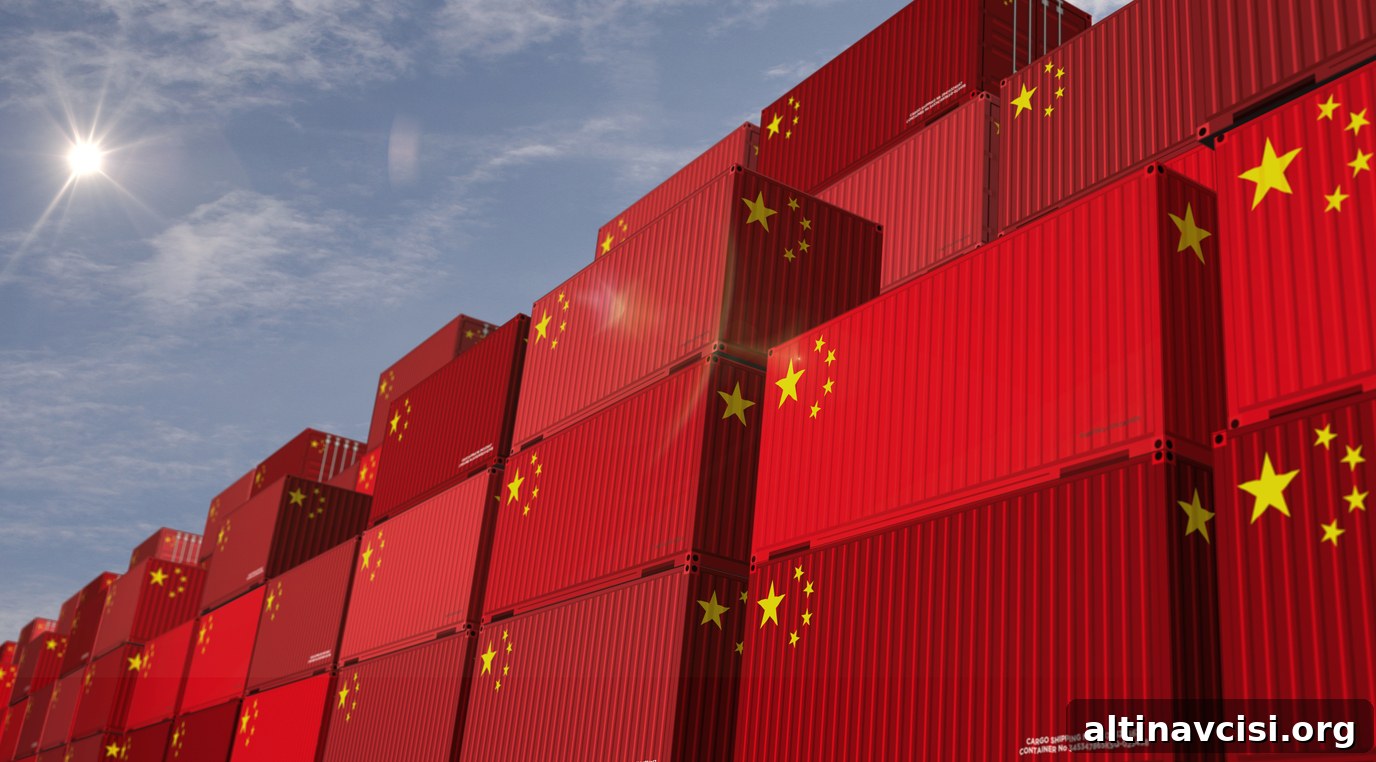
China has vowed to “fight to the end” in response to what it calls US “blackmail” after President Trump launched a sweeping tariff campaign that has escalated into a global trade dispute. Beijing’s tough rhetoric followed its decision to impose reciprocal duties matching the US’s initial tariffs, a move that triggered further threats from Washington to raise levies on Chinese imports to levels exceeding 100%.
Beijing’s firm stance contrasts with more conciliatory responses from other Asian nations. Several countries in the region have sought to defuse tensions and protect their own economic interests through negotiation and temporary adjustments rather than direct confrontation. For example, Vietnam has asked for more time and flexibility to manage the impact of the tariffs, while Indonesia has moved to offer concessions on certain US imports as part of an effort to preserve trade flows and avoid retaliatory escalations.
Meanwhile, the European Union has taken a mixed approach. EU officials have proposed a slate of counter-tariffs — notably a 25% levy on a range of US goods — to respond to American measures they view as harmful to European producers. At the same time, EU leaders have signaled willingness to pursue a negotiated solution, proposing a “zero-for-zero” framework that would see both sides roll back tariffs if an agreement can be reached. This dual strategy reflects the EU’s attempt to balance protecting its industries with maintaining open channels for diplomacy and trade talks.
The trade confrontation has had immediate and significant effects on global financial markets. Stocks and commodity prices plunged in the early days of the dispute as investors feared a wider economic slowdown. Several market observers warned that prolonged tariff escalation could tip major economies into recession by raising costs for businesses and consumers, disrupting supply chains, and reducing demand for exports. Some multinational firms, particularly in manufacturing, have already begun reassessing production plans and supply-chain strategies to mitigate exposure to tariff risk.
Firms with deep ties to China have been especially affected. The uncertainty over trade policy has prompted Chinese manufacturers to reconsider where they locate production, how they source components, and how they price goods destined for American and other foreign markets. This restructuring process could take months or years and may involve shifting some operations to lower-cost neighbors in Southeast Asia or reconfiguring supplier relationships to minimize tariff burdens.
Political and economic commentators have noted the broader implications of rising trade tensions for global leadership and market perceptions. The head of Euronext observed that the United States, once broadly perceived as the stable, dominant economic power, now displays traits more commonly associated with emerging markets when policy unpredictability increases. Such comments underline how trade disputes can affect confidence in major economies and impact long-term investment decisions. Despite the initial shockwaves, financial markets have shown signs of stabilization after several days of heavy selling, as investors adjust to the new policy environment and policymakers begin to signal possible paths to de-escalation.
Beyond immediate market reactions, the tariff confrontations risk longer-term consequences for global growth. Tariffs raise production costs and can slow global trade volumes, reducing the efficiency gains that have supported decades of economic expansion. Firms exposed to both the US and Chinese markets face particularly difficult tradeoffs when planning investment and hiring. Governments in affected countries may also be forced to revise fiscal and industrial policies to offset the impact of higher import costs or reduced export demand.
Diplomatic efforts to contain the dispute are underway in multiple capitals. Negotiators from the US, China, the EU, and other affected countries have expressed varying degrees of openness to talks, with some signaling readiness to restore tariff-free arrangements under strict conditions. The proposed “zero-for-zero” framework by the EU is an example of a negotiated approach that seeks mutual rollback rather than unchecked retaliation. Whether such proposals gain traction depends on political will in Washington and Beijing and on how quickly market pressures force concrete compromises.
In the coming months, businesses, investors, and policymakers will closely watch tariff developments and any signs of negotiation breakthroughs. The direction of trade policy will be central to global economic prospects: a negotiated settlement could calm markets and restore some business confidence, while a prolonged tit-for-tat escalation would likely add to economic headwinds and increase the incentive for companies to diversify supply chains away from the most exposed markets.