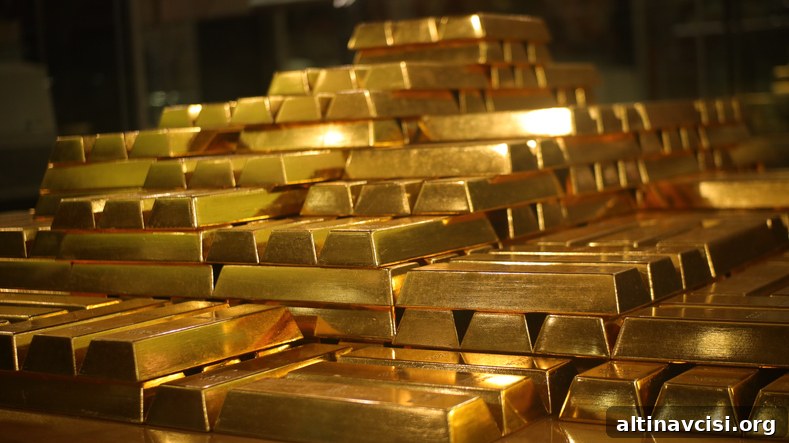
Hong Kong is stepping up efforts to become a major international gold trading hub. Financial Secretary Paul Chan Mo-po said comprehensive support measures will be announced later this year to develop the market and related infrastructure.
Among the planned initiatives are provisions to support physical gold delivery and storage, aimed at making Hong Kong a reliable center for settlement and logistics in the global bullion market. These measures are intended to provide the legal, regulatory and operational framework needed for secure and efficient physical gold transactions.
The drive to expand gold trading follows Hong Kong’s recent entrance into the London Metal Exchange’s global warehouse network. Since joining, eight LME-approved warehouses in the city have become operational and are now handling more than 8,000 metric tons of exchange-registered warrants, a sign of growing commodities activity and market confidence.
Expanding gold trading is part of a broader strategy to position Hong Kong as a regional hub for multinational supply chain management. Authorities see an opportunity to serve mainland Chinese companies that are expanding into markets across the Global South and along Belt and Road corridors, offering trade, financing and logistics services that integrate commodity trading with broader commercial operations.
Officials aim for the new measures to strengthen Hong Kong’s competitiveness in commodity markets by clarifying settlement processes, improving storage and delivery infrastructure, and ensuring the city’s regulatory framework supports large-scale bullion flows. The approach seeks to attract both international traders and domestic enterprises looking for a dependable platform to manage physical gold positions and related risk.
Market participants anticipate that clearer rules and enhanced infrastructure will lower transaction costs and operational friction, making Hong Kong a more attractive venue for clearing and settling physical metal trades. By improving custody arrangements and delivery mechanisms, the city hopes to align with global standards and provide greater certainty for counterparties involved in bullion transactions.
While details of the support measures have not yet been released, the announcement signals Hong Kong’s intent to deepen its role in the commodities ecosystem. Observers note that aligning policy, logistics and financial services around physical delivery capabilities could help the city capture a larger share of regional and international bullion flows over time.
Overall, the initiative reflects Hong Kong’s strategy to adapt to shifting geopolitical and trade landscapes by enhancing its infrastructure and regulatory environment for commodity trading. With targeted measures for physical delivery and strengthened ties to established exchanges and warehouse networks, the city aims to solidify its position as a trusted hub for gold and other traded metals.