
Daily News Nuggets | Today’s top stories for gold and silver investors
November 11th, 2025
Government Shutdown Nears End After 42 Days
The record 42-day U.S. government shutdown appears to be winding down after the Senate approved a temporary funding measure supported by centrist Democrats. The House is expected to vote soon, potentially ending the longest shutdown in the country’s history.
The deal would prevent further disruptions to federal services and remove a major source of market uncertainty. Still, the broader fiscal situation remains unresolved. Political stalemates delayed essential functions for weeks, and another funding deadline could prompt a fresh standoff if lawmakers fail to reach a durable agreement.
With one large source of political risk easing, markets and investors are refocusing on the economic data — and recent indicators point to growing weakness.
Private Sector Sheds Jobs in Late October
New weekly data from ADP show the U.S. private sector lost jobs in the final week of October. The decline during a typically stable period suggests underlying weakness in the labor market rather than seasonal variation.
These losses add to concerns the labor market is cooling faster than many expected. If the trend continues, it could pressure the Federal Reserve to move toward rate cuts sooner than currently anticipated. For investors, a weakening jobs market raises questions about consumer spending, corporate earnings, and the economy’s ability to avoid a harder landing.
The effects are already reaching households: when job and wage prospects weaken, consumers pull back on discretionary spending, amplifying downside risks for businesses and markets.
The Chipotle Bowl Indicator Flashes Red
Chipotle’s recent struggles are being read as a consumer demand signal. The restaurant chain has cited slowing sales tied to financially stretched customers, reflecting a broader shift in dining habits: eating out is moving from a routine expense to a discretionary treat.
Young consumers appear especially constrained by rising housing costs, a tight jobs market, and slower wage growth. Declines in spending on relatively inexpensive items like fast-casual meals indicate real pressure on household budgets. For markets, this deterioration in consumer demand raises recession probabilities and increases pressure on policymakers to respond.
As discretionary spending softens, more investors are shifting into defensive positions, reallocating toward assets perceived as safer during economic stress.
Precious Metals Climb as Rate Cut Bets Grow
Gold reached a near three-week high, gaining about 0.5%, while silver rose roughly 1.5% as traders increased bets on Federal Reserve rate cuts amid signs of economic weakness. The rally accelerated after government funding uncertainty began to ease, lifting risk sentiment across markets.
The metal gains reflect a changing outlook: rising job losses and softer consumer spending make earlier-than-expected rate cuts more likely, which tends to benefit non-yielding assets like gold and silver when real interest rates fall. Silver’s stronger move also hints at some resilience in industrial demand expectations or at least the belief that industrial demand will not collapse.
Some market participants believe the precious metals rally has further room to run as macro conditions evolve.
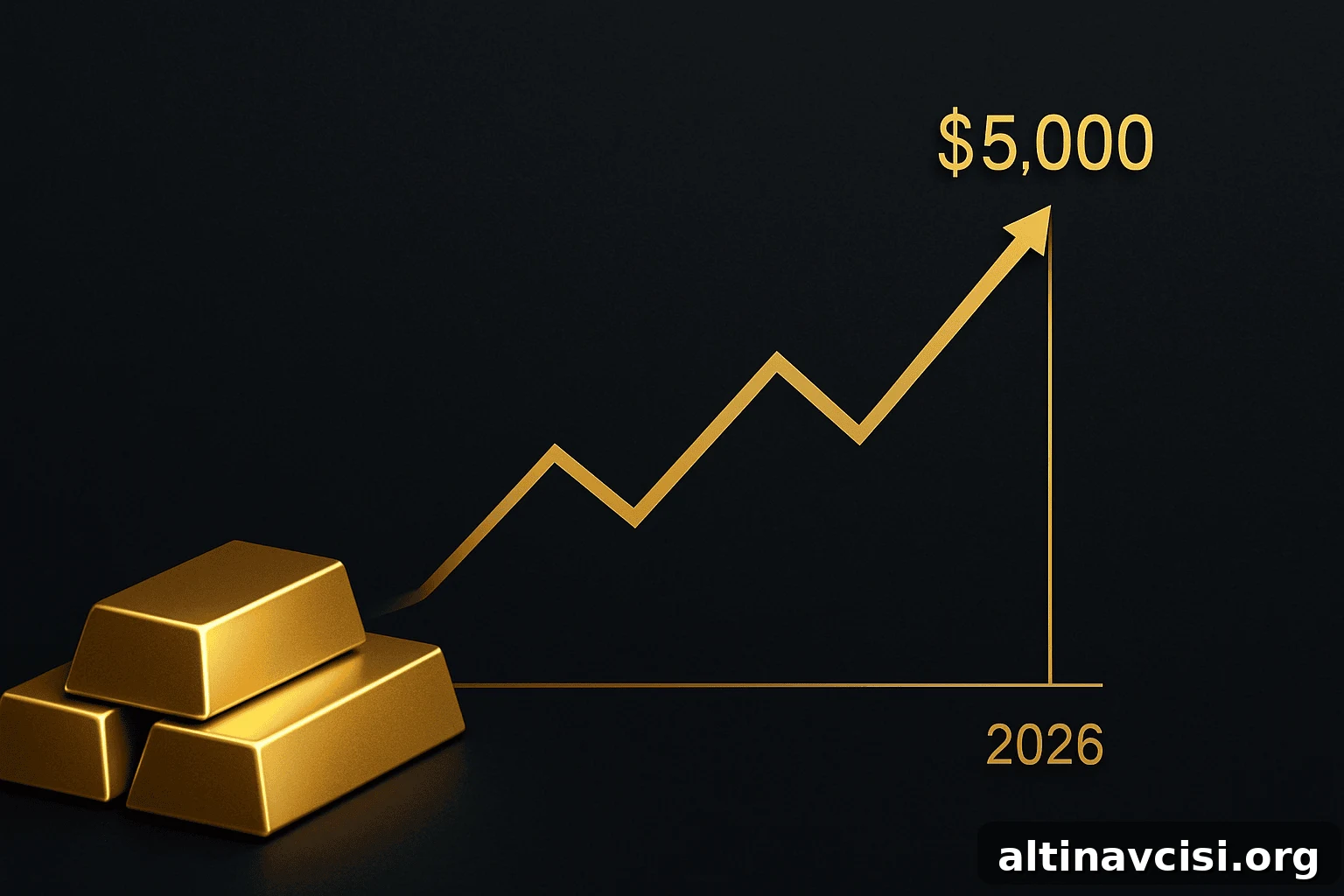
JPMorgan Sees Gold Reaching $5,000 in 2026
JPMorgan’s private bank projects that gold could top $5,000 per ounce by 2026, pointing to persistent inflation concerns, geopolitical uncertainty, and continued central bank buying as key drivers. The forecast is notable because it comes from a major Wall Street institution that typically applies rigorous analysis to client recommendations.
The call underscores a view that the forces supporting gold’s rally may be durable rather than transient: sticky inflation, fiscal imbalances, and global reserve diversification by central banks. If that outlook proves correct, current prices might appear relatively attractive in retrospect. For investors, it reinforces the idea that precious metals are increasingly seen as a strategic portfolio allocation, not only a crisis hedge.