
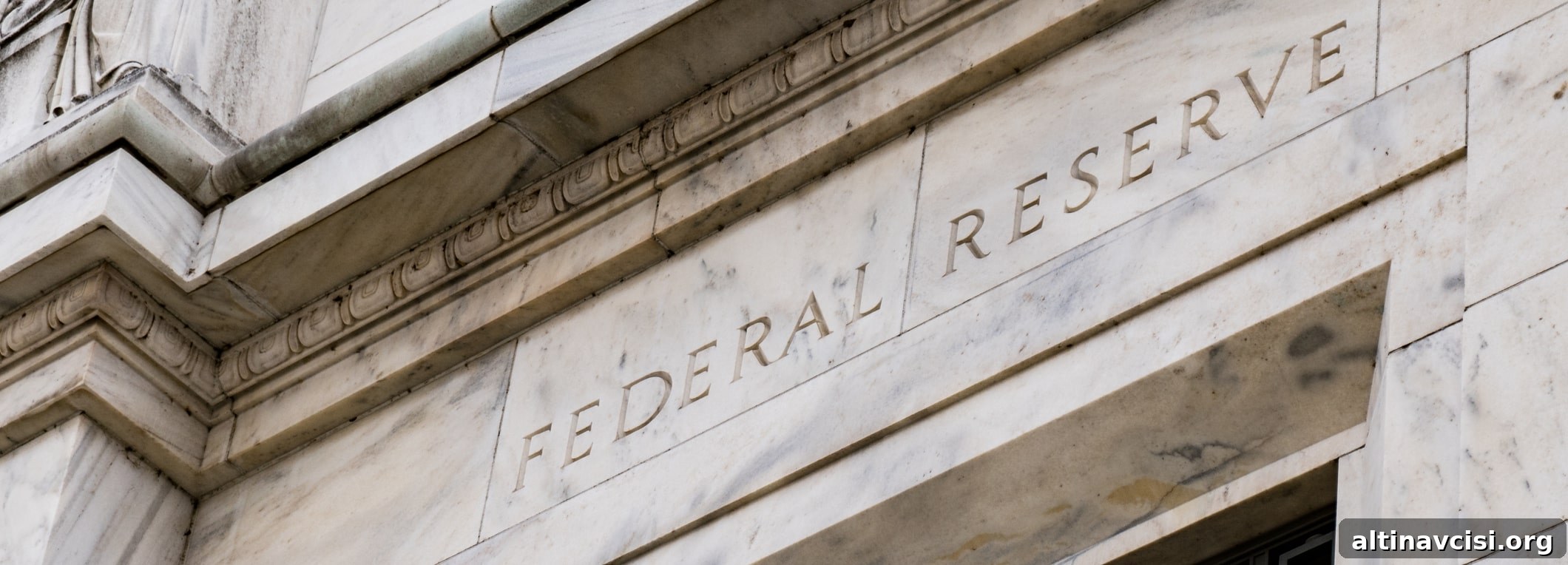
President Trump toured the Federal Reserve’s $2.5 billion renovation project alongside Chair Jerome Powell, and the two briefly sparred over the total cost. Powell clarified that a frequently cited $3.1 billion figure included a separate, previously completed third building, while the active renovation budget for the Eccles and East buildings stands at $2.5 billion.
During the visit, Trump used the opportunity to advocate for lower interest rates, a matter on which he pushed directly with Fed leadership. Powell, in turn, reiterated the central bank’s independence, emphasizing that rate decisions rest with the Federal Reserve’s policy process rather than with outside political pressure.
The renovation work, which began in 2022, covers major updates to both the Eccles and the East buildings and is scheduled for completion in 2027. A significant portion of the program’s cost reflects enhanced security measures and infrastructure upgrades aimed at modernizing the facilities and protecting staff and operations.
Officials involved with the project have highlighted several reasons for the expense: extensive mechanical and electrical system replacements, accessibility improvements, and strengthened security systems. Those factors, alongside inflationary pressures and complex logistical planning in an occupied campus environment, have driven costs higher than what older estimates anticipated.
Though estimates and public figures have sometimes varied, project managers emphasize that the scope and phasing of the work have evolved since the initial planning stages. Some previously completed work on a separate building contributed to confusion over aggregated totals when those figures were cited without context.
The exchange between Trump and Powell underscores the broader tension that can arise when political leaders comment on monetary policy and central bank operations. While presidents and members of Congress often voice preferences on interest rates or monetary conditions, the Federal Reserve’s structure is designed to maintain decision-making autonomy to achieve its mandated goals of maximum employment and stable prices.
Beyond the headline cost debate and the rate discussion, the renovation aims to deliver long-term benefits: updated technology infrastructure, improved workplace safety and security, and more efficient use of space. Supporters argue that these improvements will strengthen the Fed’s ability to carry out oversight, research, and critical operations in a modern environment.
As the project continues through its multi-year timeline, observers will likely monitor budget updates and milestone reports from the Fed to track how the work progresses and whether final costs align with current projections. For now, the administration’s visit highlighted both the operational priorities behind the renovation and the ongoing public interest in how taxpayer and institutional funds are allocated for federal facilities.