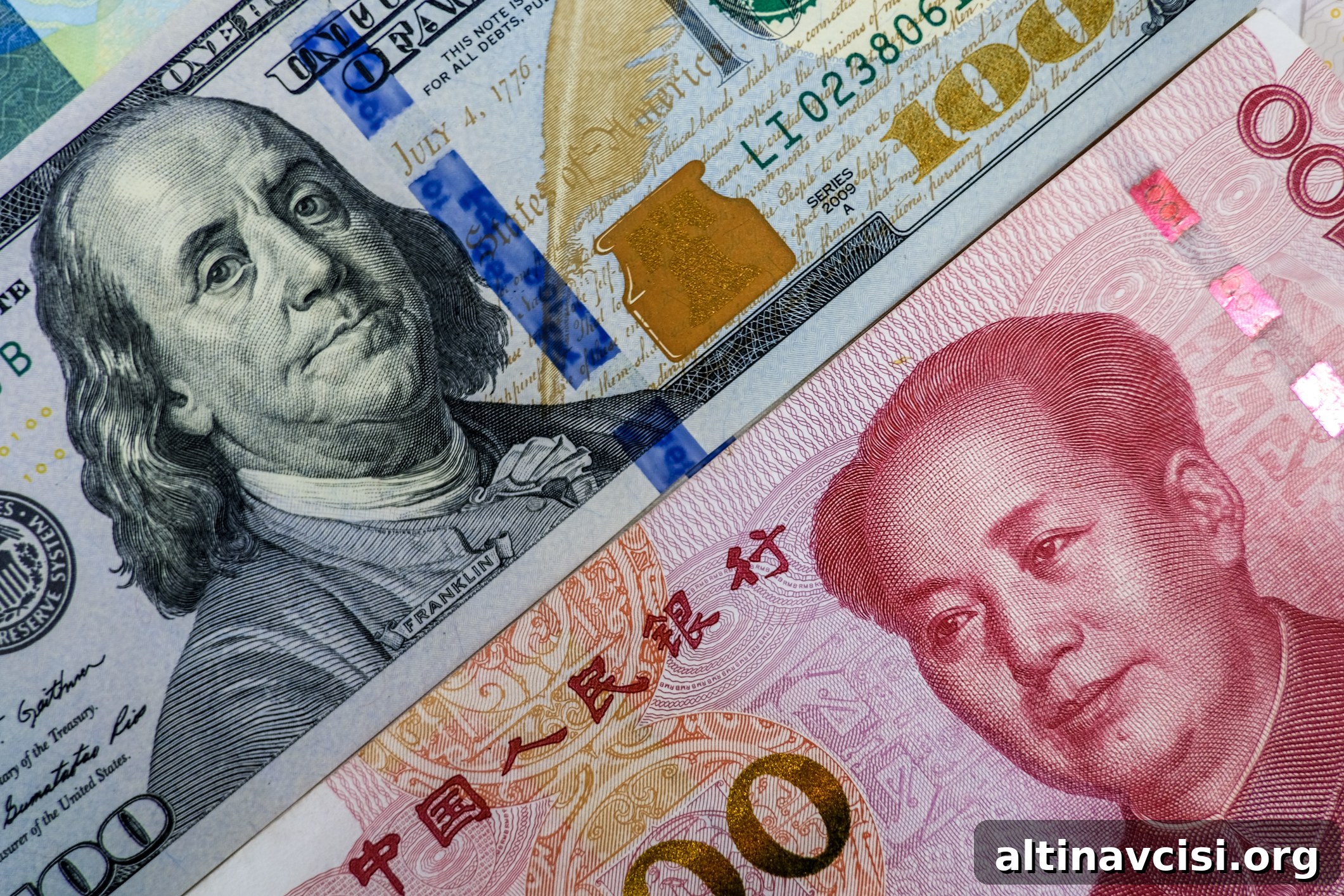
China’s central bank has announced a series of measures intended to reduce the economic impact of U.S. tariffs, including cuts to interest rates and reductions in banks’ reserve requirement ratios.
Officials say these policies are designed to release roughly $137.6 billion into the banking system to support additional lending and ease liquidity pressures for businesses, particularly exporters affected by rising trade barriers.
The moves come as China and the United States prepare for upcoming trade talks. U.S. tariffs—reported to reach as high as 145% on certain Chinese products—have begun to weigh on China’s export-driven sectors, prompting concern among policymakers about slower growth and factory activity.
In turn, China has announced retaliatory duties on selected American goods, with some rates reported up to 125%. Both sets of tariffs are contributing to uncertainty for companies that rely on cross-border supply chains and international demand.
Financial markets reacted to the central bank’s measures with cautious optimism. Investors welcomed steps that boost liquidity and lower borrowing costs, while analysts noted that the broader economic outlook still depends on the outcome of trade negotiations and the scope of any future tariff actions.
By easing monetary conditions, Beijing aims to support domestic investment, stabilize employment in manufacturing and related sectors, and reduce the short-term pain from heightened trade tensions. However, economists caution that monetary policy alone may not fully offset the structural effects of sustained tariffs on trade flows and industrial competitiveness.
As talks proceed, businesses and policymakers will be watching for further signals on both sides that could de-escalate the dispute and restore more predictable trading conditions. In the meantime, the central bank’s steps are intended to provide immediate relief to financial markets and firms facing higher costs and weaker external demand.