


In today’s volatile economy, protecting retirement savings requires more than traditional stocks and bonds. Many investors are turning to Gold IRAs for wealth preservation and tax advantages that strengthen long-term financial plans.
Whether you choose a Traditional or Roth Gold IRA, understanding the tax rules and account mechanics can help you build a more resilient retirement strategy.
Understanding Gold IRAs and Their Tax Classifications
A Gold IRA is a self-directed retirement account that holds IRS-approved physical precious metals—such as gold, silver, platinum, and palladium—instead of paper assets. These accounts come in several tax classifications, each with distinct benefits.
Traditional Gold IRAs: Tax-Deferred Growth
Traditional Gold IRAs allow tax-deductible contributions, reducing current taxable income while earnings grow tax-deferred until retirement.
- Contributions may be tax-deductible, lowering taxable income in the contribution year.
- Investments grow tax-deferred—taxes are due only on distributions.
- Distributions are taxed as ordinary income in retirement.
This structure is often most attractive if you expect to be in a lower tax bracket in retirement.
Roth Gold IRAs: Tax-Free Growth Potential
Roth Gold IRAs use after-tax dollars for contributions. While there is no immediate tax deduction, qualified withdrawals in retirement are tax-free and there are no required minimum distributions during the account holder’s lifetime.
- Contributions are made with after-tax dollars.
- Qualified withdrawals are tax-free.
- No RMDs during your lifetime.
A Roth Gold IRA can be particularly valuable if you expect higher future tax rates or want to pass assets to heirs with minimal tax impact.
SEP and SIMPLE Gold IRAs
Self-employed individuals and small business owners can consider SEP or SIMPLE IRAs for larger contribution limits and tax deductions—provided the custodian supports holding precious metals in these plans.

The Financial System Isn’t Safer — And You Know It
As risks mount, see why gold and silver are projected to keep shining in 2026 and beyond.
Maximizing Tax Advantages of Gold IRAs
Strategic Contribution Timing
Timing your contributions can affect tax outcomes. Contributing to a Traditional Gold IRA before the tax filing deadline can reduce your prior year’s tax liability, while contributing early in the year maximizes time for tax-deferred growth.
- Make contributions early to maximize tax-deferred growth.
- Use catch-up contributions if you are over 50.
- Time conversions during lower-income years to reduce immediate tax impact.
Tax-Loss Harvesting with Complementary Investments
Although Gold IRA holdings grow inside a tax-advantaged account, you can pursue tax-loss harvesting in taxable accounts to offset capital gains elsewhere in your portfolio.
Roth Conversion Strategies
Converting a Traditional Gold IRA to a Roth creates a taxable event but can produce long-term tax-free growth. Consider conversions during low-income years, when gold prices dip, or if you expect future tax increases.
- Best times to convert:
- During low-income years.
- When gold prices dip.
- If you expect future tax hikes.
Roth conversions are permanent and taxable; consult a tax advisor before proceeding.
IRS Compliance: What You Need to Know
Eligible Metals
The IRS requires specific purity standards for metals held in an IRA:
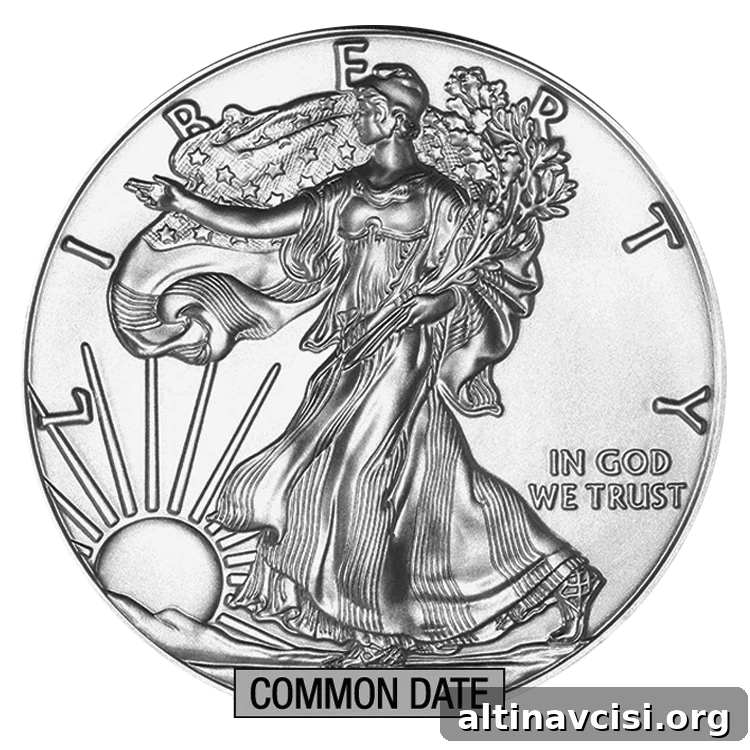
- Gold: 99.5% or higher (American Eagles are 91.67%).
- Silver: 99.9%.
- Platinum/Palladium: 99.95%.


Custody & Storage Rules
Gold IRAs must store metals in an IRS-approved depository through an authorized custodian. Taking personal possession of IRA metals is treated as a taxable distribution.
Contribution Limits and Deadlines
- $7,000 annual contribution limit for individuals under 50.
- $8,000 annual contribution limit for those 50 and older.
- Contributions can generally be made until the tax filing deadline for the prior year.
Understanding Withdrawals & RMDs
Required Minimum Distributions (RMDs)
- Traditional Gold IRAs require RMDs starting at age 73.
- Failure to take RMDs can result in significant penalties.
- Roth Gold IRAs are exempt from RMDs during the account holder’s lifetime.
You may elect to take RMDs in-kind (physical metals) to avoid selling during unfavorable market conditions.
Early Withdrawals
- Withdrawals before age 59½ typically trigger a 10% penalty plus income tax.
- Some exceptions apply, such as for first-time home purchases, higher education, or disability.
Estate Planning with Gold IRAs
- Roth Gold IRAs can be passed to heirs tax-free under current law.
- Traditional Gold IRAs transfer with associated tax obligations for beneficiaries.
- Physical metals offer a durable, inflation-resistant legacy asset.
Gold has historically performed well during periods of high inflation or economic uncertainty. Combining that inflation hedge with tax-advantaged growth creates a compelling strategy to preserve purchasing power without immediate tax liabilities.



Comparing Gold IRA Tax Benefits vs. Other Retirement Accounts
Traditional IRA
- Tax Benefit: Tax-deferred growth.
- Investment Flexibility: Primarily paper assets (stocks, bonds, mutual funds).
- RMD Rules: Required distributions begin at age 73.
Traditional Gold IRA
- Tax Benefit: Tax-deferred growth.
- Investment Flexibility: Holds IRS-approved physical precious metals.
- RMD Rules: Required at age 73.
Roth IRA
- Tax Benefit: Tax-free withdrawals in retirement.
- Investment Flexibility: Typically paper assets only.
- RMD Rules: No RMDs during the account holder’s lifetime.
Roth Gold IRA
- Tax Benefit: Tax-free withdrawals in retirement.
- Investment Flexibility: Physical metals (gold, silver, etc.).
- RMD Rules: No RMDs during the account holder’s lifetime.
401(k)
- Tax Benefit: Tax-deferred growth, possible employer match.
- Investment Flexibility: Limited to plan options selected by the employer.
- RMD Rules: Required at age 73 unless still employed by the sponsoring employer.
Gold IRAs stand out for offering tangible asset protection, which can be especially valuable during inflation or economic instability.
Final Thoughts: Building a Tax-Efficient Retirement Strategy
Gold IRAs provide more than diversification—they offer tax benefits that can help preserve wealth, lower taxes, and strengthen your legacy. Whether your aim is to reduce current tax burden, hedge against inflation, or pass assets to heirs, a Gold IRA can play a meaningful role in a balanced plan.
Before acting, consult a qualified financial or tax advisor. IRS rules and optimal contribution or conversion strategies can be complex; professional guidance helps ensure decisions match your long-term goals.

GoldSilver: Investing in Physical Metals Made Easy
GoldSilver offers a range of options to buy, sell, store, and take delivery of physical precious metals, giving you control over how metals fit into your portfolio.