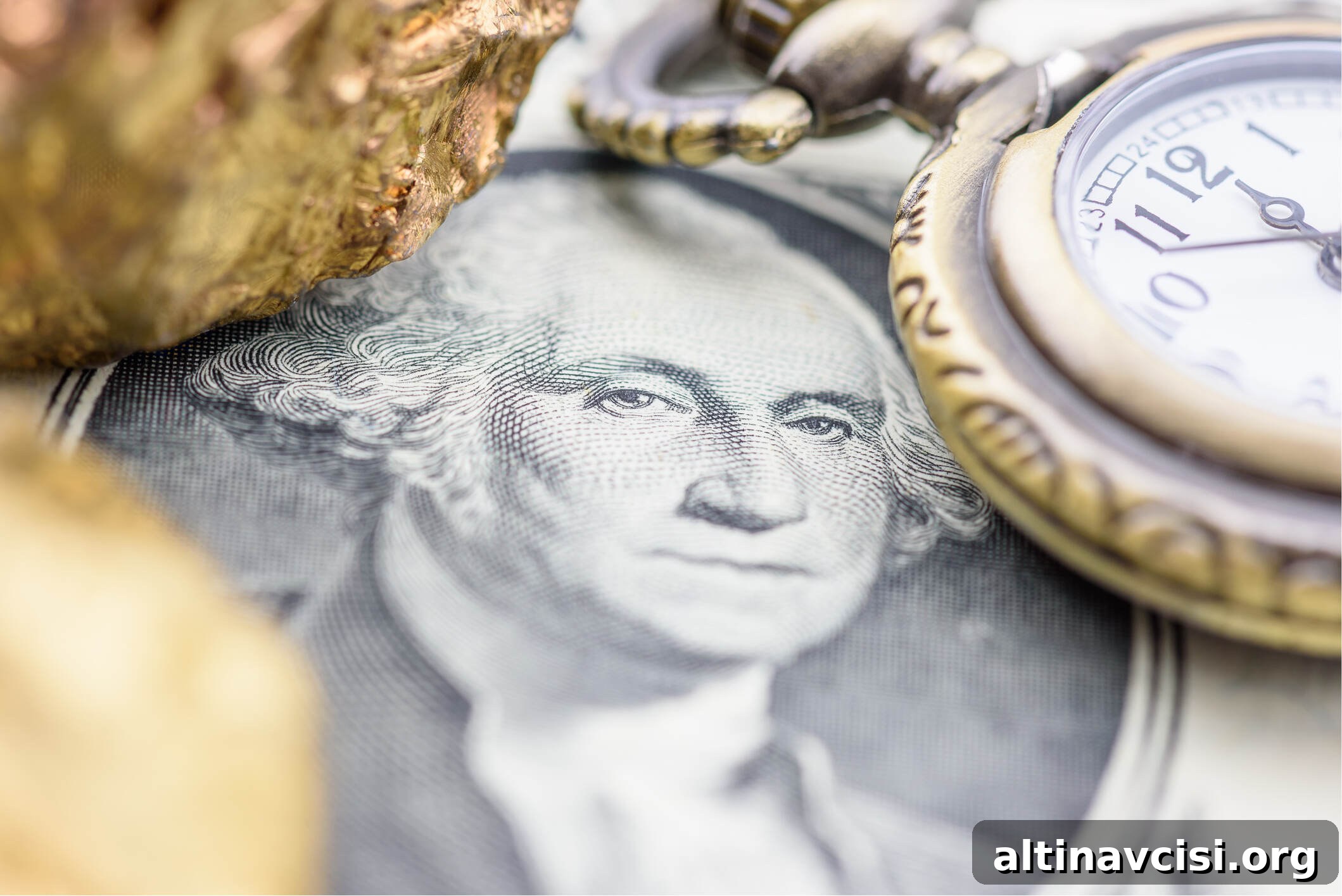
The U.S. dollar has declined about 10% so far this year, reaching a three-year low. Several major banks, including UBS, describe the currency as “unattractive” and expect further weakness as economic growth cools.
Downward pressure on the dollar stems from growing concerns over the widening U.S. budget deficit and uncertainty about future tariff and trade policies. These fiscal and policy risks have made investors and trading partners more cautious about holding large dollar positions.
The dollar’s slide is already affecting global commerce. Businesses and suppliers across Latin America and Asia are increasingly asking American buyers to invoice and settle in other currencies—such as the euro, Mexican peso, and Chinese renminbi—to reduce exposure to dollar swings. This shift helps exporters and intermediaries hedge currency risk and preserve margins amid the dollar’s volatility.
Beyond invoicing changes, companies are adapting through a variety of strategies: negotiating currency clauses in contracts, using forward contracts and options to lock in rates, and diversifying currency holdings. Financial managers say these measures can provide short-term protection, though they also add complexity and transaction costs.
For U.S. firms that rely on imports, a weaker dollar can be a double-edged sword. While a softer dollar can support export competitiveness by making U.S. goods cheaper abroad, it raises the cost of imported inputs and finished goods, pressuring profit margins and potentially leading to higher consumer prices.
Policymakers face trade-offs when addressing a weaker currency. Actions to reduce the budget deficit or clarify trade and tariff policy could help stabilize sentiment, but such measures often take time to implement and to affect markets. In the meantime, businesses and investors are watching economic indicators, central bank communications, and fiscal developments closely for signs of a sustained turnaround.
As the dollar navigates these headwinds, market participants are likely to continue shifting some activity into other major currencies and local tender, particularly in regions where trade ties with the United States are strong. That gradual reallocation could have lasting implications for invoicing practices and currency circulation in international trade.