Gold and silver market update — May 14, 2026
Key Takeaways
- Silver tumbled far more than gold on May 14, 2026 because it is driven by two demand engines — industrial use and monetary/investor demand — and a sharp inflation shock repriced the industrial component.
- April wholesale inflation (PPI) climbed to 6% year-over-year, the strongest since December 2022 (Bureau of Labor Statistics). That removed expectations for Fed rate cuts in 2026 and compressed the industrial premium inside silver’s price.
- Silver’s structural supply deficit remains intact. The Silver Institute forecasts a 2026 deficit of 46.3 million ounces — the sixth consecutive year global consumption outpaces mine production — so the long-term thesis for silver ownership is unchanged.
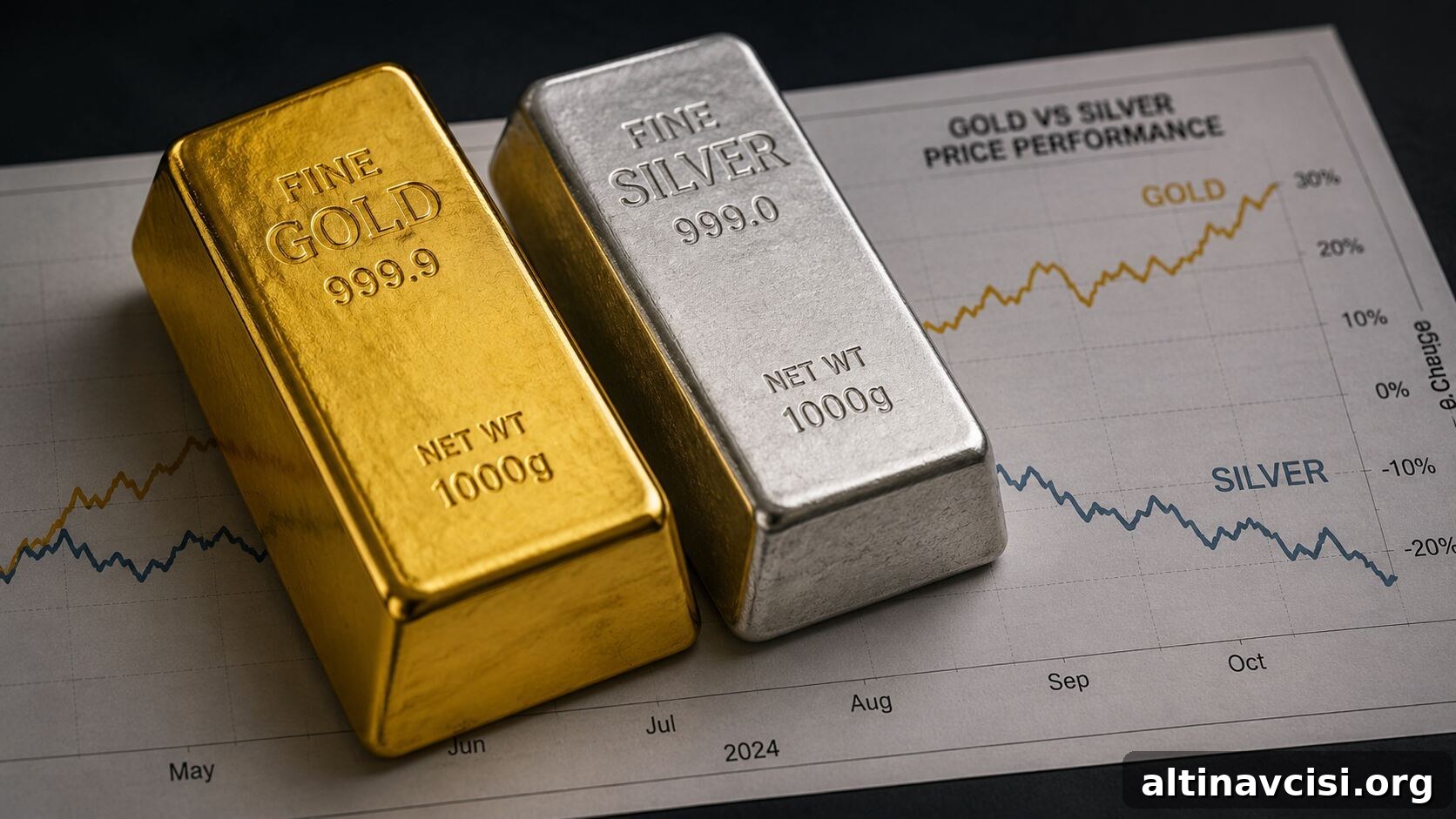
On the morning of May 14, 2026 silver reached $88.48, its highest level in two months, before sliding to about $84.55 by early afternoon — a near $4 drop. Gold moved only marginally, down less than 0.3%. The divergence is not unusual and reflects silver’s dual role in the economy. Understanding that dynamic helps investors respond calmly rather than react to intraday noise.
Why Does Silver Drop So Much More Than Gold?
Silver functions as both a monetary asset and an industrial commodity. Roughly 55% of annual silver demand is industrial — used in solar panels, electric vehicles, semiconductors, medical devices and other technologies — while about 45% is investor and savings demand, the category that primarily drives gold.
Gold’s price is largely driven by investor and monetary demand, so it tends to be less sensitive to short-term shifts in economic growth expectations. Silver’s price, by contrast, reflects both investor flows and changes in industrial activity. When expectations for interest rates change, the industrial component can be repriced quickly, producing larger intraday swings in silver than in gold.
Rising rate expectations and a stronger dollar increase borrowing costs and make commodities more expensive for foreign buyers. That combination dampens factory activity and compresses the industrial premium embedded in silver’s price — the key reason for the sharper drop on May 14.
The Edge Every Investor Needs
Smarter precious metals investing starts here. The Nuggets Newsletter brings essential market insights, Fed updates, global trends, educational videos, and more.
What Killed Rate-Cut Hopes This Week?
Three consecutive data releases made near-term Fed rate cuts unlikely.
Tuesday’s Consumer Price Index showed US inflation at 3.8% year-over-year in April, the highest reading since May 2023 (Bureau of Labor Statistics). Wednesday’s Producer Price Index surprised to the upside, registering 6% year-over-year with a 1.4% monthly gain — well above forecasts — the largest annual wholesale increase since December 2022. Thursday’s advance retail sales rose 0.5% month-over-month, signaling resilient consumer spending rather than a downturn that might have justified easing.
Energy prices were a major driver of the wholesale shock: gasoline surged 15.6% in April and was the largest single contributor to the goods-price jump. Services also posted a notable monthly rise, the biggest since March 2022. With businesses passing higher energy and tariff costs down the supply chain, inflationary pressure is broadening and remains a concern for policymakers.
By May 14, markets had largely ruled out Fed cuts for 2026, according to pricing tools such as CME FedWatch, and some traders even priced in the possibility of a hike later in the year. The U.S. Dollar Index strengthened to a two-week high near 98.5. A stronger dollar and higher rate expectations are exactly the combination that compresses silver’s industrial premium, explaining much of the intraday move.
Does Any of This Change the Case for Owning Silver?
No. The recent data that weighed on silver’s industrial demand actually reinforces the argument for holding precious metals as an inflation hedge.
A 6% annual wholesale inflation print is a clear sign that the dollar’s purchasing power is eroding. That erosion underpins the monetary case for physical metals. Higher measured inflation increases the potential long-term value of assets held outside the currency system.
Leadership changes at the Fed add complexity. Kevin Warsh was confirmed as Fed chair in a closely divided Senate vote and assumed the role amid persistent inflation. With inflation elevated and supply-side shocks — including the International Energy Agency’s assessment of a major disruption in Strait of Hormuz flows — the Fed faces limited options. Rate policy alone can’t fix supply-driven energy shocks, and a tight labor market reduces the room for aggressive easing. In this environment, tangible assets often preserve purchasing power better than cash.
What the Gold-to-Silver Ratio Is Telling You
The gold-to-silver ratio measures how many ounces of silver it takes to buy one ounce of gold. This spring the ratio fell from above 60 to below 55 as both investor and industrial demand pushed silver higher. The ratio has since widened again, reflecting silver’s greater short-term volatility. That movement is a characteristic of the market, not a structural change.
Longer-term fundamentals remain intact. The Silver Institute’s World Silver Survey 2026 projects a 46.3 million ounce supply deficit for the year, the sixth straight annual shortfall. Such deficits manifest over months and years, not necessarily in single-session price action. The dual demand engines — industrial and monetary — are still running; on some days one will cool while the other supports the market.
Stay On Top of Gold & Silver Prices
Get important market alerts sent straight to your inbox.
SOURCES
1. nFusion Solutions — Live precious metals feed, May 14, 2026
2. U.S. Bureau of Labor Statistics — Consumer Price Index Summary, April 2026
3. U.S. Bureau of Labor Statistics — Producer Price Indexes, April 2026
4. CNBC — PPI Inflation Report April 2026, May 13, 2026
5. U.S. Census Bureau — Advance Monthly Sales for Retail and Food Services, April 2026
6. CME Group FedWatch Tool — Fed rate expectations, May 14, 2026
7. ICE Benchmark Administration — U.S. Dollar Index (DXY), May 14, 2026
8. CNN Business — Kevin Warsh Confirmed as Fed Chair, May 13, 2026
9. International Energy Agency — Oil Market Report, April 2026
10. Silver Institute — World Silver Survey 2026
Disclaimer: This article is for informational purposes only and does not constitute financial or investment advice. Always consult a qualified financial adviser before making investment decisions.
You May Also Like:
- Gold Near $4,700: The Chaos Isn’t a Ceiling. It’s a Floor
- 5 Forces Shaping Gold and Silver at the Beijing Summit
- The Real Reason Gold Falls When Inflation Surges
- CPI Hits 3.8%. Gold Falls. The Mechanism Nobody Explains
- Why the Gold Silver Ratio Is Falling — and What It Means
- What’s Moving Gold Prices This Week: CPI, Seoul & Beijing
- Silver Jumps 6% Before Trump-Xi Summit. Here’s Why
- April Jobs Beat 115K. Gold Held. The Dollar Didn’t. Here’s Why