
Written by: The MacroButler
Markets have labeled 2025 not a jubilee but a season of fog—dense, disorienting, and full of unknowns. Investors are groping through it, calling it uncertainty while struggling to define its source. The distinction matters. In his 1921 classic Risk, Uncertainty, and Profit, Frank Knight made a vital point: risk is measurable; uncertainty is not. Risk has probabilities; uncertainty casts shadows. Knight argued that uncertainty cannot be reduced to statistics and that entrepreneurial profit arises from acting despite the incalculable. Keynes and Davidson expanded on these ideas, but the core remains: when the future resists precise modeling, profit favors those who act decisively. In 2025, with fog thick and conventional logic thin, what we face is uncertainty—Knightian uncertainty—and that changes how investors should think.

That Knightian framework remains foundational in economics and decision theory. Traders, however, often push back: nothing is wholly unknowable if you study centuries of human behavior. Classical economics sometimes dismisses recurring patterns as messy or inconsistent because they resist tidy spreadsheets. Meanwhile, theories that the economy is an unruly beast requiring constant government management—ideas traceable through Marx and Keynes—assume the very institutions tasked with taming markets are best equipped to do so. History suggests otherwise.
Physics treats the world as subject to laws; in some economic schools, markets are framed as random and in need of continuous policy steering. Those who study cycles, however, know patterns persist. Too many economists and politicians neglected the study of cycles and assumed they could outmaneuver them. The consequences are now visible.

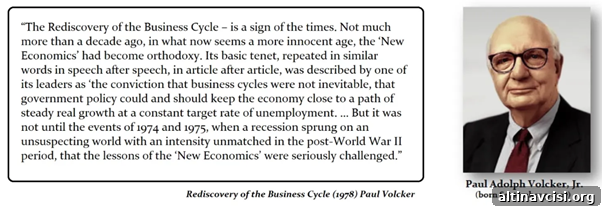
Practitioners who have endured market cycles tend to be skeptical of faculty-lounge theories divorced from trading desks. Historical policymakers recognized the business cycle’s reality. Arthur Burns acknowledged the cycle’s power after the Bretton Woods collapse, and Paul Volcker famously treated it as relentless, noting a roughly seven-year rhythm. Those admissions undermined the comfortable fiction that recessions are optional and policy can easily smooth every downturn. The business cycle exists—and it has consequences.
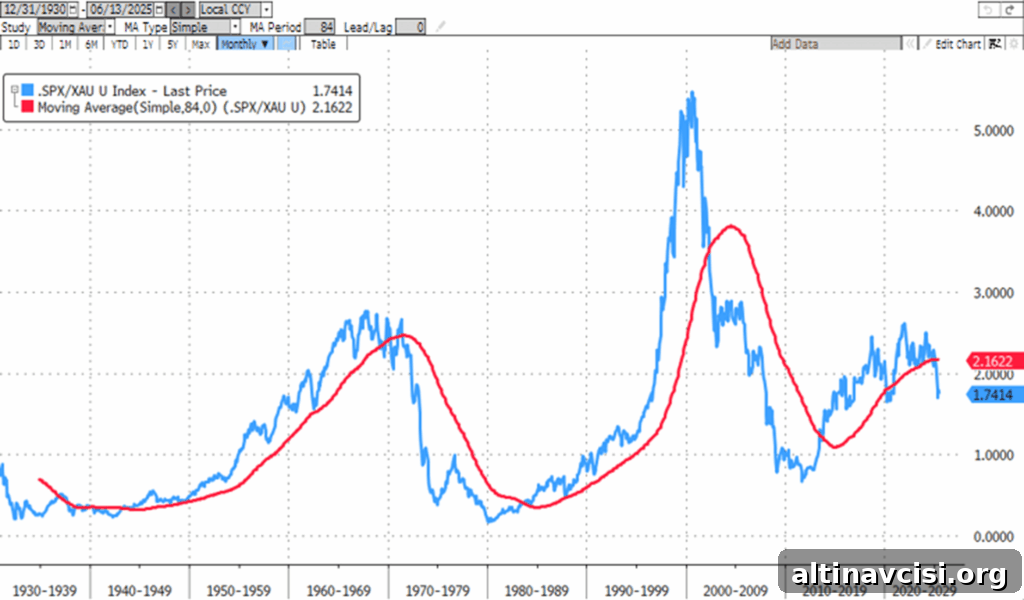
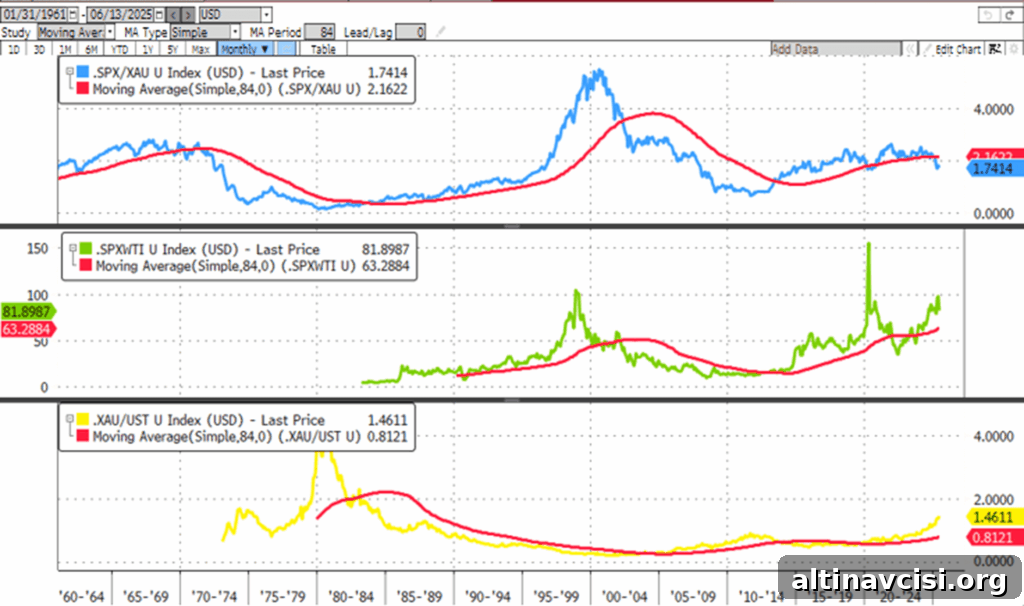
Since January 20, 2025, when the new administration took office, markets reacted quickly. One clear signal: the S&P-to-Gold ratio fell below its seven-year moving average, an indicator with a track record that often outperforms more optimistic narratives. That shift suggests the economy is not on a soft-landing path but preparing for a more difficult phase. Despite upbeat Wall Street charts, the data point is a warning of darker chapters ahead.
S&P 500 to Gold ratio (blue line); S&P 500 to Gold Ratio 7-Year Moving Average (red line).
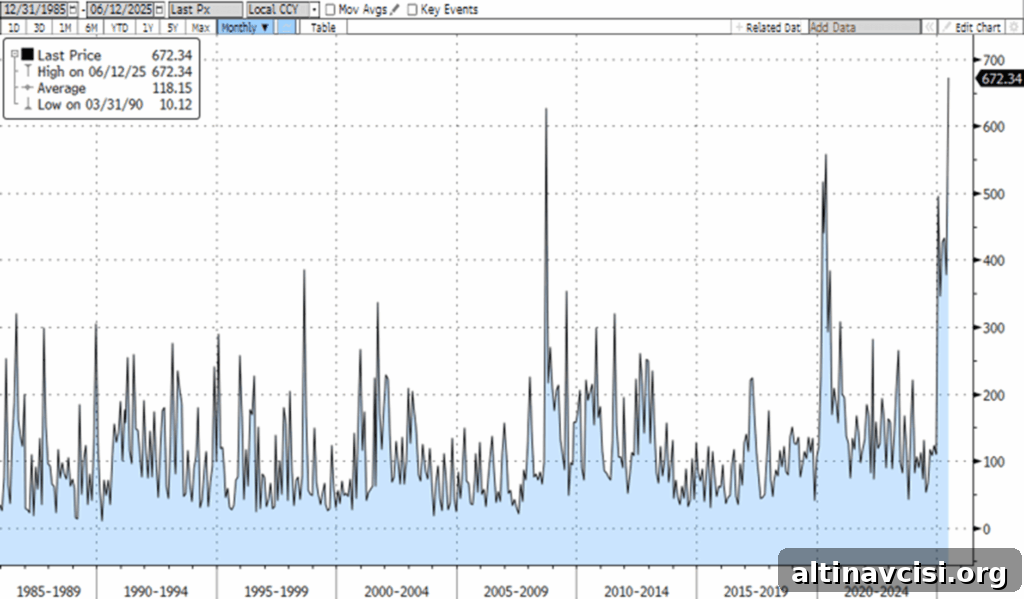
Policy uncertainty has surged to levels that eclipse the drama of earlier administrations. The latest driver: a vague “reciprocal” tariff plan that raised fears of retaliation and broader trade disruption. The Economic Policy Uncertainty Index has spiked as headlines repeat words like “economy,” “deficit,” and “White House.” The resulting uncertainty pushes investors toward assets that do not depend on counterparty trust—chief among them, physical gold.
US Economic Policy Uncertainty Index since 1984.
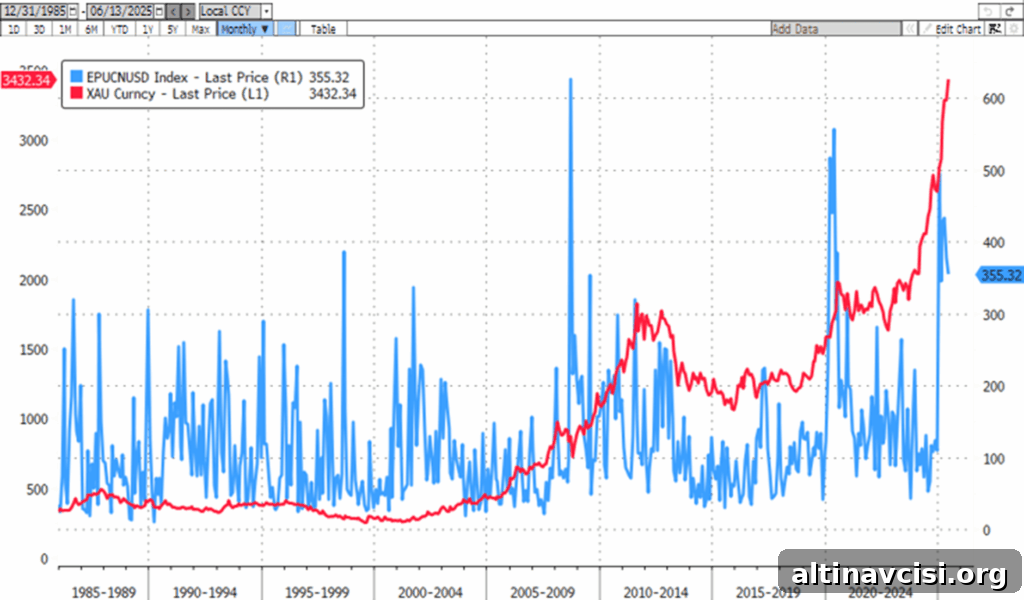
As confidence in U.S. institutions wavers, global investors reassess counterparty risk. Physical gold’s appeal grows because it requires no signatures, bailouts, or central bank reassurance. Historically, gold performs well amid policy and geopolitical turmoil, attracting flows when trust in financial frameworks declines.
US Economic Policy Uncertainty Index (blue line); Gold price in USD (red line).
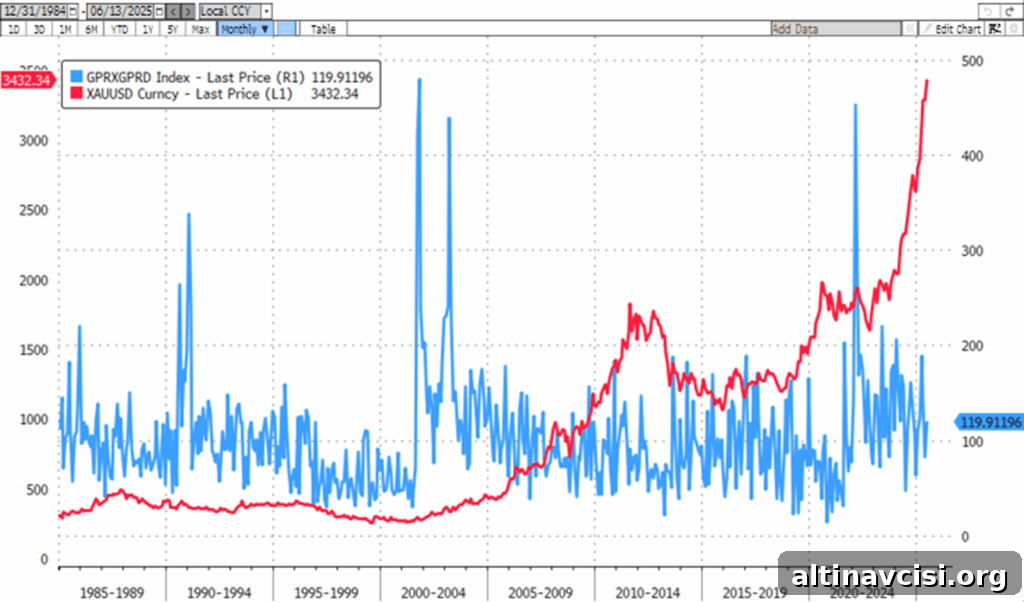
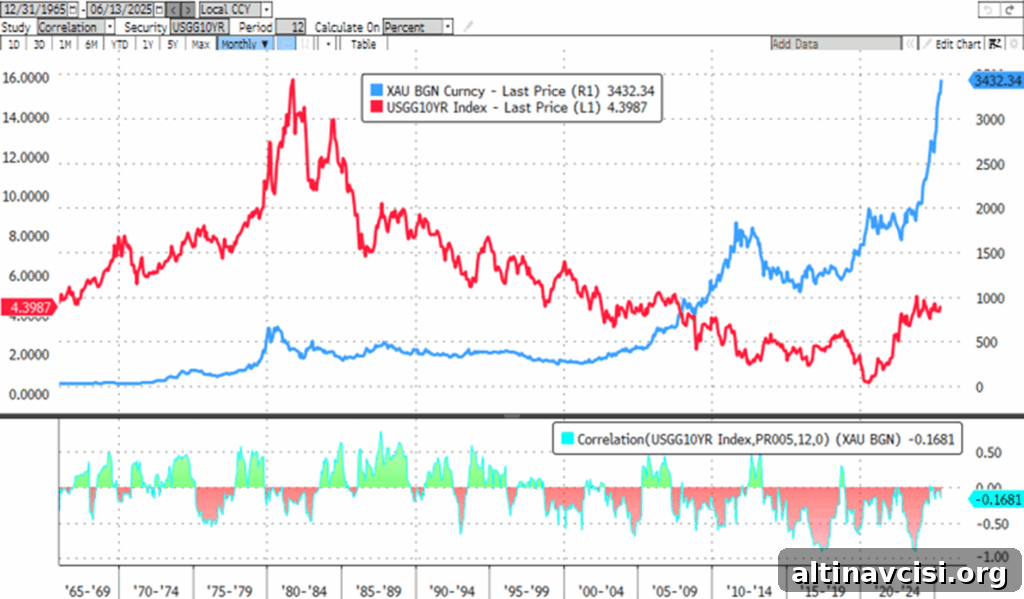
Gold’s relationship with other assets has also evolved. The traditional inverse correlation between gold and US Treasuries unraveled after 2022, when geopolitical events and sanctions changed the nature of sovereign assets. The notion that reserves and Treasuries are untouchable was challenged, adding a new form of risk: political confiscation. That change altered how central banks and reserve managers view the composition of safe assets.
Geopolitical Risk Index (blue line); Gold price in USD (red line).
The post-2022 environment also complicated the old reading that gold’s opportunity cost is the real interest rate. When reserves can be weaponized and fiscal policy skews toward short-term borrowing, confidence in US Treasuries diminishes. For reserve managers in Beijing, Riyadh, and elsewhere, the risk that access to U.S. assets depends on political alignment is now part of the calculus. That ‘confiscation tail-risk’ means investors and central banks demand higher compensation for holding dollar assets, strengthening the case for gold.
Gold Price in USD terms (blue line); US 10-Year Yield (red line) & correlation since 1965.
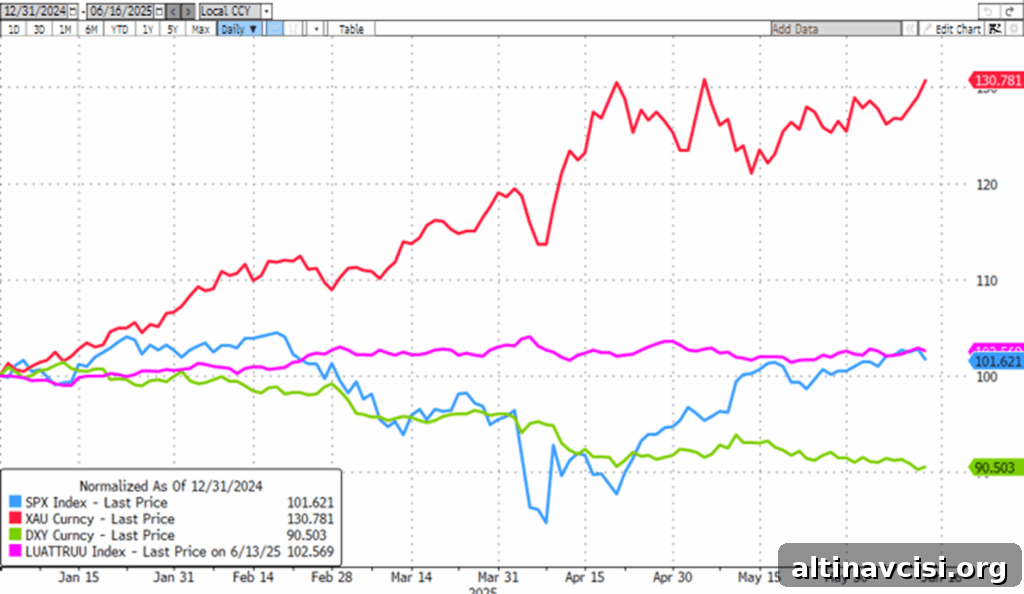
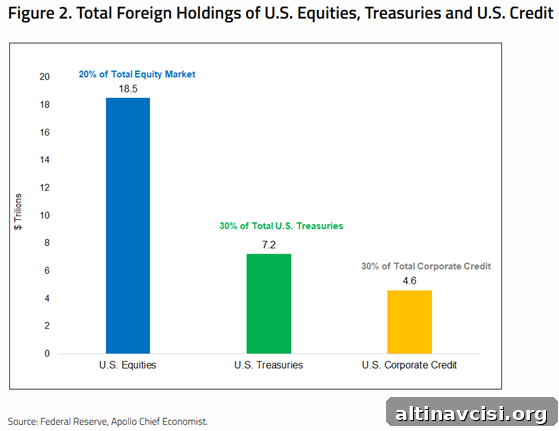
April 2025 illustrated the market’s fragility: stocks, bonds, and the dollar fell together while gold surged. A surprise tariff announcement triggered fears of stagflation and recession, prompting rapid repositioning across asset classes. U.S. Treasuries, once the bedrock safe asset, behaved like a risky instrument in that episode. With trillions of foreign-held U.S. assets and potential currency hedging flows, even small shifts can amplify pressures on yields and the dollar, opening space for a sustained gold rally.
Performance of $100 invested in S&P 500 index (blue line); Gold (red line); USD Index (DXY Index) (green line); Bloomberg US Treasury Total Return Index (purple line) since December 31st, 2024.
Despite a sharp spike to $3,500 per ounce in April followed by algorithmic-driven selloffs, demand—especially from China—remained robust. Chinese physical and ETF flows absorbed a large share of global inflows, underscoring how central bank and private demand can support prices even amid speculative swings. Structural drivers include widening fiscal deficits, a weaker dollar, higher long-term yields, and tariff-driven cost pressures.
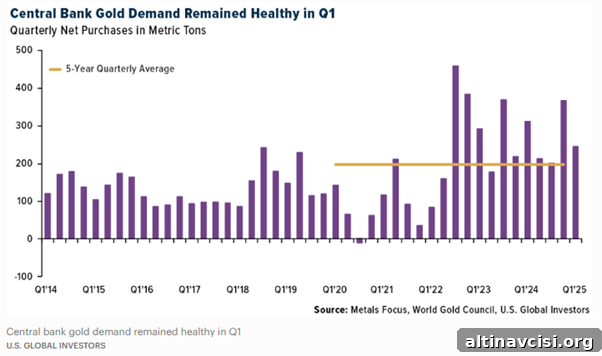
Central banks, particularly in the Global South, have been steadily increasing gold holdings. In Q1 recent data showed central bank purchases well above the five-year average. With over $12 trillion in reserves globally, many countries still hold most assets in dollars, but gold is steadily rising in strategic importance. Emerging market central banks that hold less gold today—China among them—appear positioned to continue building bullion reserves as a hedge against geopolitical and financial risk.
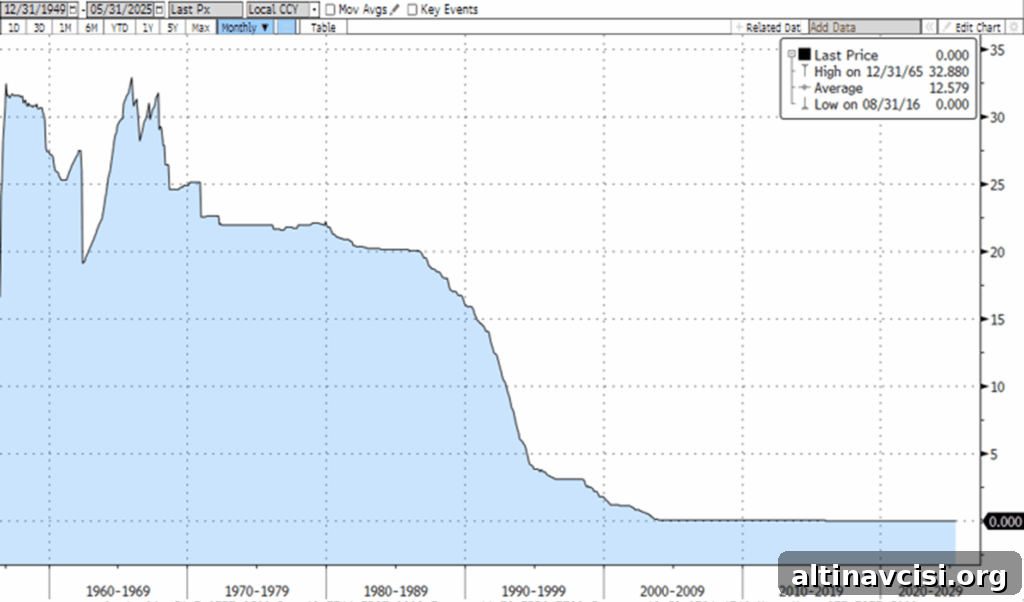
Some advanced economies sold large portions of their gold reserves in past decades. Canada’s long-running divestment left it with minimal holdings, while the UK’s infamous late-1990s sales—executed at a historical low—remain an object lesson in timing and policy mistakes. These episodes contrast with current buying trends among central banks seeking to diversify and protect reserves.
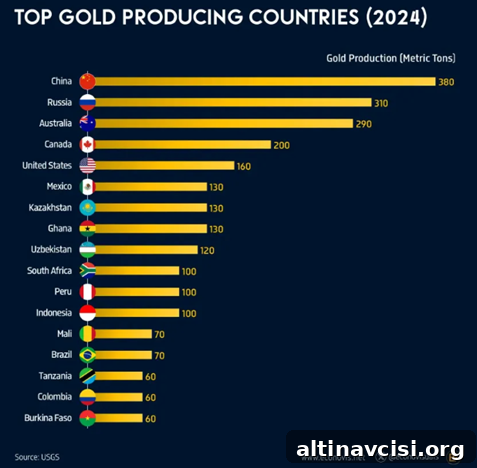
Since 2022, several countries have accelerated bullion accumulation. Producers that also hoard metal create a tight supply-demand dynamic. As global demand from both official and private sectors rises, available bullion becomes more valuable as a reserve instrument and hedge.
Regulatory changes have reinforced gold’s standing. From mid-2025, Basel III modifications elevated gold’s regulatory treatment, allowing certain physical holdings to count more favorably for capital requirements. While fine print from market bodies clarifies limits—allocated, unencumbered physical bars qualify and certain liquidity metrics still apply—the shift signals that global regulators increasingly recognize bullion’s role as high-quality collateral.
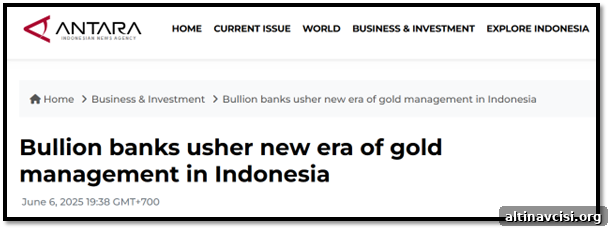
That recognition has fueled growth in bullion banking: specialized institutions offering custody, trading, hedging, and financing in physical precious metals. Once concentrated in London and Zurich, bullion banking is expanding to the U.S., Southeast Asia, and other regions as private and official demand rises. The trend points to a broader re-embrace of tangible assets amid doubts about paper finance.
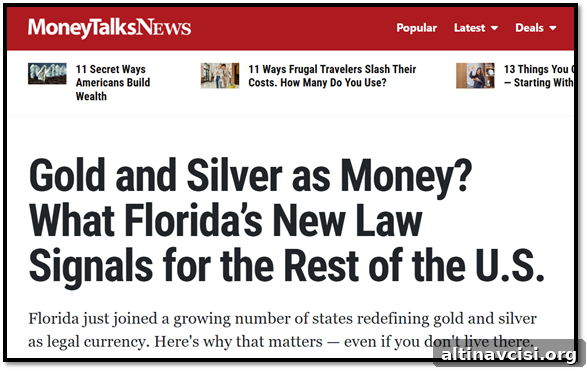
At the state level in the U.S., several jurisdictions have declared gold and silver legal tender, and some have adjusted tax rules to ease bullion ownership. While practical adoption for everyday transactions remains limited, these moves highlight a growing political and cultural appetite for alternatives to fiat currency.
Political and technological elites have reshaped finance and governance in recent decades. The interplay between tech capital, regulatory frameworks, and policy priorities has created new concentrations of influence. These dynamics, combined with chaotic leadership transitions and geopolitical tensions, increase the likelihood of shocks that favor tangible safe havens over purely financial instruments.
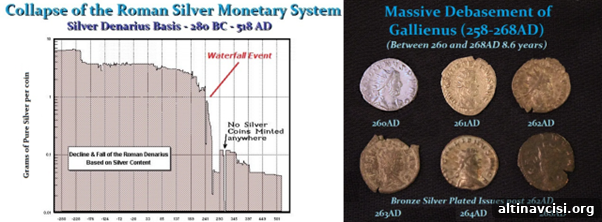
History offers stark monetary lessons. The Roman Empire’s rapid coin debasement, for example, illustrates how political and fiscal collapse erode currency value. Long before modern central banking, rulers manipulated money to fund wars and ambitions, often with catastrophic long-term economic effects. The pattern recurs: inflation, currency debasement, and social unrest intertwine with political crises.
The persistent lesson is that cycles and human incentives shape outcomes. Revolutions, regime changes, and policy swings are recurring features of history. The current environment—rising policy uncertainty, fiscal strain, and geopolitical fragmentation—aligns with scenarios where real assets outperform paper claims.
The practical implications for investors are clear: uncertainty now dominates and traditional playbooks are challenged. Central banks are less able to smooth every shock, and rapid policy shifts can disrupt previously reliable correlations. That argues for prioritizing capital preservation over chasing yield, and for allocating to assets with minimal counterparty exposure.
Why gold? It is antifragile in the sense that it does not rely on promises, contracts, or institutional goodwill. It is historically uncorrelated with stocks and bonds over long periods, and it has a track record of holding value through inflationary and geopolitical stress. Central bank buying provides a structural bid beneath prices, while private demand can amplify rallies.
Recommended positioning includes holding physical gold and silver as core reserve assets, maintaining diversified commodity exposure, and keeping cash management focused on short-dated, high-quality USD instruments (investment-grade corporate bonds under 12 months, T-bills under 3 months) to preserve flexibility. In equities, favor low-leverage, cash-generative businesses—particularly commodity and energy producers—over high-duration growth stories. Shift emphasis from Return ON capital toward Return OF capital.
Key takeaways:
- When uncertainty rules, cycles provide essential signals that spreadsheets often miss.
- Since January 20, 2025, the S&P-to-Gold ratio falling below its seven-year average is a warning that a soft landing is unlikely.
- Tariff risks and political instability are driving demand toward physical gold as a pure counterparty-free store of value.
- US Treasuries lost some of their perceived “risk-free” status after 2022 when sanctions and geopolitics introduced new tail risks.
- Central banks—especially in emerging markets—are increasing gold holdings, reinforcing price support.
- Regulatory shifts under Basel III elevate gold’s capital treatment, encouraging bullion banking and official demand.
- Investors should prioritize capital preservation: physical precious metals, commodity exposure, and short-duration high-quality credit.
- Expect higher volatility and muted inflation-adjusted returns; position for resilience rather than maximal upside.
HOW TO TRADE IT?
As of June 13, 2025, the U.S. remains in an inflationary phase but the S&P-to-Gold ratio has traded below its seven-year average for months—signaling that an inflationary bust could arrive sooner than consensus expects. Stay disciplined: use cycle indicators and market data to anticipate regime changes rather than rely on forward guidance. Avoid long-dated bonds, favor short-duration investment-grade credit and T-bills for cash management, increase exposure to physical gold and silver, and bias equities toward low-leverage, cash-generative companies that benefit from reindustrialization and commodity strength. Expect volatility and plan for capital preservation first.
In short: uncertainty is the defining feature of this cycle. Real assets—especially physical gold—offer protection from policy risk, counterparty failure, and currency debasement. As long as governments play fast and loose with rules and reserves, investors who prioritize preservation and tangible collateral will be better positioned to survive and prosper.
You can find the original version of this article on The MacroButler Substack – https://themacrobutler.substack.com/p/in-chaos-we-trust-with-gold-we-survive