Elon Musk’s silver demand is rising for good reasons. Though he rarely highlights it, many of the industries tied to his companies rely heavily on silver.
From electric vehicles to solar panels — and even some roles in nuclear technology — silver’s distinctive electrical and thermal properties make it indispensable to the green energy transition. Below we explain why silver is becoming a critical industrial metal and how Musk’s vision is helping drive demand.
Silver: The Hidden Engine of Green Tech
Silver has the highest electrical and thermal conductivity of any metal, which makes it difficult to replace in many applications. As investment in green technology grows, so does industrial silver demand. Its properties enable efficient electricity conduction, reliable contacts, and long-lasting components in key technologies.
That explains why Tesla, SolarCity, and other companies in the green-energy ecosystem rely on silver. Without it, much of the infrastructure that supports renewable energy and electrification would be less efficient or more costly.
Electric Vehicles: Driving Up Silver Demand
Electric vehicles use significantly more silver than conventional cars — often two to three times as much. Industry estimates put silver content in an EV at roughly 25–50 grams (0.8–1.6 ounces) per vehicle on average.
With projections of more than 17 million EVs sold globally in 2025, automotive demand for silver is a major factor in rising industrial consumption. Silver appears in many EV components, including:
- Switches, sensors, and control units
- Heated seats, touchscreens, and window controls
- Advanced battery management and charging systems
For Tesla, each Model 3 or Model Y contributes measurable silver consumption. As global EV production expands and Tesla remains a leading manufacturer, this adds sustained upward pressure on industrial silver demand.
Solar Panels: Sunshine Runs on Silver
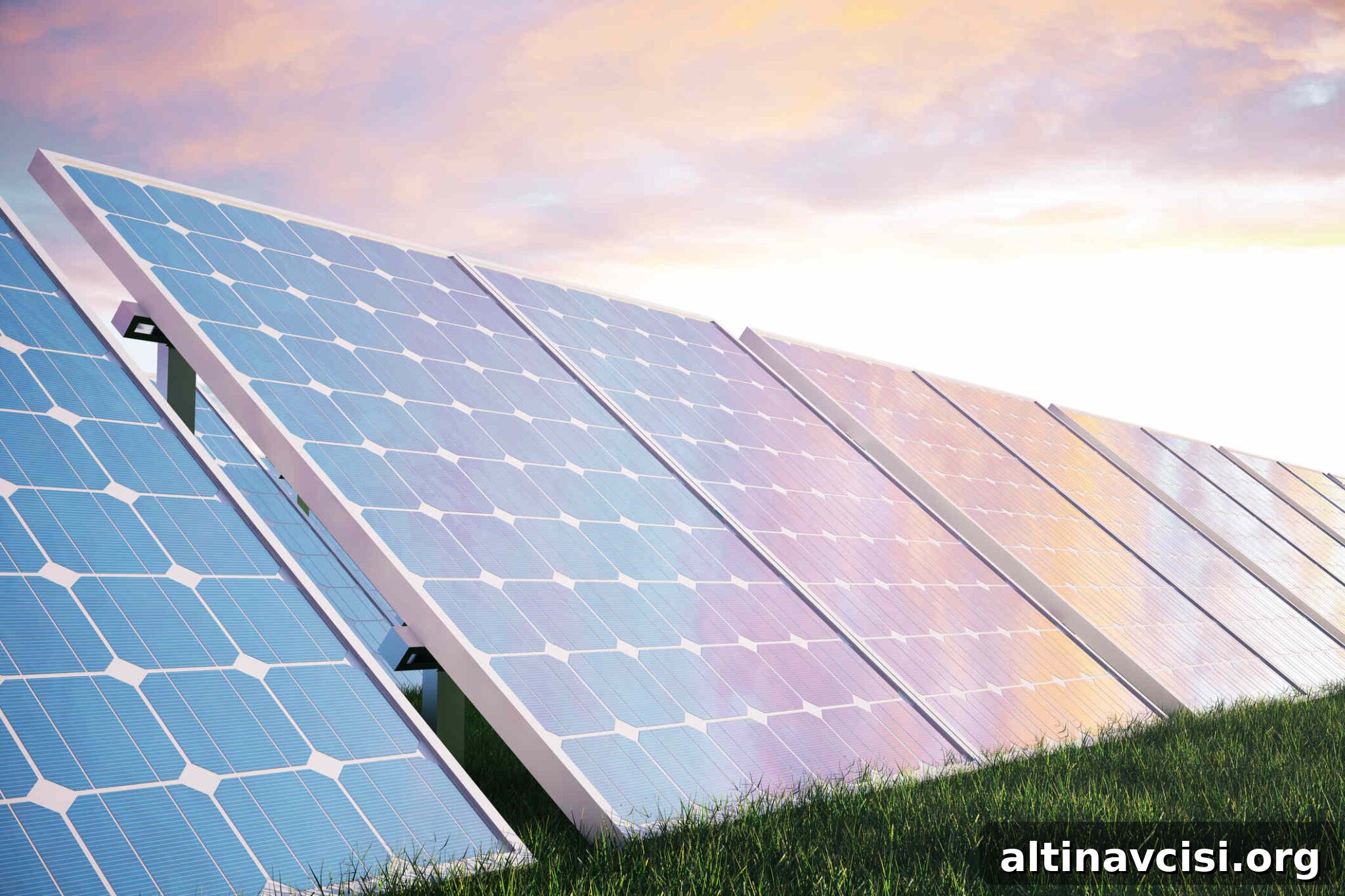
Solar panels are among the largest industrial consumers of silver. Each panel typically uses about 15–20 grams (0.6–0.7 ounces) of silver paste to create efficient conductive paths. While that amount per panel is modest, large-scale deployment multiplies consumption rapidly.
- In 2024, global solar installations added roughly 400 gigawatts (GW) of new capacity, a record year.
- That level of deployment translates into hundreds of millions of ounces of silver consumed annually for photovoltaic manufacturing.
Tesla’s solar ambitions, together with global efforts to expand renewable capacity, are significant drivers of silver demand because few materials match silver’s combination of conductivity and manufacturability in this application.
Get Gold & Silver Insights Direct to Your Inbox
Join thousands of investors who receive expert analysis, market updates, and insights every week.
Nuclear Energy: A Quiet but Vital Role
Silver also plays specific roles in nuclear technology. Silver-indium-cadmium alloys are used in control rods that help regulate reactor behavior. Although each rod contains only modest amounts of silver, the projected expansion and long operational lifetimes of reactors mean cumulative demand over years can be meaningful.
- Industry forecasts anticipate dozens of new reactors coming online globally in the next decade, which adds to long-term industrial demand for silver.
- Replacement and maintenance cycles for reactor components further increase lifetime silver consumption.
Even if not directly tied to Musk’s businesses, nuclear energy sits alongside solar and EVs in the broader clean-energy mix, contributing to rising industrial silver needs.
Industrial Silver Demand Is Surging
Recent data show industrial silver demand reached about 680.5 million ounces in 2024, marking a record for several years running. Key drivers include:
- Solar panel manufacturing
- Electric vehicle production
- AI-enabled and consumer electronics
- Smart grid and power distribution infrastructure
At the same time, silver mine production has struggled to rise at the same pace, producing a structural supply gap that supports the case for higher prices as demand continues to expand.

Invest Now

Invest Now
Invest Now

Invest Now
Innovation Keeps Expanding Silver’s Role
Silver’s applications keep growing beyond EVs and solar. Researchers and manufacturers are exploring new silver-based materials and composites that promise improvements in battery safety, conductivity, and component longevity. These innovations could increase silver’s relevance across multiple industries.
As new uses emerge, existing demand forecasts may need revising upward, since many potential applications are still in development or early commercial stages.
What It Means for Investors: Silver at the Heart of a Green Revolution
Taken together, several structural factors create a persuasive case for silver as an industrially important metal:
- Supply constraints: Mining production is slow to scale.
- Essential material: Silver’s properties are difficult to substitute in many applications.
- Rising demand: Rapid adoption of green technologies accelerates consumption.
- Innovation pipeline: New technologies and materials increase potential future uses.
For observers of the energy transition, silver is more than a precious metal — it’s a material that enables technologies central to electrification and renewables.
Questions We Hear Most Often
What is driving silver demand?
Demand is driven by industries central to the energy transition, including electric vehicles, solar power, and advanced electronics. Companies at the forefront of these industries, including those led by Elon Musk, increase industrial consumption because they deploy silver-intensive technologies at scale.
How much silver does an electric vehicle use?
Industry estimates suggest an electric vehicle contains about 25–50 grams (0.8–1.6 ounces) of silver, roughly two to three times that of many internal-combustion vehicles. Growing EV production therefore represents a large source of new silver demand.
Why is silver important for solar panels?
Each photovoltaic panel uses approximately 15–20 grams (0.6–0.7 ounces) of silver paste to conduct electricity. Large annual installations translate into substantial aggregate silver consumption for the solar industry.
Does nuclear energy increase silver demand?
Yes. Silver plays a role in certain reactor control components. While the amounts per component are modest, the cumulative need across multiple reactors and replacement cycles contributes to long-term industrial demand.
Why is industrial silver demand at record highs?
Industrial demand reached record levels due to rapid expansion in solar manufacturing, EV production, electronics, and grid modernization. These trends have outpaced growth in mined supply, creating a persistent imbalance.
How does innovation affect future silver demand?
New materials and applications — such as silver composites for batteries and advanced electronics — could increase demand further. Emerging innovations suggest current projections may be conservative.
Can silver supply keep up with demand?
At present, mined silver production is not rising quickly enough to match expanding industrial demand. This gap underlies many forecasts that anticipate upward pressure on silver prices if demand continues to expand.