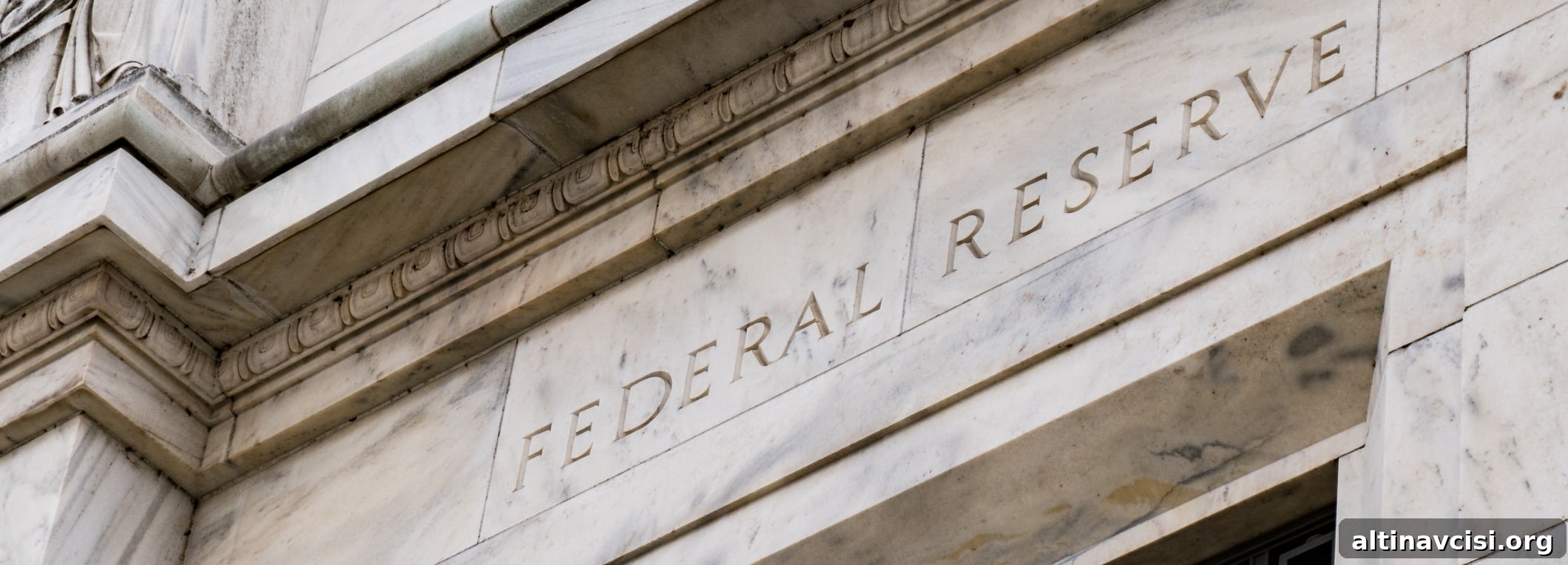
With a vacancy now open on the Federal Reserve Board, the Trump administration is evaluating options to shape the central bank’s future course. Fed Governor Adriana Kugler has announced she will step down earlier than the scheduled end of her term, and the White House is reportedly considering a temporary appointment to fill the remaining five months.
President Trump has repeatedly criticized the Fed for maintaining steady interest rates and is pressing for rate cuts to boost a U.S. economy that shows signs of slowing. The choice to replace Kugler — and the eventual decision about Fed Chair Jerome Powell’s term in 2026 — could influence the central bank’s policy direction during a period of economic uncertainty.
Appointing an interim board member for a short term is one way the administration could alter voting dynamics on the Federal Open Market Committee (FOMC) in the near term. Even a temporary member can participate in discussions and votes on monetary policy, providing the administration with an opportunity to advance a more dovish stance if that temporary appointee favors lower rates.
Beyond the immediate implications, this vacancy highlights the political considerations that often surround Fed appointments. Selection of board members typically factors in experience in economics, banking regulation, and public policy, but administrations also weigh how nominees’ policy views may align with broader economic goals. As such, the short-term appointment could be a tactical move while the White House develops a plan for longer-term nominations.
Monetary policy choices made by the Fed affect inflation, employment, and financial conditions. Market participants will watch closely for signals from any new appointee about rate outlooks, balance sheet policy, and how the Fed intends to respond to evolving economic data. Investors and businesses tend to react quickly to shifts in expected policy, so even temporary changes in the Board’s composition can have noticeable effects on markets.
If the administration pursues a temporary appointment, timing and Senate confirmation procedures will be important. Short-term nominees still generally require Senate approval, and the confirmation process can influence the speed at which the Fed’s vote tallies could change. Lawmakers often debate nominees’ qualifications and policy outlooks, which can further illuminate how future Fed decisions might be shaped.
Looking ahead to 2026, the potential replacement for the Fed Chair remains a focal point for policymakers and market observers. Chair appointments carry significant weight because the chair sets meeting agendas and can exert considerable influence over the Fed’s communication and strategy. Decisions made now about board composition could affect that later leadership transition.
In the meantime, the Fed will continue to monitor inflation measures, labor-market indicators, and global developments as it calibrates policy. Any new board member — temporary or permanent — will join those deliberations and contribute to the collective judgment guiding interest-rate decisions. For the administration, a short-term appointment offers a way to participate in that process during a sensitive period for the economy.