Key Takeaways
- A market correction does not automatically create a good buying opportunity. Dealer premiums over the spot price can erase most or all of the discount, so the product you choose is often as important as the timing.
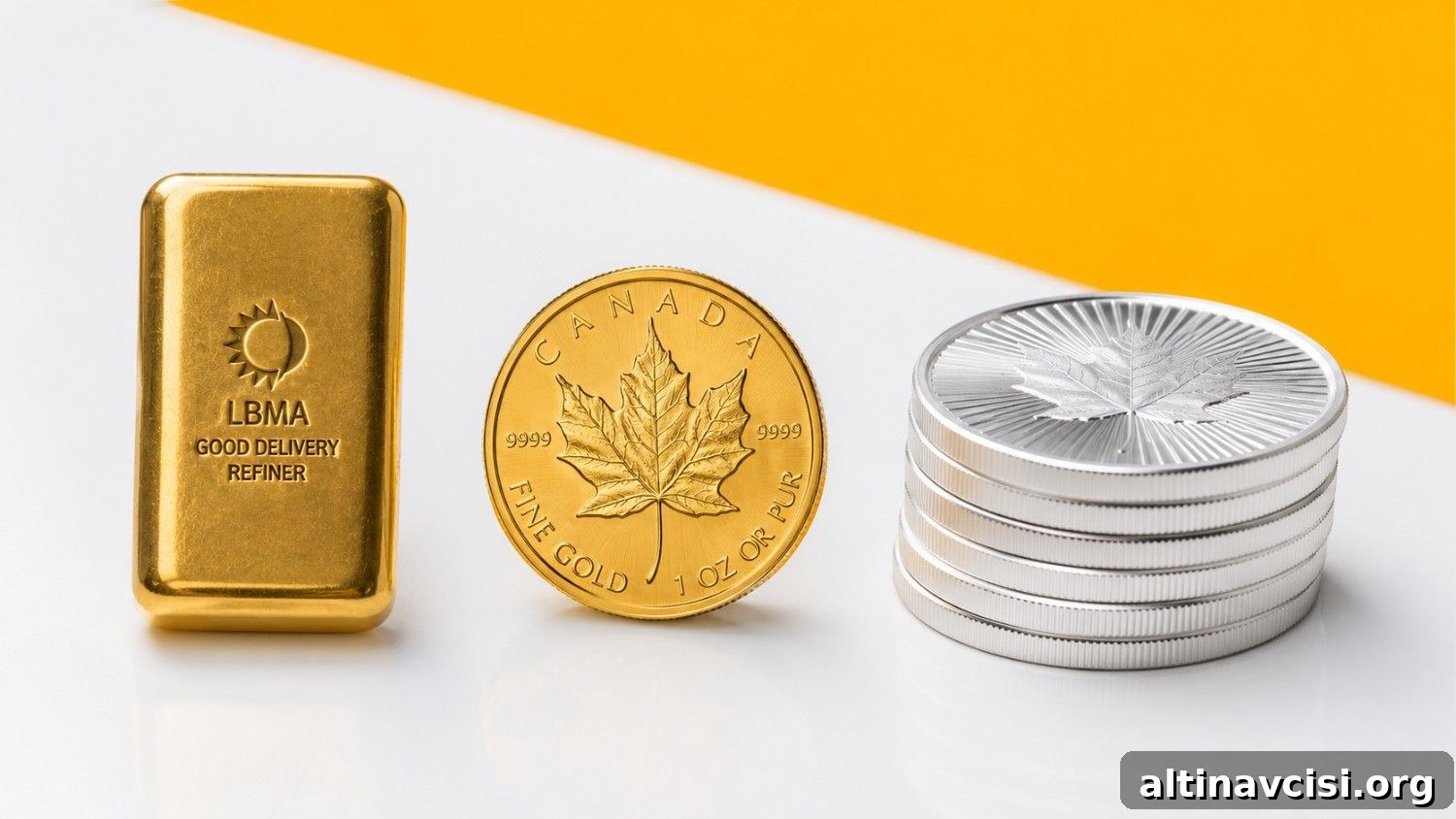
- Gold bars from LBMA Good Delivery–accredited refiners usually carry the lowest premiums (roughly 1.5–3% over spot for a 1 oz bar), making them the most cost-efficient way to add gold ounces in a dip.
- Sovereign bullion coins — such as American Gold Eagles, Canadian Maple Leafs, Krugerrands, and Austrian Philharmonics — cost a bit more per ounce (commonly 3–7%) but offer the broadest and fastest global liquidity.
- Silver’s higher base premiums change the economics. Generic rounds from reputable private mints are the best value for budget-conscious buyers; larger bars (10–100 oz) deliver the lowest per-ounce premiums for aggressive stacking.
- Avoid fractional gold, numismatic coins, and jewelry during a correction: their structural markups compound dealer premiums and work against maximizing ounces per dollar.
Price corrections reveal who understands physical precious metals buying and who responds emotionally. When gold fell roughly 27% from its intraday high in early 2026 and silver dropped more than 50% from its peak, the general instinct to “buy the dip” was sensible. The common mistake was not what to buy. Buying the wrong product at inflated dealer premiums can leave you paying more per ounce than before the correction.
During sharp pullbacks, retail demand often surges. Dealers sell inventory, supply chains tighten, and premiums — the markup above spot — spike. Buying after a small spot decline can still be net expensive if premiums widen. This guide explains which physical formats minimize premium risk, so you maximize the ounces you receive for each dollar.
Typical retail dealer premiums, mid-2026 (ranges shown represent low to high observed premiums across common products).
Range to high
Premium examples (illustrative ranges):
- 1 kg Gold Bar (LBMA): 1–2%
- 1 oz Gold Bar (LBMA): 1.5–3%
- Krugerrand / Philharmonic: 3–5%
- Canadian Maple Leaf: 3–5%
- American Gold Eagle: 4–7%
- Silver Bars (10–100 oz): 3–8%
- Silver Rounds (generic): 5–10%
- Fractional Gold (1/10 oz): 8–15%
- Sovereign Silver Coins: 15–20%
- American Silver Eagle: 15–25%
Premiums can widen sharply during demand spikes; shop around and confirm current quotes.
What Is the Difference Between Spot Price and the Price You Actually Pay?
The spot price is the wholesale market rate for immediate delivery of large standardized contracts traded by institutions. Retail buyers do not participate directly in that market. When you purchase a coin or bar, additional costs are added: refining, minting, assaying, packaging, insurance, shipping, dealer distribution, and margin. Those added costs produce the premium over spot that retail buyers pay.
Because fabrication and distribution costs are similar in absolute dollars regardless of the metal’s price, silver tends to carry higher percentage premiums than gold. In normal markets, typical 1 oz gold bar premiums fall in the 1.5–3% range and common sovereign gold coins run 3–7%. Silver coins often trade with much higher percentage premiums, while silver bars and generic rounds can reduce that share to a lower range.
The Knowledge That Changes Everything
Two concise guides — free. Learn why gold matters as a store of value and what pushes fiat currencies toward lower purchasing power over time.
Are Gold Bars or Gold Coins Better to Buy During a Correction?
Both formats have valid roles depending on whether your priority is maximum ounces per dollar or immediate resale liquidity. Decide which attribute matters more for your circumstances.
Gold Bars: Maximum Ounces Per Dollar
Bars from LBMA Good Delivery–accredited refiners deliver the lowest per-ounce cost because they avoid government mint premiums and extra anti-counterfeit features. A 1 oz bar from reputable refiners often carries a low single-digit premium, while larger sizes compress the per-ounce cost further. During a correction, bars let you buy the most metal for each dollar. To reduce resale friction, favor recognized refiners and sealed assay packaging that confirms purity and weight.
Sovereign Bullion Coins: Deep Liquidity, Slightly Higher Cost
Government-minted coins typically cost more per ounce than bars but deliver immediate recognition worldwide. Coins such as the Canadian Maple Leaf, American Gold Eagle, Krugerrand, and Austrian Philharmonic trade broadly and are accepted without testing by most dealers. That liquidity can be worth a few percentage points in premium, especially for investors who may need to sell quickly through local channels.
What to Avoid: Fractional Gold
Fractional coins (1/4 oz, 1/10 oz) carry substantially higher premiums because fabrication costs are spread over less metal. During a correction, their premiums can spike further as supply tightens. If your goal is maximum metal per dollar, avoid fractional gold during stress periods. If you cannot afford whole-ounce gold, consider generic silver rounds for better metal efficiency.
What Silver Products Have the Lowest Premiums?
Silver requires a separate approach because base premiums are typically higher in percentage terms. Choose formats that minimize fabrication costs per ounce: larger bars and established generic rounds are usually the most efficient choices.
Silver Bars: Lowest Per-Ounce Premium for Stacking
Large-format silver bars from recognized refiners offer the lowest per-ounce premiums. A 100 oz cast bar or a stack of 10 oz bars lowers the fabrication cost share and represents the most efficient path for accumulating silver ounces. The trade-off is lower resale flexibility and higher single-item storage value, so bars suit longer-term holders with secure storage options.
Generic Silver Rounds: Best Balance of Price and Flexibility
Generic silver rounds are privately minted 1 oz pieces that avoid government mint premiums. Rounds from established mints typically trade at noticeably lower premiums than popular sovereign silver coins, while offering divisible, easy-to-sell units. For many investors stacking silver during a correction, rounds represent the best mix of lower premium and practical liquidity.
Sovereign Silver Coins: Pay Up for Liquidity
Sovereign coins like the American Silver Eagle and Canadian Maple Leaf carry higher premiums but buy you immediate, global liquidity and dealer recognition. If part of your objective is rapid convertibility without testing, the liquidity premium can be justified. If pure cost efficiency during a dip is the goal, rounds or bars are generally the smarter choice.
Which Physical Precious Metals Should I Avoid During a Correction?
Three categories commonly disappoint buyers who enter during corrections:
Numismatic and Rare Coins
Collector coins derive value from rarity, condition, and collector demand rather than metal content. Their prices follow collector markets, not spot. During a correction, stick to standard bullion coins that trade at or near metal value.
Jewelry
Jewelry includes retail design markups, sales taxes in many jurisdictions, and dealer margins. Resale typically returns melt value after refining costs, which is usually less favorable than bullion products. Jewelry is a consumption item, not an efficient form of bullion investment.
Fractional Gold Coins in High-Demand Conditions
Fractional gold becomes scarce faster than full-ounce products in demand spikes, driving premiums even higher. Avoid fractional sizes when pursuing the greatest metal per dollar during market corrections.
How Do I Calculate Whether I’m Getting a Fair Price?
Calculate the premium by taking the dealer’s quoted price, subtracting the current live spot price, and dividing the difference by the spot price. That percentage is the premium. Compare it to typical ranges for that product. If gold premiums exceed about 8% or silver premiums exceed about 20% in your market, get additional quotes or consider a different product format.
Also ask whether the combined effect of the spot decline plus the premium you pay still results in a better effective price than you could have obtained in calmer markets. If not, you have not truly “bought the dip.”
Buy From Refiners With Established Resale Liquidity
Choose bars and rounds from recognized refiners to avoid assay requirements at resale. For gold, LBMA Good Delivery stamps are the industry standard. For silver, established refiners and high-volume private mints create practical secondary-market recognition that eases resale.
What Is the Sound Money Case for Buying Physical Metal During a Correction?
Why the Structural Case Survives a Price Drop
Short-term corrections are normal and driven by transient factors like rate expectations, margin selling, or profit-taking. The long-term argument for holding physical metal rests on broader trends: central bank demand, constrained supply dynamics, and the gradual erosion of fiat purchasing power. Those structural drivers typically do not vanish because spot prices temporarily decline.
The Constraint: Premium Management
Buying during a correction can increase the ounces you own per dollar, but only if you control the premium. Prioritize formats with low premiums, verify the refiner or mint, confirm live spot prices before transacting, and compare multiple dealer quotes. Doing so captures the real benefit of buying in a dip.
Stay On Top of Gold & Silver Prices
Get important market alerts sent straight to your inbox.
Live price widget removed for security. Check dealer quotes for the latest spot and premiums.
Email signup form omitted in this version.
People Also Ask
Yes. In the United States, physical gold and silver are treated as collectibles for tax purposes. Long-term gains on collectibles can be taxed at a higher maximum rate (up to 28%) than the typical long-term capital gains rates that apply to many other investments. Short-term gains (held under one year) are taxed as ordinary income. Keep careful purchase records — date, price, and premium — to establish your cost basis.
It depends on your objective. Gold tends to be lower volatility with tighter premiums and deep institutional liquidity. Silver offers more ounces per dollar and can present greater upside if its ratio with gold compresses, but it carries higher percentage premiums and larger swings. Many investors hold both: bars or large-format silver for efficiency, and sovereign gold coins for liquidity.
Yes. Premiums have spiked dramatically during past demand surges, sometimes pushing effective cost per ounce above prior levels despite a lower spot price. That is why product selection and comparing dealer quotes matter as much as timing.
Staggering purchases (dollar-cost averaging) reduces the risk of buying at a temporary bottom and can improve your average cost if prices keep falling. The downside is paying slightly higher per-unit premiums with smaller, repeated buys, since many dealers offer discounts for larger orders.
For sealed bars from recognized refiners, the tamper-evident assay card is primary verification. For unsealed bars or secondary-market purchases, consider non-destructive electronic verifiers, precision scales to confirm weight, and working with reputable dealers who provide provenance. Avoid sellers who cannot document origin.
SOURCES
1. GoldSilver — Gold spot price vs. premium explained; Best silver for liquidity; Silver bullion buying guidance (mid-2026).
2. LBMA — Information on Good Delivery and the current accredited refiners list.
3. MetalCharts — Bullion coin premium tracking (May 2026).
4. FindBullionPrices — Live premium tracking and best silver prices (July 2026).
5. MintedMetal — Analysis of best gold coins to buy (April 2026).
6. World Gold Council — Central bank demand and annual gold data (2025).
7. Silver Institute — World Silver Survey 2026 and multi-year supply data.
8. U.S. Treasury Fiscal Data — Federal interest payments and fiscal statistics (accessed mid-2026).
Disclaimer: This article is informational and does not constitute financial or investment advice. Consult a qualified financial adviser before making investment decisions.
You May Also Like:
- Gold Is Down 26%. Silver Is Down 51%. What Does the Stacker Do Now?
- Gold Allocation Calculator: How Much Should Your Portfolio Actually Hold?
- What Is the Gold Volatility Index (GVZ) — and What Does It Mean for You?
- Gold & Silver Market Correction: Is the 2026 Bull Market Over?
- JPMorgan Cut Its Gold Forecast by 25%. Here’s What Long-Term Holders Need to Know.
- Why HSBC Still Believes Gold Hits $4,750 by Year-End (And What the Mainstream Is Missing)
- State Street Predicts $5,500 Gold by Q1 2027: Is the Dip Over?