For buyers of gold and silver bullion, one of the most important questions is: where should you store your metals? Taking physical delivery of gold or silver is often the most rewarding part of the purchase, because it gives investors a tangible connection to real monetary assets. That tangibility, however, brings a risk: theft. Even modest amounts of bullion can attract burglars, and the more visible or widely known your holdings are, the greater the risk.
Not everyone can afford a high-quality safe, and in some circumstances a visible safe can even increase risk by signaling the presence of valuables. Ordering, installing, or advertising a safe may unintentionally reveal a stash. That makes choosing the right storage approach a vital part of protecting your investment.
As an experienced bullion dealer, GoldSilver often takes physical delivery and also recommends considering secure storage options for additional purchases. We and many customers combine personal possession with vaulted storage solutions to balance accessibility and security.
Because we favor taking physical delivery, we gathered a variety of discreet storage ideas based on anonymous customer suggestions. These examples are intended to spark creativity and highlight many possible approaches to concealment—nothing here is an endorsement or a guarantee of safety.
GoldSilver.com does not recommend or endorse any specific storage solutions listed here.
The ideas below are meant to inspire and illustrate the range of options available to stubbornly creative investors.
Common sense also applies: sensible bullion owners should not publicize the location of their stores on social media or anywhere that could tip off thieves.
The safest bullion reserves are those that are diversified across locations, known to as few people as possible, and not advertised to friends, acquaintances, or strangers. As Gandalf said about the One Ring: “Keep it secret, keep it safe.”
Protect Your Gold & Silver Against Damage
Whether you own government-minted coins or bullion bars, most of their value comes from their metal content rather than appearance. Even so, some precautions help maintain condition: gold is soft and malleable; silver tarnishes over time.
Use protective sleeves, cases, tubes, or lining materials to prevent scratches, dents, and oxidation. Store coins and bars in airtight or low-oxygen containers when possible, and handle bullion with lint-free gloves or plastic tweezers to avoid fingerprints and oils. It’s easier to avoid contamination than to remove it later.
Choose an Ideal Concealment Container
Below are practical and creative ideas for concealing gold and silver. These range from simple household options to outdoor solutions. Consider combining multiple methods to spread risk.
Cold Gold: The Freezer
Freezers are nearly universal, simple to use, and don’t require structural changes to your home. Concealing bullion inside sealed food containers—such as empty ice cream tubs or wrapped poultry packaging—adds an inconspicuous layer of protection and offers some fire resistance. Freezers are seldom targets for theft, making them a useful secondary storage location. Always ensure metals are well-wrapped and do not mix with actual food intended for consumption.
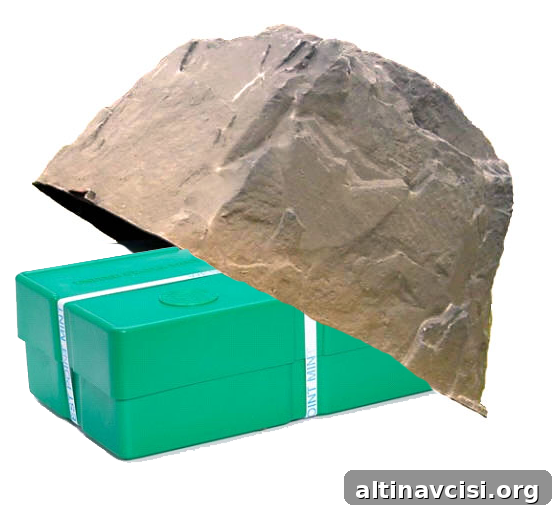
Valuable “Rocks”
Camouflaging a stash as part of the landscape is a time-tested strategy. Artificial hollow rocks are available in many sizes and colors and can conceal dozens to hundreds of ounces. They blend in outdoors, are effectively fireproof, and are inconvenient for thieves to access quickly.
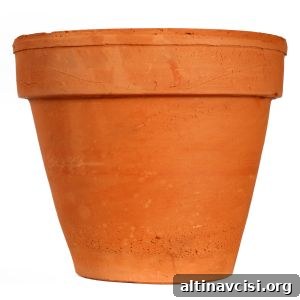
Silver Soil: Gardening Pots
Large, heavy gardening pots can be modified with hidden compartments in their bases. The weight and mass of filled pots make them difficult to remove quickly, while the soil provides a thermal barrier that helps with fire protection. Waterproofing your metals before placing them inside is essential. Larger pots can accommodate multiple coin tubes or several bars.
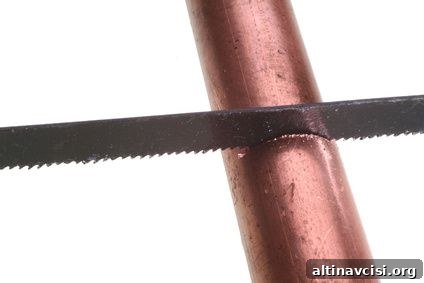
Prized Pipes
Old, unused pipes—whether gas or water lines—offer discreet cavities for small items. Capped pipe ends or hollowed sections can conceal coin rolls or small bars. Because burglars are unlikely to inspect a household’s entire plumbing quickly, pipe hiding places can be effective. Use secure caps and take care not to interfere with any active systems.

Golden Flames: The Fireplace
Concealing a compartment within a fireplace’s masonry or hearth creates a fireproof storage space integrated into everyday living areas. Rooms associated with relaxation are often overlooked by thieves. Building and sealing a custom cavity in the fireplace requires some masonry work but yields a discreet and durable hiding spot.
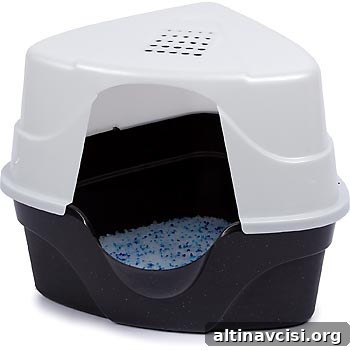
Precious Pets: Pet Beds or Litter Boxes
Pet beds and litter boxes often have multiple layers or hollow spaces that can hide items from casual inspection. Reinforce the internal container so it won’t be damaged by pets, and reassemble the bedding or litter area to look natural. The scent and appearance of these items typically discourage thieves from examining them closely.
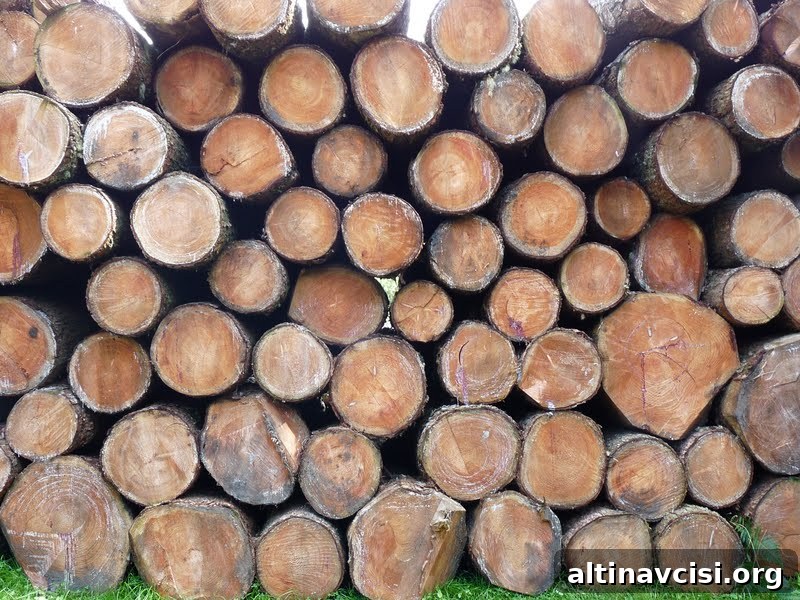
Wooden Logs
In rural or wood-burning households, drilling a hollow inside a large log creates a subtle, natural hiding place. Logs in a stacked pile are common and rarely inspected in detail. Ensure the hollow is well-sealed and waterproofed to protect metals from moisture.

Treasure Map
If you use multiple storage sites, create a clear, private map or set of instructions for emergencies or for close family members who need to know the locations. Keep such documentation extremely secure and share it only with trusted individuals.
Anti-Detection Box for Hiding Gold From a Metal Detector?
There is no reliable container that will consistently block a metal detector. Burglars rarely carry these devices, so hiding cleverly is usually more effective than attempting to shield metal from detection. If you bury bullion, burying deeply—past typical detector range of about two feet—reduces detection risk but makes recovery harder. Iron can mask signals but must completely surround the stash, which can be impractical and obvious if discovered.
How Often Should I Check to See if My Silver Has Tarnished?
Tarnish on silver is normal. High-purity silver bullion (99.9% pure) tarnishes less and more slowly than lower-purity silver alloys. The rate of tarnishing depends on storage conditions: heat, humidity, and air exposure accelerate it. Store silver in cool, dry, low-oxygen environments if possible.
If stored properly, an annual inspection is often sufficient. If tarnish appears, use a soft polishing cloth; jewelry cleaners may be used sparingly, and avoid aggressive scrubbing that could damage the metal.
Final Thoughts on How to Hide Your Gold and Silver
Most storage solutions can be tailored to individual security needs and living situations. Diversifying storage locations reduces risk and increases peace of mind. Don’t restrict yourself to a single site—consider both indoor and outdoor options to spread exposure.
Your imagination is the only real limit when designing secure storage. Be flexible, use multiple locations, and aim to keep holdings secret. Often the best hiding places are in plain sight: burglars tend to check obvious hiding spots before looking under pet beds or behind paint cans.
We hope these ideas inspire secure, practical approaches for stashing your gold and silver. Stay thoughtful about security and keep your holdings as discreet as possible.