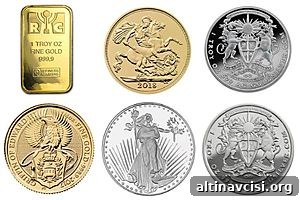
The metric system, or International System of Units (SI), is the standard measurement system in most of the world. However, precious metals like gold and silver are traditionally weighed in the troy ounce, a unit that is distinct from the metric system and from the common avoirdupois ounce used in everyday U.S. measurements.
What is a troy ounce, and how does it differ from the regular ounce used in America?
The Troy Ounce vs. the Avoirdupois Ounce
The troy ounce is the standard unit for weighing precious metals. One troy ounce equals 31.103 grams, while the common avoirdupois ounce equals 28.349 grams. Because a troy ounce contains more grams, it is heavier and therefore represents a larger weight than the everyday ounce.
Troy Ounce > Avoirdupois Ounce
A troy ounce is roughly 10% heavier than an avoirdupois ounce. To convert an avoirdupois ounce to troy ounces you can divide by about 0.91; conversely, one troy ounce equals approximately 1.0971 avoirdupois ounces.
Troy Pound < Avoirdupois Pound
The two systems also use different definitions of a pound. A troy pound contains 12 troy ounces, while an avoirdupois pound contains 16 avoirdupois ounces. That difference can cause confusion when converting between the systems, but each system follows its own established standard.
In the United States the avoirdupois system is used for most everyday weights—groceries, body weight, packaged goods—whereas the troy system is reserved for precious metals and gemstones. When people casually say “ounce” they are usually referring to the avoirdupois ounce; when dealing with bullion, dealers and markets use the troy ounce.
History and Usage Today
The troy weight system likely traces back to the medieval French city of Troyes, a trading center where merchants adopted standardized measures to simplify commerce. Elements of the system also reflect practices from the Roman monetary system. Roman currency included a heavy bronze bar called aes grave equal to one pound, and that pound was divisible into 12 units called unciae, an origin often cited for the 12-ounce troy pound.
Troy weights were used across parts of Europe before metrication. The troy ounce was established in England by the 1400s and was formally adopted in the early 1500s. The modern troy ounce used today is essentially the same as the historical British Imperial troy ounce.
Because the troy system is dedicated to precious metals and gemstones, gold and silver markets worldwide price and trade bullion by the troy ounce. In contrast, the avoirdupois ounce is used for ordinary goods and daily measurements.
Buying and Selling Precious Metals in Troy Ounces
Gold and silver market prices are quoted in troy ounces. Using a single, consistent unit of measure contributes to liquidity and clarity in the precious metals markets—investors and dealers around the world rely on the troy ounce, so there is no need to convert to other weight systems when buying or selling bullion.
Understanding that gold and silver are measured in troy ounces is a basic but important step for anyone interested in precious metals investing. When shopping for bullion, product weights and market quotes are typically stated in troy ounces so you can directly compare prices and determine value without additional conversions.
If you are building a bullion portfolio, look for listings that clearly state weights in troy ounces to ensure accurate comparisons and pricing. Whether buying or selling, using the troy ounce standard helps ensure you know precisely what weight you are transacting in.