What a Gold Revaluation Could Mean for the U.S. and the Dollar
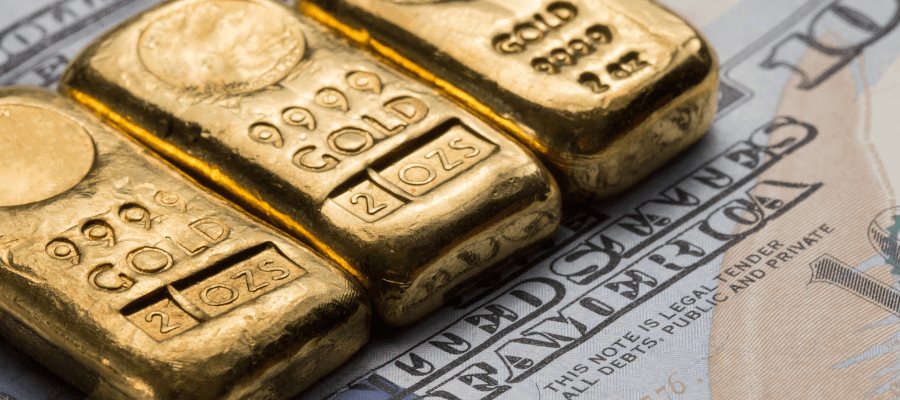
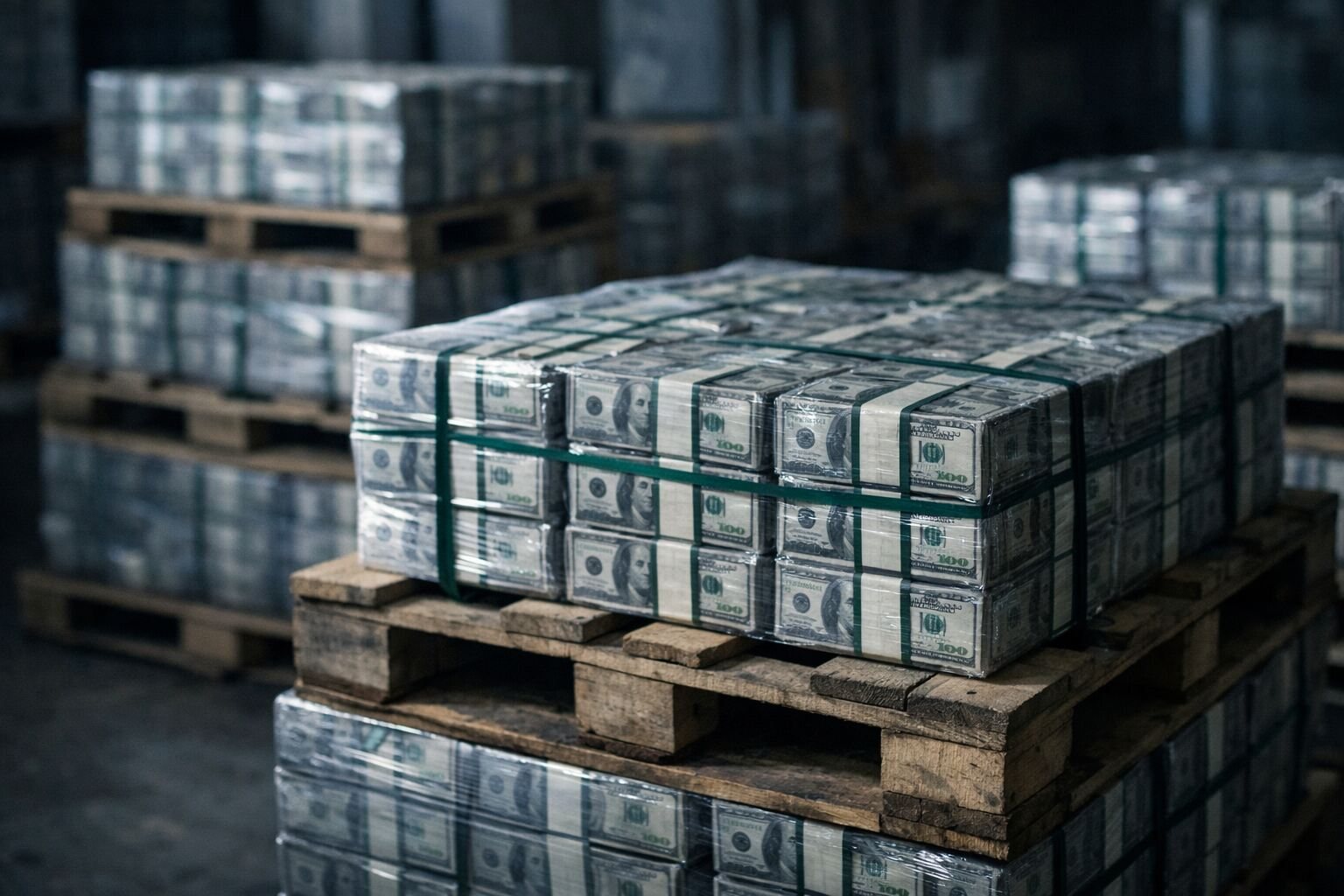
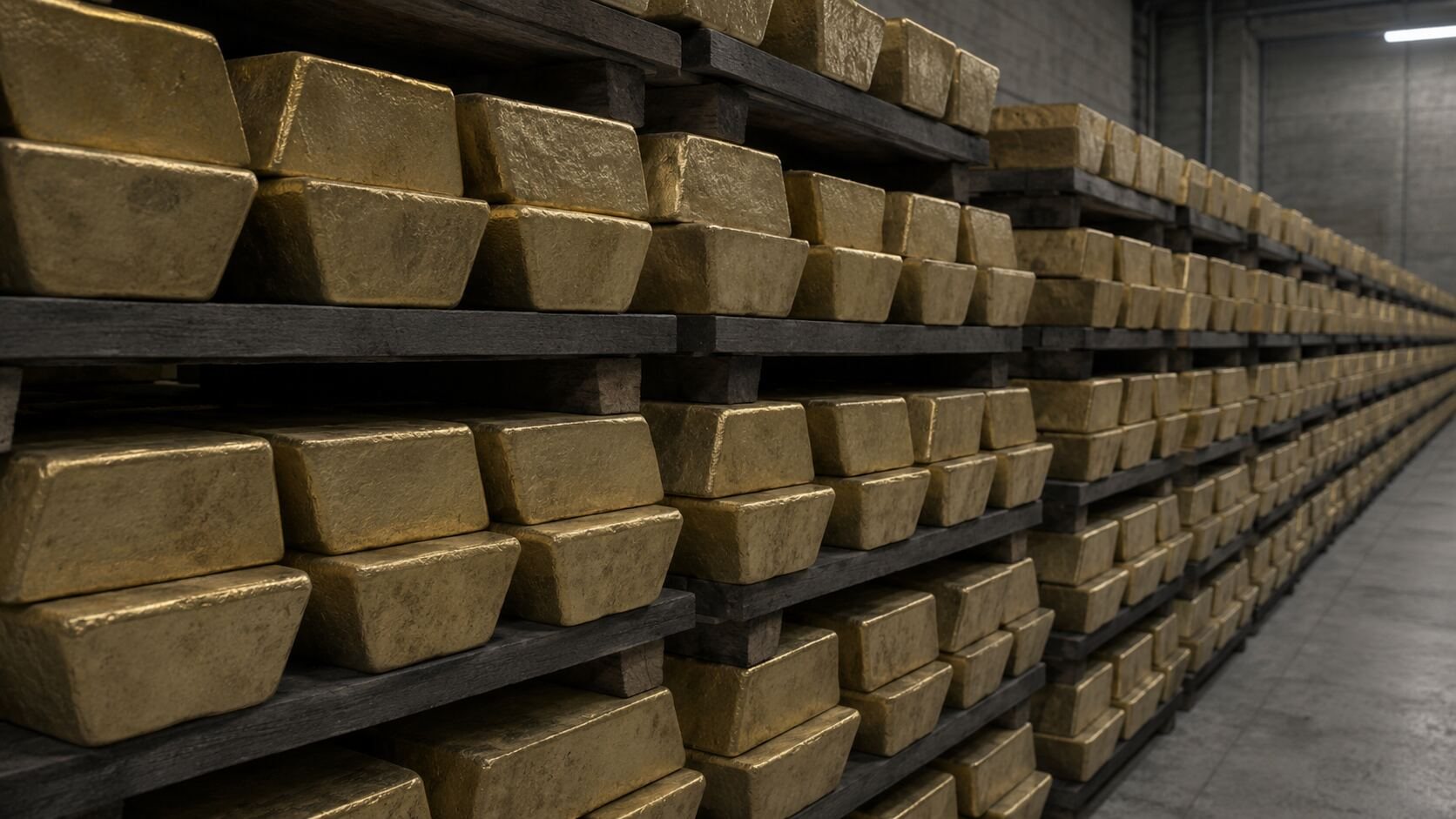
The U.S. government officially owns over 8,100 tonnes of gold—the largest gold reserve in the world. But surprisingly, it still values this gold at an outdated price of $42 per ounce, a number set back in the 1970s. This undervalues its gold holdings on paper at just $11 billion, while in reality, at today’s prices (over $3,000/oz), they would be worth closer to $765 billion.
So why hasn’t the U.S. updated its gold valuation? Because a gold revaluation would send a clear message: the U.S. dollar has lost significant value. That’s not something policymakers are eager to admit.
Still, during Trump’s presidency, there was some talk about revisiting this outdated policy. A revaluation could give the U.S. Treasury a one-time financial boost by instantly increasing the value of its gold reserves.
This opens the door to a provocative thought experiment: what if countries like Australia did the same? Australia sits on 9,500 tonnes of unmined gold—17% of the world’s underground reserves. If it chose to mine and store this gold, it could theoretically surpass the U.S. in bullion holdings.
Gold miners use a key measure called the all-in sustaining cost. It accounts for all the expenses involved in mining and processing gold. On average, this cost is about $1,200 per ounce across global operations.
Now, with a conservative gold price of $3,000 per ounce, Australia’s 9,500 tonnes of untapped gold could be worth around $600 billion USD, or roughly $940 billion in Australian dollars.
In the context of a potential gold revaluation, that buried treasure could take on even greater importance—highlighting the hidden wealth lying beneath Australia’s surface.
Investing in Physical Metals Made Easy

Get Gold & Silver Insights Direct to Your Inbox
Join thousands of smart investors who receive expert analysis, market updates, and exclusive deals every week.