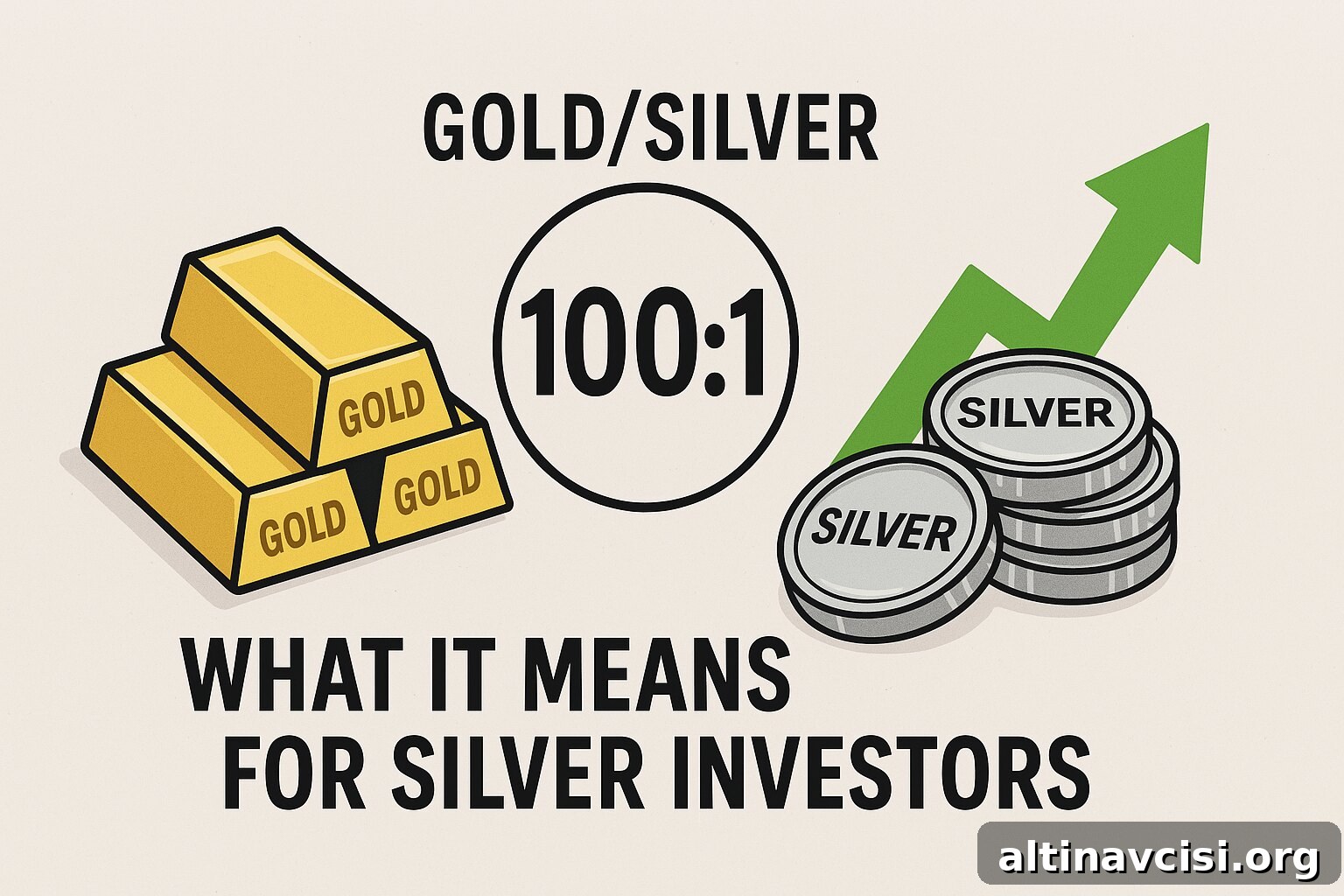
The gold-to-silver ratio has just reached a rare and noteworthy milestone: 100:1. In practical terms, that means it takes 100 ounces of silver to purchase a single ounce of gold. This extreme reading is uncommon in modern markets and has historically signaled a potential opportunity for silver investors.
For those who track precious metals, this move stands out because the ratio has spent most of recent decades between roughly 40:1 and 80:1. Historically, when both metals served as currency, the ratio hovered around 15:1. The current 100:1 level marks a significant deviation from long-term norms.
Understanding the Gold to Silver Ratio
The gold-to-silver ratio measures how many ounces of silver are needed to buy one ounce of gold. It functions as a simple barometer of relative value between the two metals. When the ratio rises sharply, it indicates silver is weak relative to gold; when it falls, silver is outperforming gold.
In recent history, readings above 80:1 are often interpreted as silver being undervalued versus gold, while readings below 40:1 suggest silver is relatively strong. That context helps explain why market participants pay close attention as the ratio reaches extreme levels like 100:1.
Gold to Silver Ratio 2005-2025
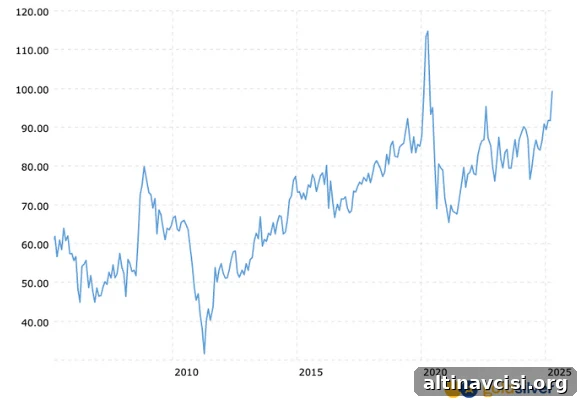
Extreme ratio readings have often preceded significant market moves. While each episode differs, large divergences between gold and silver have historically corrected as one metal catches up or the other retraces. That dynamic is why a 100:1 reading draws attention from both long-term investors and traders.
When a Gold to Silver Ratio 100:1 Happens, Pay Attention
A 100:1 ratio is rare. Since 2000 it has appeared only a few times, including during the March 2020 market turmoil. In that episode, investors who bought silver near its lows saw substantial gains when silver rebounded later that year. While past performance does not guarantee future results, history shows these extremes can present attractive entry points for patient investors.
Typically, extended extremes do not persist indefinitely. Markets tend to move back toward more typical ranges, either by silver appreciating faster than gold or by gold easing while silver holds steady. That reversion process can create profitable opportunities for those who take a measured view.
Why Is Silver Lagging So Far Behind?
Several factors help explain silver’s relative weakness:
- Different roles: Gold is widely viewed as a monetary hedge and safe haven, while silver combines monetary properties with substantial industrial demand. Economic slowdowns or manufacturing weakness can weigh more heavily on silver.
- Institutional flows: Large institutions and central banks have tended to favor gold over silver, which reduces upward pressure on silver prices when demand for safe-haven assets rises.
- Supply and demand mismatch: While industrial demand for silver is growing—driven by electronics, solar panels, and electric vehicles—investment demand has not matched gold’s strength in recent periods, contributing to the divergence.
Given these dynamics, many analysts view the 100:1 ratio as evidence that silver is undervalued relative to gold on a historical basis. That valuation gap underpins the argument for potential silver outperformance if market conditions change.
What This Could Mean for Silver Investors
If the ratio reverts toward recent historical averages, silver could see meaningful gains relative to gold. For example, a move from 100:1 back to a modern average around 60:1 implies silver would need to appreciate significantly versus gold. A return to 40:1, typical of strong silver bull markets, would imply an even more pronounced rally.
These scenarios are not predictions but illustrate why contrarian investors monitor ratio extremes closely. When an asset departs significantly from its historical relationship, reversion forces often create investment opportunities for those willing to accept the associated risks.
How Might You Play This Opportunity?
Investors considering exposure to silver during this rare ratio level typically choose among a few approaches:
- Direct ownership: Buying physical silver—coins or bars—provides direct exposure and is preferred by many long-term holders who value tangible assets.
- Ratio trading: More active traders sometimes exchange some gold for silver to capture potential reversion profits. This requires skill in timing and risk management.
- Gradual accumulation: Dollar-cost averaging into silver holdings over time reduces the risk of poor timing and builds exposure while prices appear historically cheap relative to gold.
Potential Risks to Consider
While the ratio suggests opportunity, several risks merit consideration:
- Extended timeline: Reversions can take months or years. Investors should be prepared for multi-year timeframes.
- Economic cycles: A deep global recession could suppress industrial demand for silver even as gold retains safe-haven appeal, delaying any silver rebound.
- Technical factors: Price action can be slowed by resistance levels and market structure, meaning gains may not be smooth or immediate.
The Bigger Picture
This extreme ratio arrives amid elevated global debt, extensive monetary stimulus, and geopolitical tensions—conditions that have historically been supportive for precious metals over the long term. Silver’s dual role as both an industrial metal and a monetary asset makes it sensitive to both economic and monetary forces, creating a unique risk/reward profile.
Green energy trends—solar panels, electric vehicles, and other technologies—are increasing industrial demand for silver, offering a potential structural tailwind if investment demand follows.
A Historic Opportunity in the Silver Market
A 100:1 gold-to-silver ratio is a historically rare event. For long-term, contrarian investors, such extremes can represent favorable entry points if they align with individual risk tolerance and investment horizons. As always, personal financial circumstances and objectives should guide any decision.
While there are no guarantees, historical episodes suggest that these wide divergences between gold and silver have offered attractive opportunities for patient investors who understand the risks involved.
Get Gold & Silver Insights Direct to Your Inbox
Join thousands of investors who receive expert analysis, market updates, and exclusive insights each week.
- ⏰ Timely alerts on major price moves and important events
- 📢 Market updates from experienced analysts
- 💡 Strategies to consider during rare market opportunities

Note: This article is for informational purposes only and is not investment advice. Market conditions are complex and unpredictable. Historical performance does not guarantee future results. Consult a financial advisor before making investment decisions.