Wealthy investors are increasingly shifting funds away from traditional US dollar-denominated assets and reallocating capital into alternative stores of value such as gold, selected cryptocurrencies, and a variety of commodities. Amy Lo, an executive at UBS, explained that this movement reflects a broader reassessment of portfolio concentration and currency exposure among high-net-worth clients.
Speaking in Hong Kong, Lo emphasized that many clients are actively diversifying portfolios that were long dominated by US-focused holdings. Ongoing geopolitical tensions and trade disputes between the United States and China have prompted investors to seek more balanced exposure across regions and asset classes. The result is a gradual reduction in dollar concentration in favor of assets perceived as hedges against currency volatility and geopolitical risk.
Chinese markets, which were once largely avoided by some international investors because of regulatory uncertainty and political risk, are drawing renewed interest. Hong Kong’s stock market performance has been notable: its major index recently ranked among the top performers globally, attracting attention from those looking to increase allocation to Greater China equities. Analysts point out that improved liquidity and a clearer policy backdrop are helping to restore investor confidence.
At the same time, a recent agreement to roll back certain tariffs has changed the investment landscape, opening new opportunities across both US and Chinese markets. This easing of trade barriers has been interpreted by many portfolio managers as a positive signal for corporate earnings and cross-border commerce, encouraging reassessment of risky-but-rewarding sectors.
Morgan Stanley strategist Christina Au-Yeung noted that the tariff adjustment has brightened the outlook for several US growth stocks while also stimulating fresh investment themes in China. Investors are evaluating companies exposed to renewed trade flows, technology partnerships, and consumption trends that could benefit from the improved bilateral environment. As a result, asset allocators are blending exposure to growth-oriented US names with selectively chosen Chinese equities and sector plays—rather than simply reverting to a single-market strategy.
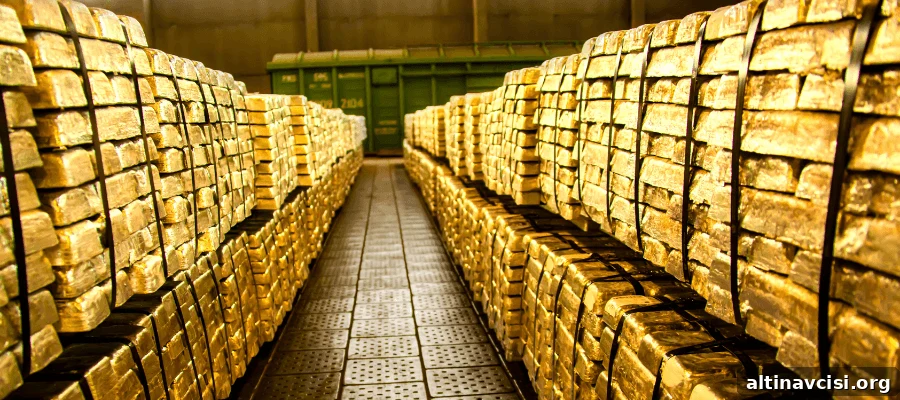
The trend toward diversification manifests in several ways. Precious metals such as gold are being used as protection against currency depreciation and systemic shocks. Cryptocurrencies are attracting a subset of investors seeking non-sovereign, high-growth optionality despite volatility. Commodities—ranging from energy and industrial metals to agricultural products—are being revisited both for inflation hedging and for thematic exposure tied to global demand shifts.
Risk management considerations are also driving these adjustments. Wealth managers report that clients want portfolios better aligned with a multipolar economic environment, where flows and policies from multiple major economies can influence returns. This has fueled demand for multi-asset strategies that combine equities, fixed income, precious metals, commodities, and selected digital assets in calibrated proportions.
Importantly, this reallocation is not a wholesale exit from US markets. Instead, it tends to be a rebalancing: maintaining exposure to US innovation and capital markets while reducing concentration risk and increasing positions in assets and regions that can provide diversification benefits. Financial advisors are tailoring these changes to individual risk tolerances, time horizons, and income needs, often favoring incremental adjustments rather than abrupt shifts.
For investors considering increased exposure to China and Hong Kong, due diligence remains essential. Market participants emphasize the need to understand regulatory developments, corporate governance standards, and sector-specific drivers that could influence returns. Likewise, allocations to alternatives such as cryptocurrencies and commodities should be sized appropriately within broader portfolios to reflect their distinct risk-return profiles.
Overall, the evolving picture is one of cautious diversification. High-net-worth clients and their advisors are responding to geopolitical and macroeconomic signals by reconfiguring portfolios to reduce single-market and single-currency risks, while still seeking growth and income opportunities across a broader global set of assets.