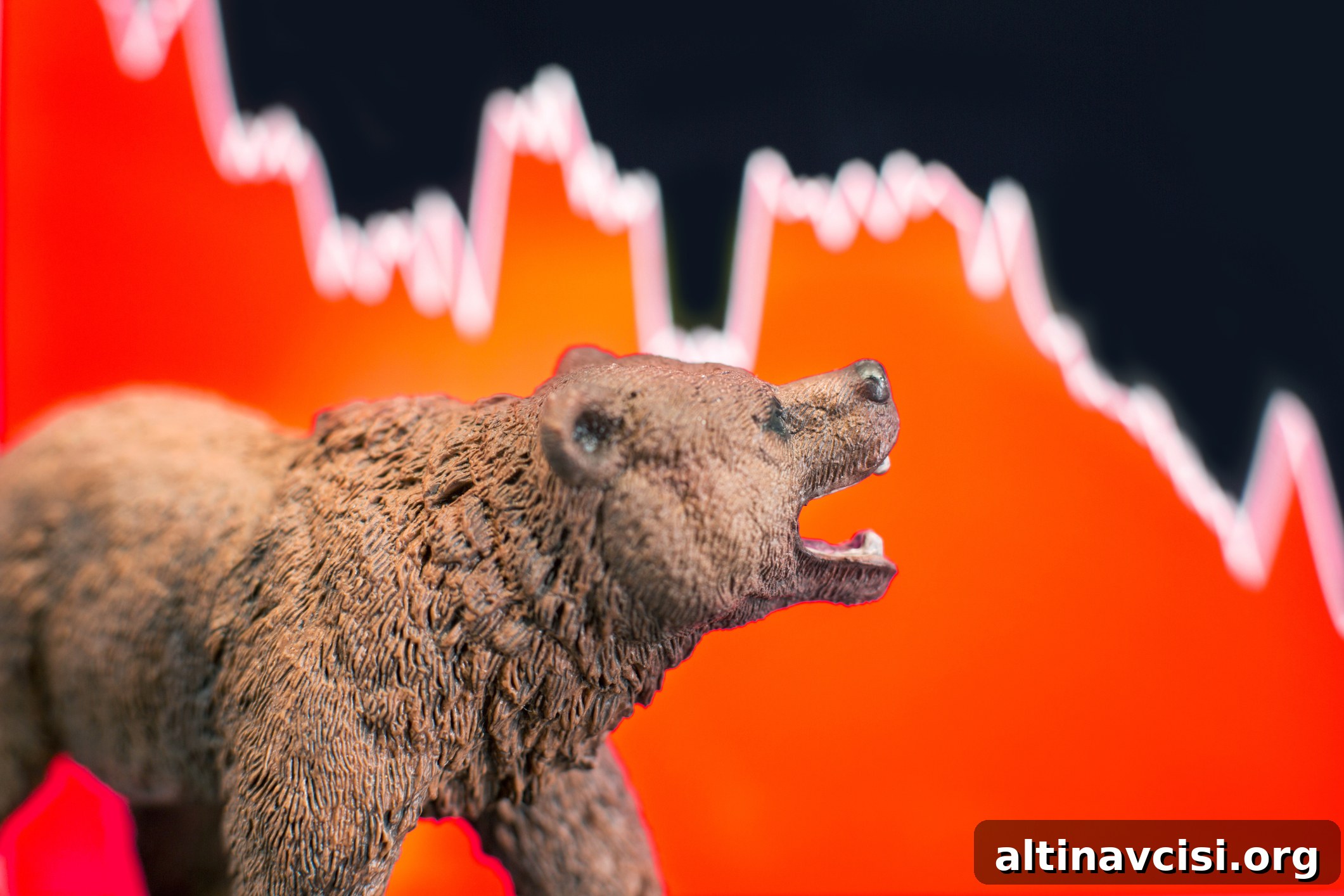
US stock markets fell sharply for a third consecutive day after President Trump announced unexpectedly high tariffs on imports from several major trading partners. In early Monday trading before the opening bell, S&P 500 futures were down about 2.8%, edging closer to bear market territory (a 20% decline from recent highs). Dow futures dropped roughly 1,000 points and the Nasdaq continued to slide as investors pared back holdings in technology stocks.
The sell-off began last week, when the Dow recorded two consecutive sessions with losses exceeding 1,500 points, including Friday’s dramatic 2,231-point decline. The S&P 500 suffered its worst day since the height of the pandemic in March 2020. Despite the sharp market reaction, administration officials have not signaled any intention to reverse the tariff moves or postpone a further round of measures scheduled for April 9.
President Trump described the market downturn as a kind of “medicine” intended to correct perceived trade imbalances. China immediately retaliated by imposing a 34% tariff on all US imports, bypassing renewed negotiations and escalating tensions. The rapid escalation and the seemingly arbitrary tariff levels have intensified investor concern, in part because the administration has remained firm about proceeding even as markets wobble.
Market participants are closely watching earnings reports, economic data, and any new diplomatic or trade developments that could alter the outlook. High tariffs raise the prospect of slower global growth through higher consumer prices and disrupted supply chains, which could further pressure corporate profits and investor sentiment. Sectors sensitive to trade exposure, such as manufacturing and technology, have shown heightened volatility as traders reassess risk and reposition portfolios.
Analysts note that sudden tariff changes create additional uncertainty for companies that source parts globally or rely on export markets. Stock valuations that already priced in an optimistic growth scenario may be forced to adjust downward if tariffs raise costs or reduce demand abroad. Bond markets and currency moves are also being monitored for signs of broader financial stress as investors seek safe-haven assets.
In the near term, market direction will likely depend on whether the administration and trading partners move toward negotiation or escalation, along with incoming economic indicators that reveal consumer spending, inflation trends, and corporate earnings resilience. For now, heightened volatility and rapid re-pricing reflect the market’s effort to absorb the new trade policy risks and their potential impacts on the global economy.