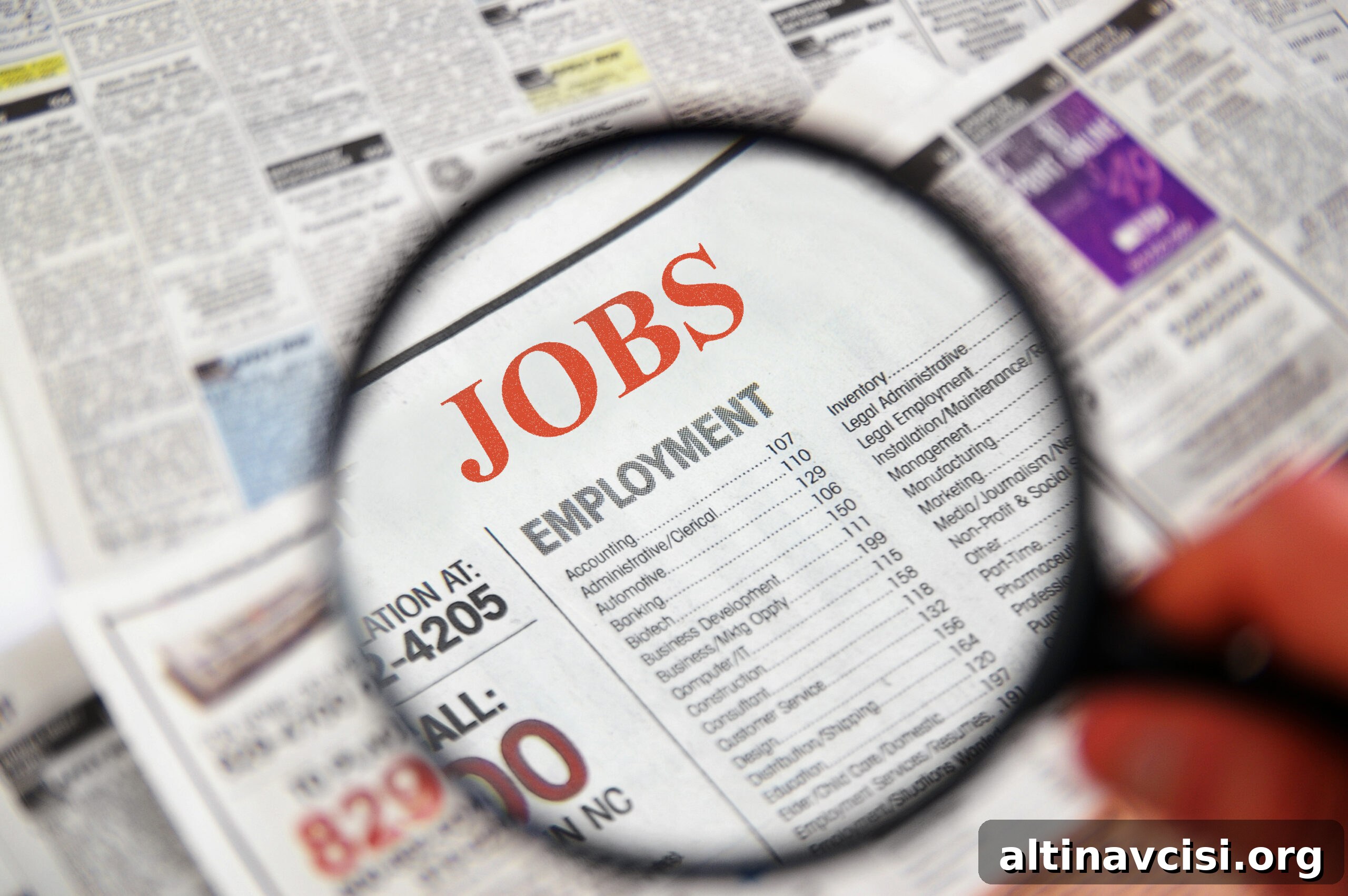
US initial unemployment claims rose to 240,000 last week, an increase of 14,000 from the prior week and above expectations of 226,000. Despite the uptick, the broader labor market remains resilient, with relatively few large-scale layoffs and numerous job openings across many sectors.
The rise in claims comes amid uncertainty around proposed tariff measures. A federal court recently blocked the administration’s emergency tariff authority, which eased some market worries, but the government has appealed to the Supreme Court, leaving the final outcome unresolved and markets on edge.
Overall economic indicators present a mixed picture. The Federal Reserve is keeping the benchmark interest rate at 4.3% as policymakers weigh competing risks from inflation and employment. Gross domestic product contracted by 0.2% in the first quarter of 2025, in part because firms built up inventories of imports ahead of potential tariff changes. Still, job creation remains solid: employers added 177,000 payroll positions in April, and the unemployment rate held steady at 4.2%.
Those dynamics suggest a labor market that is still fundamentally healthy but facing new headwinds from trade policy uncertainty and slowing growth. Rising initial claims could signal early frictions for some workers, yet steady hiring and a stable unemployment rate point to continued demand for labor. The Fed’s decision to maintain rates reflects caution as it balances pressure from inflation against signs of cooling in overall activity.
Looking ahead, developments in the tariff dispute and how businesses respond to trade policy will be important for both growth and hiring trends. If the Supreme Court rules in favor of the administration, firms may face higher costs that could weigh on spending and employment. Conversely, if the block is upheld, some of the short-term disruptions that contributed to the Q1 contraction—such as inventory buildup—could ease, supporting a steadier recovery in output and jobs.
For now, policymakers and market participants will watch incoming data closely: payroll reports, initial claims, inflation measures, and corporate guidance all will influence expectations for interest rates and the broader economic trajectory. While a single weekly increase in claims does not rewrite the employment story, the combination of trade uncertainty and a slight pullback in growth underscores the delicate balance facing the economy.