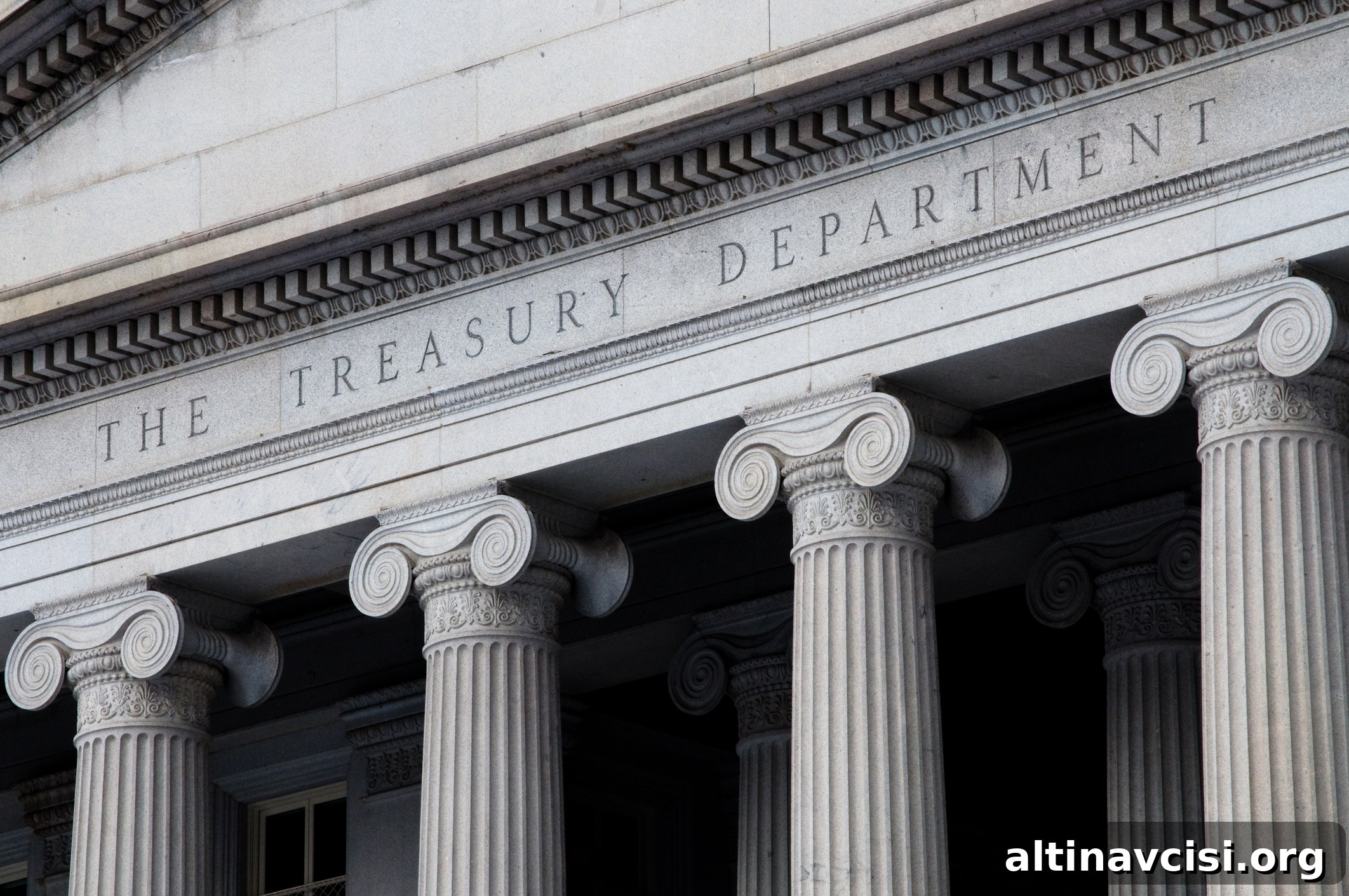
US Treasury bonds, long considered safe-haven assets, are beginning to behave more like riskier investments amid changes in trade policy and broader shifts in the financial landscape.
In recent months, longer-term Treasury yields have climbed while the dollar has slipped, and Treasury prices have increasingly moved in tandem with stocks and other higher-risk assets. Instead of diverging when markets grow more volatile, Treasuries have sometimes risen and fallen alongside equities, weakening the traditional inverse relationship between safe assets and risky markets.
This shift raises questions about the assumption that US Treasuries are essentially “risk-free.” That designation has been central to their role as a global benchmark for pricing, a cornerstone of central-bank reserves, and a preferred form of collateral for financial transactions. If investor confidence in Treasuries erodes, the effects could ripple through markets that rely on their stability and liquidity.
Several factors appear to be contributing to this change in behavior. Rising long-term yields reflect concerns about the sustainability of increasing US government debt and the possibility of higher inflation or tighter monetary policy in the future. At the same time, trade tensions and confrontational rhetoric toward major creditors have heightened uncertainty about international capital flows and demand for dollar-denominated assets.
When Treasuries start to track stocks, it signals that investors may be reassessing the perceived safety of US government debt. That reassessment could alter how institutions allocate reserves, price risk, and manage collateral. For example, pension funds and central banks that historically shifted into Treasuries during market stress might look for alternative buffers if those bonds no longer provide the same diversification benefits.
Market participants and policymakers will be watching closely. If the correlation between Treasuries and risky assets persists, it could complicate monetary and fiscal policymaking, affect borrowing costs for the US government, and prompt adjustments in global portfolio strategies. Maintaining confidence in Treasuries depends not only on the creditworthiness of the United States but also on predictable policies and a stable macroeconomic outlook that supports strong, liquid demand for US debt.
In short, the recent behavior of Treasury bonds suggests a reassessment of their safe-haven role. While they remain a foundational element of the global financial system, evolving dynamics—such as rising debt levels, policy uncertainty, and shifting investor preferences—are testing assumptions about their immunity to market risk.