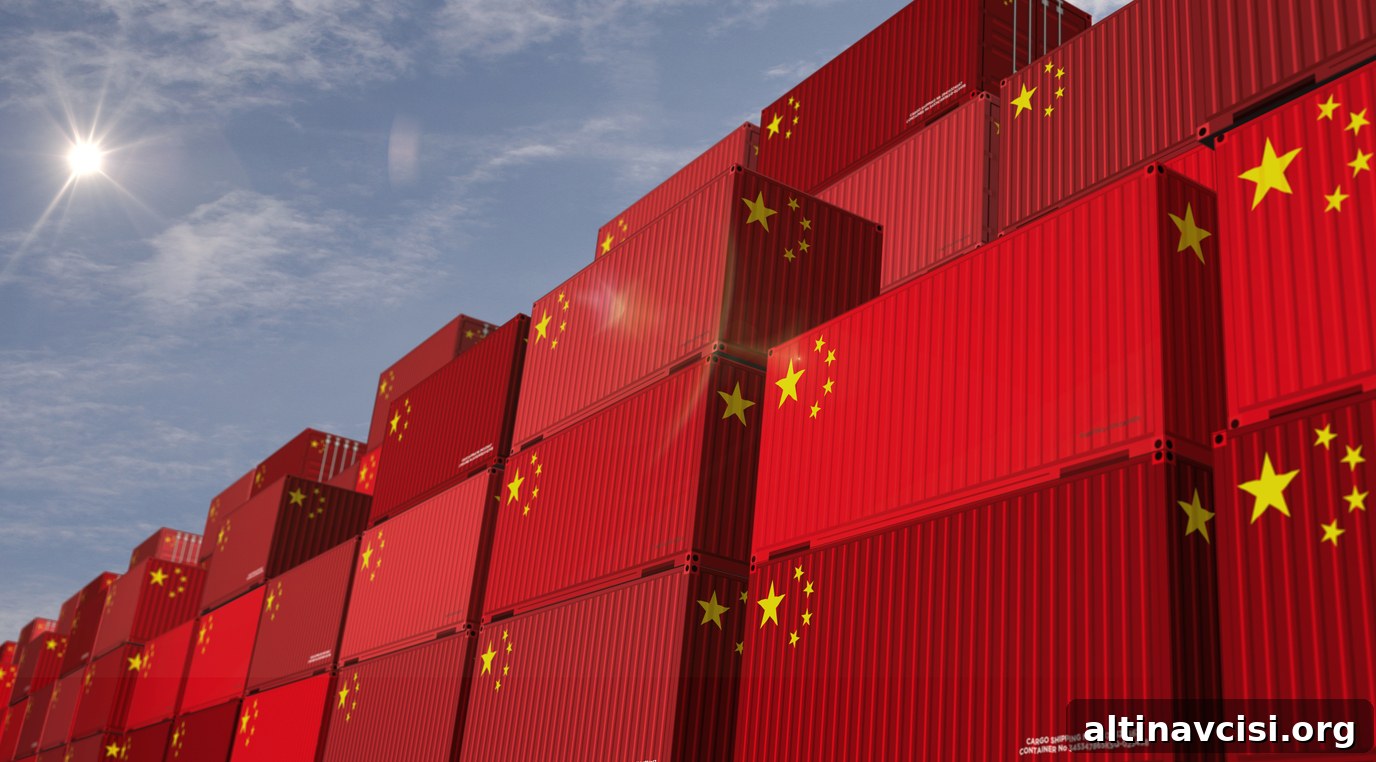
President Trump announced a new, wide-ranging tariff plan that combines a universal 10% duty on all imported goods with higher, targeted “reciprocal” tariffs on specific trading partners. Under the proposal, China would face the largest total rate at 54%—an added 34% levy on top of an existing 20% duty—while the European Union would see a 20% tariff and Japan a 24% tariff.
According to the announcement, the 10% baseline tariff is intended to begin at 12:01 a.m. Eastern on Saturday, with the additional reciprocal tariffs scheduled to take effect on April 9. Officials said the reciprocal rates were calculated to be roughly half of the average tariffs those countries impose on U.S. exports. The plan also preserves preferential treatment for goods that meet the rules of the U.S.-Mexico-Canada Agreement (USMCA).
The new measures build on other trade actions already in place, including recently applied 25% duties on certain foreign-made cars and auto parts. The administration framed the approach as a way to strengthen domestic manufacturing and protect American jobs by making imported goods more expensive and thus improving the competitiveness of U.S.-made products.
Reactions have been mixed. Supporters argue the combined tariff structure will encourage reshoring of production, bolster manufacturing employment, and correct perceived imbalances in trade relationships. They say these steps aim to level the playing field for U.S. businesses that face higher barriers abroad.
Critics and many economists, however, caution that the tariffs risk raising costs for consumers and businesses alike. Higher import duties can translate into higher retail prices, potentially adding to inflationary pressure at a time when households are already dealing with elevated living costs. Businesses that rely on imported components could see input costs rise, which may be passed on to customers or compress profit margins.
Trade experts also warn of potential retaliatory measures by affected countries, which could target U.S. exports and complicate international supply chains. Such responses might reduce demand for American-made goods abroad and blunt some intended benefits for domestic producers.
Industry groups have expressed concern about the timing and scope of the plan, asking for clarity on implementation details, exemptions, and enforcement procedures. Some sectors that depend heavily on global supply chains—such as electronics, automotive, and retail—have highlighted the complexity and potential disruption of introducing broad-based import duties alongside targeted levies.
Policymakers supporting the tariffs emphasize ongoing monitoring and adjustments to minimize harm to consumers and sensitive industries while pursuing longer-term goals of increased domestic production and stronger bargaining positions in trade negotiations. Observers expect debates over the economic trade-offs and legal ramifications to continue as the implementation date approaches.
As the policy moves forward, businesses and consumers will be watching for guidance on compliance, transitional arrangements for affected imports, and any trade disputes that may arise. The ultimate impact will depend on how other countries respond, how quickly companies adapt supply chains, and the broader economic context in which these tariffs are applied.