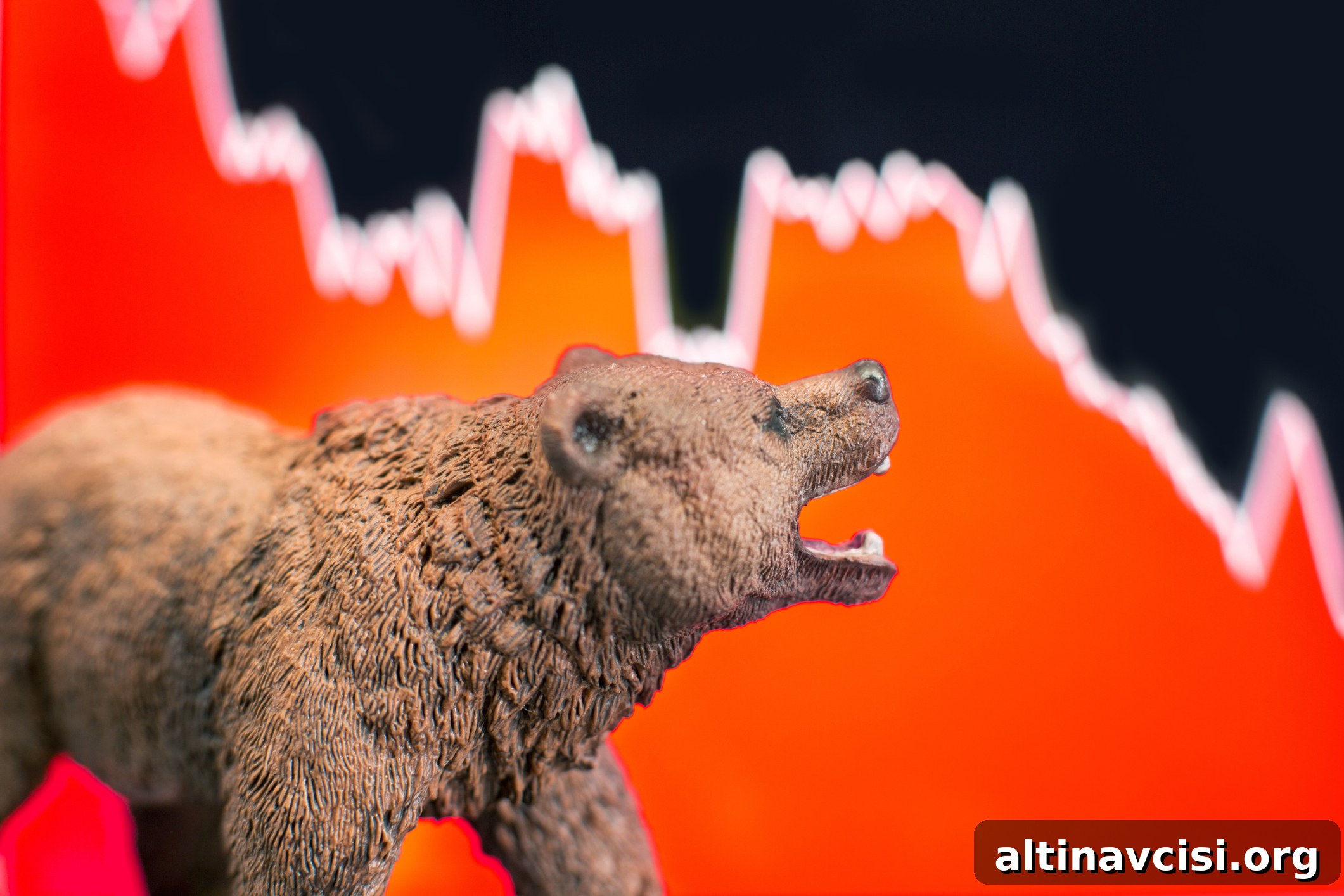
Global markets are facing pronounced volatility as the trade dispute between the United States and China escalates. The US dollar has recorded its worst four-day slide in more than two years, falling 1.2% to reach a six-month low. In retaliation for recent US measures, China has sharply raised tariffs on American goods — increasing them from 84% to 125% — and signaled it will “fight to the end” if further provoked, even deriding the Trump administration’s actions as a “joke.”
Against this fraught backdrop, results from major Wall Street banks have been mixed. JPMorgan Chase disclosed record equity trading revenue yet issued cautions about weakening economic conditions. BlackRock reported net inflows that fell short of expectations, with CEO Larry Fink likening the current market environment to past periods of acute stress, such as the 2008 financial crisis and the COVID-19 pandemic.
Sentiment among market analysts has grown more negative. Bank of America strategist Michael Hartnett has characterized the mood as a shift from “US exceptionalism” to “US repudiation,” recommending that investors sell into any short-term rallies until either the Federal Reserve takes steps to stabilize markets or tensions between the US and China ease. This cautious stance is reflected in a broader flight to safety: gold has surged to a record high, trading above $3,200 an ounce as investors seek refuge from heightened geopolitical and economic uncertainty.
The combination of escalating tariffs, political rhetoric, and mixed corporate earnings is creating an uncertain outlook for global growth and financial markets. Currency markets are reacting to safe-haven flows and policy uncertainty, while equities contend with the prospect of slower demand and tighter profit margins for businesses exposed to trade disruptions. Fixed-income markets are also being monitored closely for signs of shifting interest-rate expectations as investors reassess central bank responses to mounting risks.
Investors and policymakers alike are watching for any sign of de-escalation or intervention. Potential catalysts that could calm markets include a détente in US-China relations, clear policy action from the Federal Reserve to support liquidity and confidence, or reassuring guidance from major corporations about their earnings outlooks. Absent these developments, analysts expect volatility to remain elevated and advise caution.
For now, market participants are balancing short-term defensive moves with longer-term strategic considerations. Portfolio adjustments — such as increasing allocations to precious metals, high-quality bonds, and defensive equities — are becoming more common among investors aiming to preserve capital amid uncertainty. At the same time, some traders are seeking opportunities in dislocations created by rapid price swings, though such strategies carry heightened risk.
In summary, escalating trade tensions between the US and China, coupled with mixed corporate results and shifting analyst sentiment, have driven considerable market turbulence. The recent plunge in the US dollar, the surge in gold prices, and cautious guidance from major financial firms underscore the scale of uncertainty. Market direction in the coming weeks will likely hinge on diplomatic developments, central bank actions, and incoming economic data that can clarify the outlook for growth and inflation.