The United States and Ukraine have reached terms for a draft minerals agreement that could play a key role in Kyiv’s effort to maintain Washington’s backing as President Trump presses for a swift end to the war with Russia.
Rooted in acknowledgment of Ukraine’s sovereignty over its natural resources, the draft lays out a framework for cooperation on critical minerals without including explicit U.S. security guarantees or new arms commitments. While President Trump has floated the idea that U.S. or allied peacekeeping forces might be needed if a formal settlement is achieved, Russian officials have firmly rejected the presence of NATO troops on Ukrainian soil.
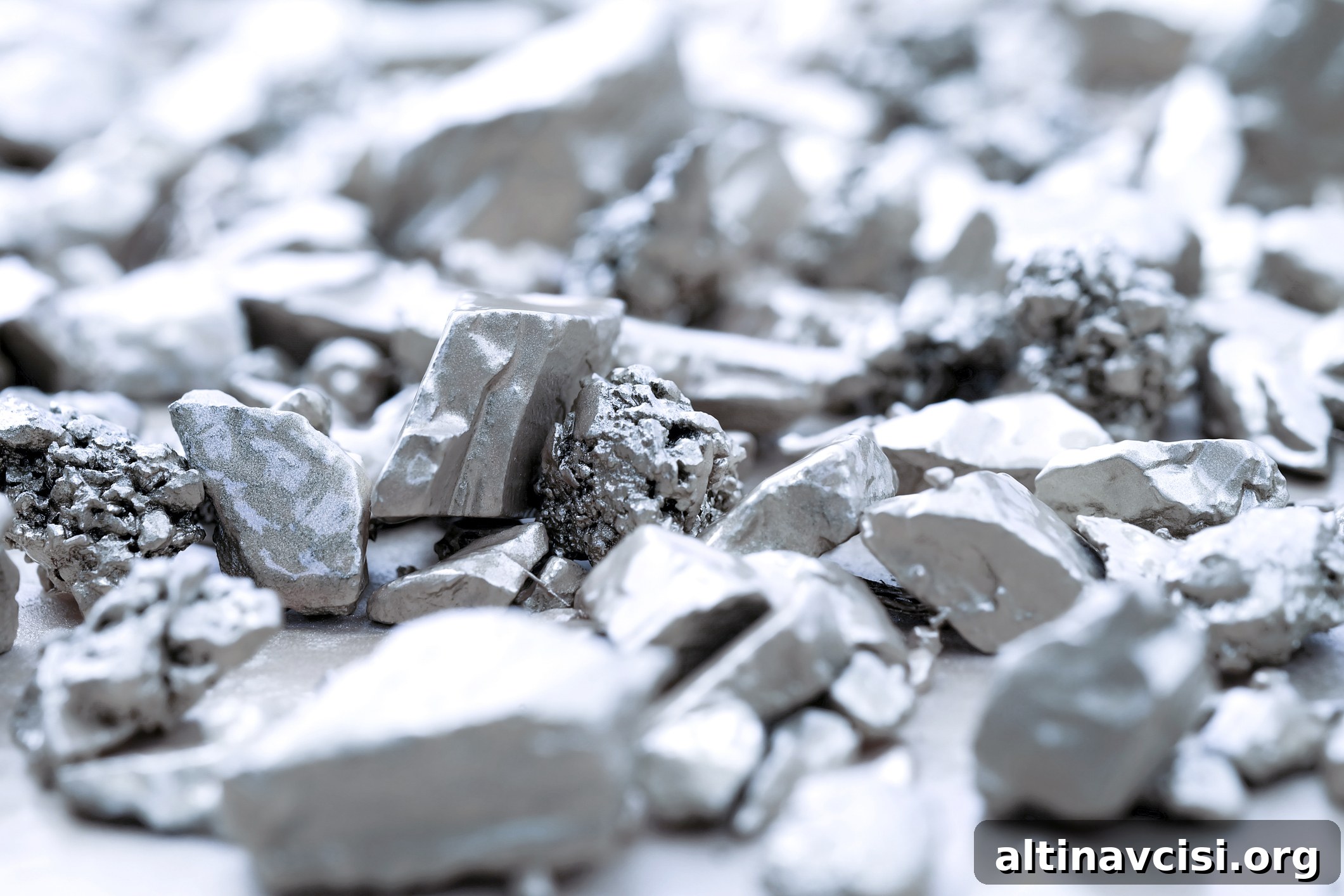
Negotiators framed the minerals deal as an economic and strategic partnership focused on developing Ukraine’s reserves of essential metals and materials that are important for clean energy and advanced technologies. The agreement aims to attract investment, provide technical assistance, and establish transparent rules for extraction and export, while leaving questions about security arrangements to separate discussions.
Tensions between the two leaders have surfaced as the agreement progressed. President Trump has characterized the deal in political terms, suggesting it could help offset past U.S. financial support to Ukraine. Ukrainian officials, for their part, emphasize that the arrangement is intended to strengthen the country’s long-term economic independence and resource governance rather than serve as a substitute for defense assistance.
Observers note that a minerals pact can offer Ukraine tangible economic benefits—jobs, infrastructure upgrades, and export revenues—while also deepening ties with Western industry. However, because the draft stops short of committing the United States to specific security measures, many analysts believe it will not by itself resolve the central questions of battlefield support and postconflict guarantees.
The draft is likely to be followed by further negotiations to clarify implementation details, environmental safeguards, and the balance between foreign investment and Ukrainian control. Any final version would need to address transparency and anti-corruption provisions to satisfy both domestic constituencies in Ukraine and U.S. lawmakers who will scrutinize the arrangement.
Ultimately, backers of the deal argue that leveraging Ukraine’s mineral wealth responsibly could contribute to the country’s reconstruction and economic resilience, while opponents warn that economic cooperation alone cannot replace concrete security commitments needed to ensure long-term stability. As diplomatic conversations continue, the minerals agreement stands as a strategic, if partial, step in the broader effort to shape Ukraine’s future after or alongside any negotiated cessation of hostilities.