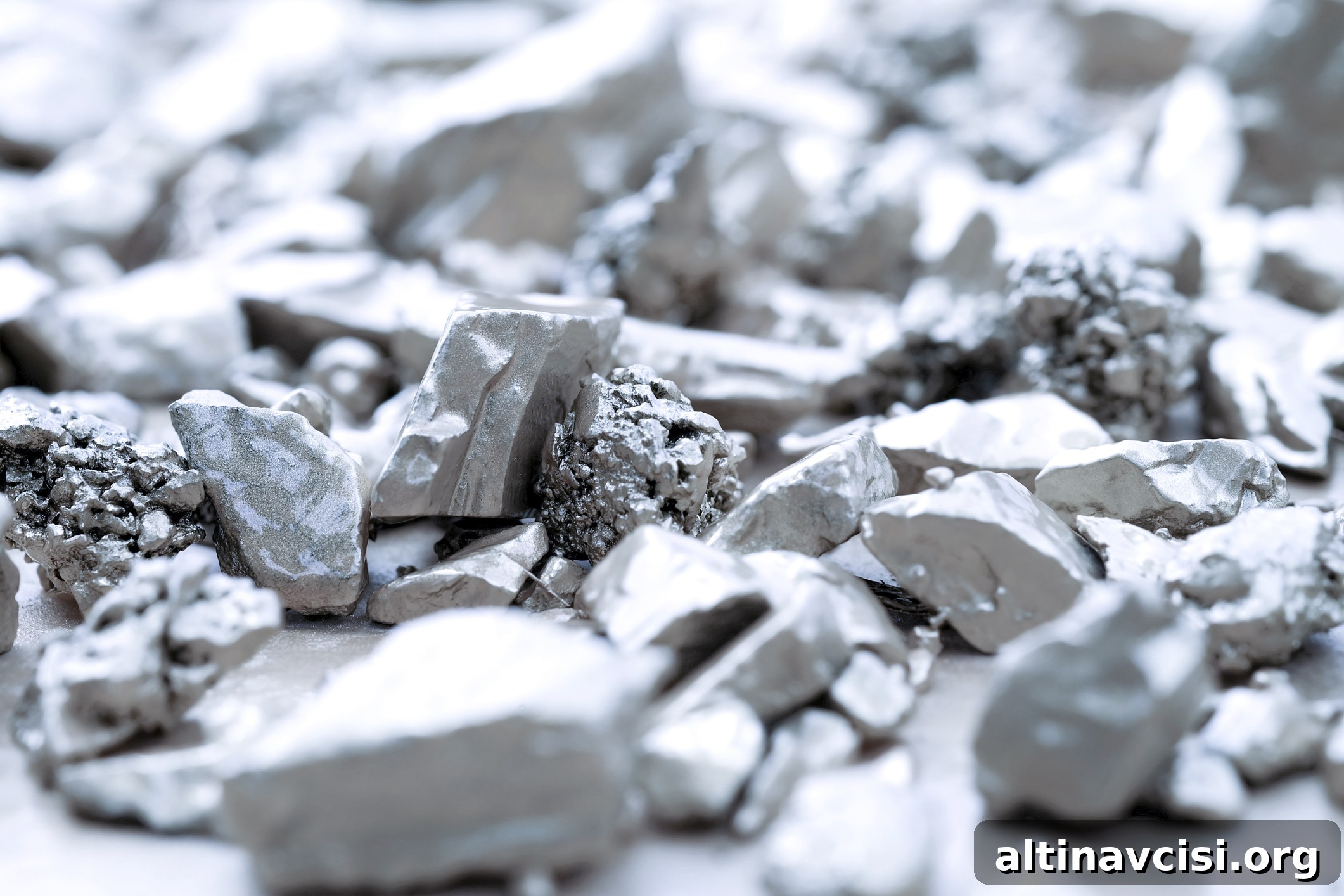
Talks between the United States and Ukraine have resumed over a major agreement on critical minerals that could be worth as much as $500 billion, despite earlier tensions between President Trump and Ukrainian President Volodymyr Zelenskiy.
Initially, Kyiv rejected a U.S. proposal that would have granted Washington 50% of the proceeds from Ukrainian mineral production, arguing that such a demand would violate Ukrainian law. Ukrainian officials said the proposal exceeded what their legal framework allows for revenue-sharing and raised sovereignty concerns. Negotiations, however, have not stalled: U.S. envoy Keith Kellogg has traveled to Kyiv to continue discussions with Ukrainian counterparts aimed at finding mutually acceptable terms.
President Trump has emphasized securing access to rare earth and other critical minerals, citing their importance for defense, advanced electronics, and clean-energy technologies. The renewed negotiations reflect U.S. strategic interest in diversifying supply chains and reducing dependence on single suppliers for elements used across high-tech industries.
Experts caution that the situation on the ground complicates any straightforward deal. Geologists and industry analysts note that commercially viable deposits in Ukraine appear to be fewer and smaller than some initial estimates suggested. Moreover, a number of promising sites are located in territories currently under Russian control or in areas affected by the conflict, which creates legal, logistical and security challenges for development, extraction and investment.
Ukrainian officials have signaled they are willing to negotiate terms that attract foreign investment while protecting national interests. That includes insisting on compliance with Ukrainian law, ensuring transparent revenue management, and retaining oversight of strategic assets. U.S. negotiators, for their part, are reportedly seeking arrangements that would secure reliable access to minerals and support U.S. industry needs without triggering domestic political or legal obstacles in Ukraine.
The talks encompass more than just revenue-sharing percentages. Parties are discussing frameworks for exploration rights, environmental protections, infrastructure investment, and the distribution of proceeds over time. Both sides also need to address how revenues would be audited and how benefits would be shared with local communities affected by mining activity. These details matter for meeting international investor standards and for minimizing social and environmental impacts.
Analysts say any final agreement will likely be a compromise balancing U.S. strategic priorities with Ukraine’s legal and sovereign concerns. Potential structures under consideration include phased revenue sharing tied to project milestones, joint ventures with clear governance rules, and guarantees for environmental and labor standards. Kyiv may also press for clauses that ensure recovery of state control if security conditions change or if foreign partners fail to meet obligations.
Beyond the immediate commercial implications, the negotiations carry geopolitical weight. Securing diversified supplies of critical minerals is a priority for many countries seeking to reduce reliance on dominant producers. For Ukraine, successful development of mineral resources could attract investment and support economic reconstruction, but only if projects are legally sound, financially viable and insulated from the disruptions caused by conflict.
As talks continue in Kyiv, observers will be watching for indications that both sides can bridge their differences. A deal that respects Ukrainian law and sovereignty while offering credible supply assurances for the United States would address economic, strategic and political objectives on both sides. Until terms are finalized, however, significant legal, geological and security hurdles remain to be resolved.