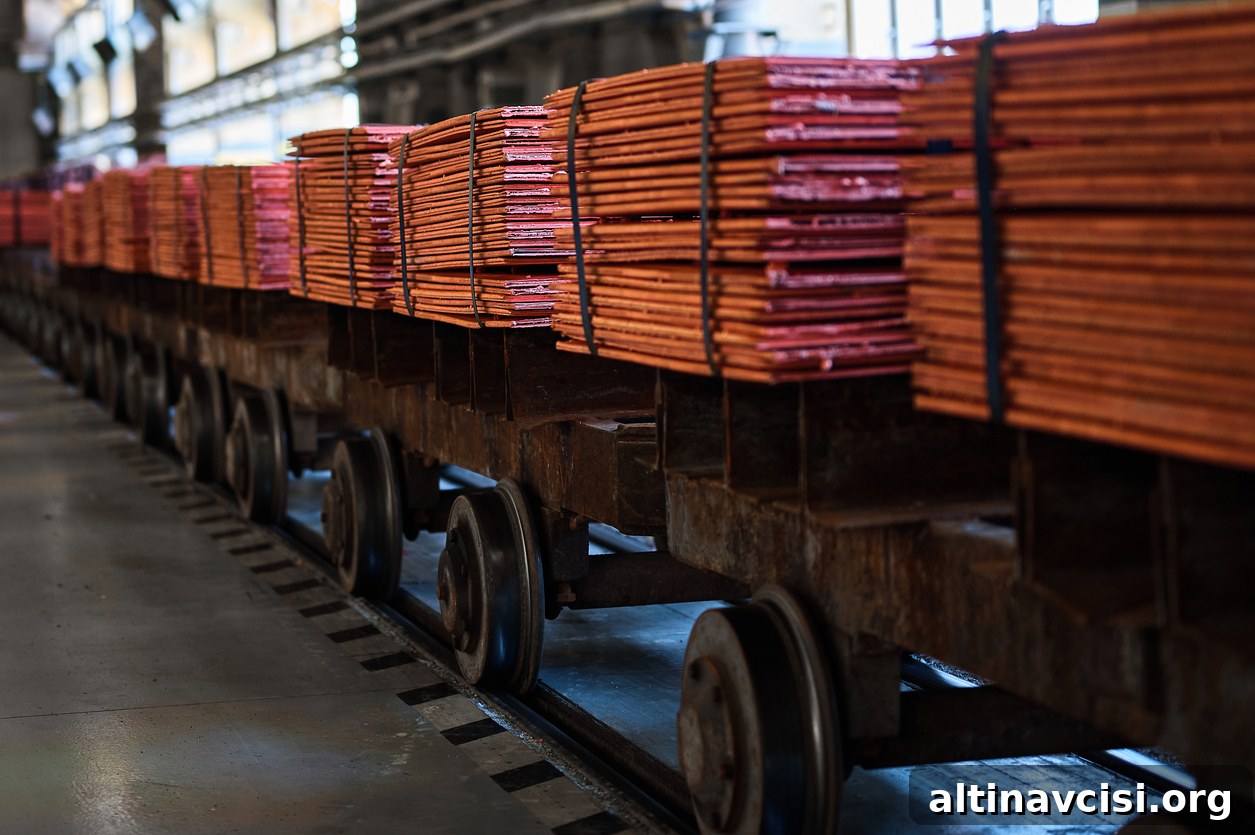
U.S. copper prices have climbed to record levels after President Trump proposed a 50% tariff on copper imports.
Though the tariff is intended to encourage more domestic production, experts note that boosting U.S. output will take years. In the meantime, the United States continues to depend on imports for roughly half of its copper supply.
On the Comex exchange, copper futures surged by about 13% in a single trading day, a move that far outpaced rises in global benchmarks.
The premium between U.S. and international copper prices has widened to unprecedented levels. Analysts warn this gap could have significant ripple effects, increasing costs for manufacturers and construction projects and placing additional strain on the broader economy.
Higher copper prices are likely to affect industries that depend heavily on the metal, including electrical equipment, plumbing, automotive, and renewable energy sectors. These industries may face increased input costs that could be passed along to consumers or compress company margins.
Construction projects, already sensitive to material costs, could see budgets rise and timelines shift as procuring copper becomes more expensive. Smaller firms and contractors with limited ability to absorb higher material costs may be particularly vulnerable.
In the near term, the market is adjusting to expectations of reduced import competitiveness and potential supply disruptions. Traders and buyers may seek alternative sources or increase purchases now to hedge against further price rises, which can exacerbate short-term volatility.
Longer-term effects depend on how quickly domestic production can scale, changes in recycling rates, and any policy adjustments. Expanding U.S. copper mining and refining capacity requires substantial investment, permitting, and time, so a meaningful increase in domestic supply is unlikely to occur quickly.
Recycling and substitution could help mitigate some demand, but neither option will fully replace the volume of imported copper the market currently relies on. Technological shifts and increased efficiency in copper use may reduce demand growth but are gradual solutions.
Policymakers and industry leaders are now assessing how to balance the goals of strengthening domestic supply chains with the immediate economic risks posed by sharply higher copper prices. The coming months will be critical in determining whether prices stabilize, fall back toward global levels, or remain elevated as market participants and policymakers respond.