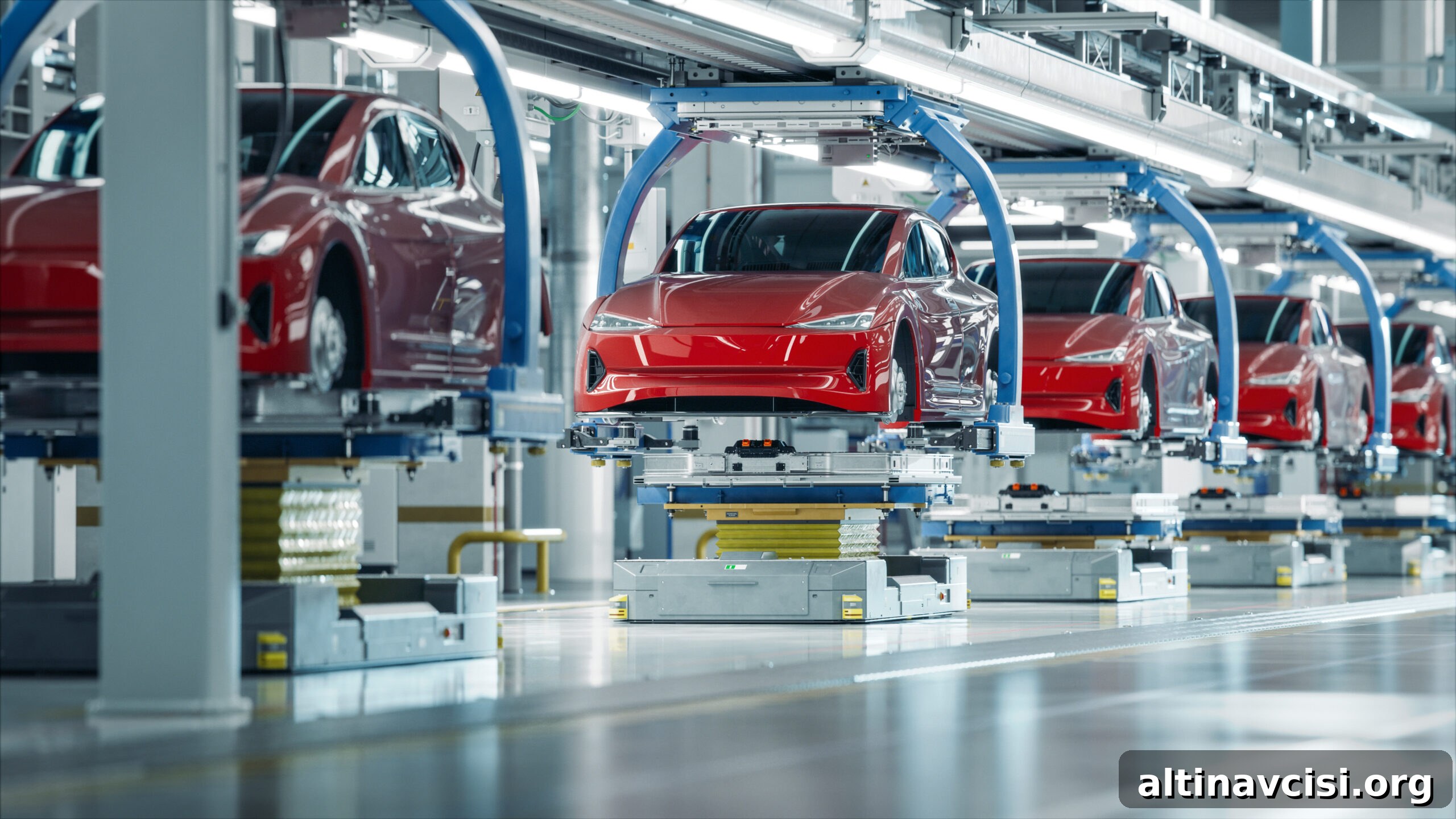
President Trump has announced plans to impose a 25% tariff on imported automobiles, pharmaceuticals, and semiconductor products, with the possibility of higher rates later in the year.
According to the announcement, the tariff on imported cars could be finalized as soon as April 2. Tariffs on semiconductors and pharmaceutical imports may rise “substantially higher” over the coming months. These proposed measures would build on existing tariffs: a 25% duty on steel and a 25% duty on aluminum, as well as a 10% tariff that already applies to a broad range of Chinese imports.
The timing of the announcement coincides with the arrival of European Union trade officials in Washington for discussions. Administration officials framed the move as a response to what they describe as unfair trade practices by the EU, including limits on foreign car imports and other barriers that U.S. officials say disadvantage American manufacturers. The White House has argued that stronger import levies are intended to create leverage in negotiations and to accelerate the return of industrial capacity and supply chains to the United States.
Supporters of the tariffs say the measures are designed to protect domestic manufacturing jobs, reduce reliance on foreign supply chains for critical goods such as semiconductors and medicines, and encourage multinational companies to invest in U.S. production. By signaling that higher tariffs could follow an initial 25% rate, the administration aims to give affected companies a window to consider relocating operations or reshaping supply chains before facing steeper costs on imports.
Critics of the policy warn that high tariffs on cars, chips, and drugs could increase costs for American consumers and businesses that rely on imported components. Economists and industry groups typically point out that tariffs can lead to higher retail prices, disruptions in global supply chains, and retaliatory measures from trading partners. Auto manufacturers, technology firms, and pharmaceutical companies have said that sudden tariff increases could complicate production planning and raise the cost of finished goods and medical treatments.
Trade analysts also note the potential diplomatic fallout. With EU negotiators in Washington, imposing car tariffs at this moment risks escalating tensions with a major trading partner. The EU has previously responded to U.S. tariffs with countermeasures, and the threat of new levies could harden negotiating positions on both sides. Administration officials have framed the tariffs as part of broader negotiations aimed at rebalancing trade rules, though the move raises questions about how quickly new duties could be implemented and what exemptions or phase-in provisions might be offered to limit immediate disruptions.
If implemented, a 25% tariff on imported vehicles would affect a wide range of models that rely on cross-border production and component sourcing. The auto industry is deeply integrated across North America, Europe, and Asia, and manufacturers typically respond to higher import costs by adjusting prices, shifting production, or seeking tariff relief through trade policy channels. Similarly, tariffs on semiconductors could influence the technology sector, where chips are essential inputs for consumer electronics, automotive systems, and industrial equipment. Tariffs on pharmaceuticals risk increasing the cost of medicines and medical inputs that are produced or assembled overseas.
Policy observers emphasize that the final scope and duration of the proposed tariffs will matter greatly. Details such as product classifications, exclusion processes, and timelines for rate increases will determine which firms and products are most affected. Markets and corporate planners are watching for formal proclamations, regulatory notices, and the results of bilateral talks that could modify or delay the proposed levies.
In the coming weeks, businesses, trade associations, and foreign governments will likely press for clarifications, exemptions, or phased implementations that reduce the immediate economic impact. Congressional leaders and industry stakeholders may also seek to influence the administration’s approach, advocating for measures that protect critical domestic industries while avoiding undue harm to consumers and the broader economy.
For now, the announcement signals a firmer U.S. stance on trade enforcement and an emphasis on reshoring strategic manufacturing, even as it raises concerns about the short-term costs and diplomatic consequences of higher import duties on cars, semiconductors, and pharmaceuticals.