Trump’s 50% Tariff Threat Sends Markets Into Defensive Mode
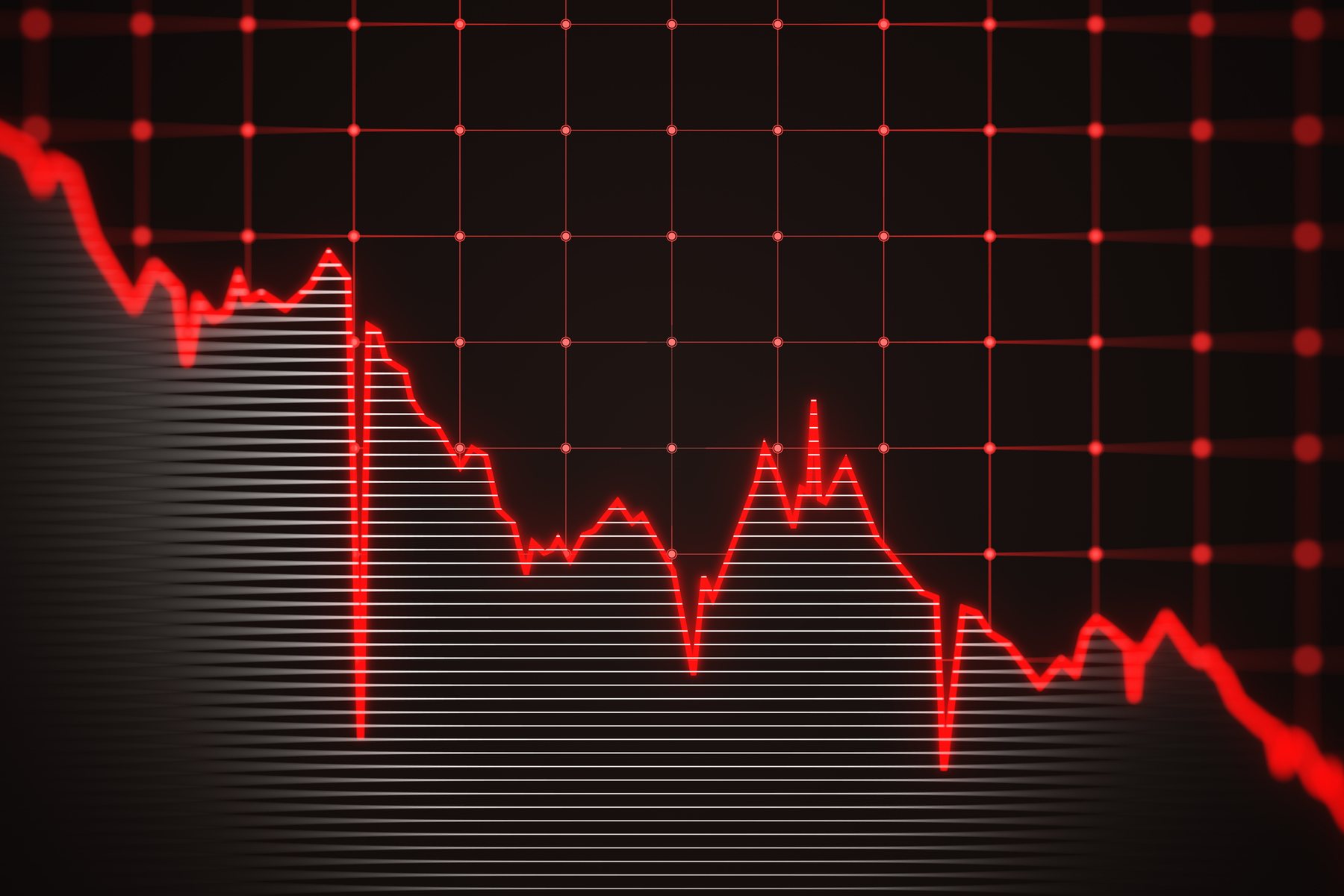
Global markets fell sharply on Monday as escalating trade tensions between the United States and China unnerved investors.

Markets reacted strongly after President Trump threatened to raise tariffs on steel and aluminum to 50% beginning June 4, prompting a broad sell-off across equities and a decline in the U.S. dollar.

Heightened uncertainty over trade policy drove demand for safe-haven assets: gold prices climbed while the Japanese yen and Swiss franc strengthened against major currencies as traders moved to reduce risk exposure.

In Europe, attention is focused on the European Central Bank, which is widely expected to announce an interest-rate cut on Thursday. The decision could influence bond markets and risk sentiment across the region.

Investors are also watching upcoming U.S. jobs data closely. Employment figures will offer important signals about the strength of the U.S. economy and could affect expectations for Federal Reserve policy, potentially amplifying market reactions to the trade developments.

With geopolitical and policy uncertainty rising, market participants are likely to adopt cautious positioning in the near term. Volatility may remain elevated as traders digest central bank moves, economic releases and any further statements or actions related to tariffs.

Overall, the combination of tariff threats, an anticipated ECB rate cut and significant U.S. economic data has created a more fragile market environment. Investors will be monitoring these developments for guidance on risk appetite and asset allocation in the days ahead.