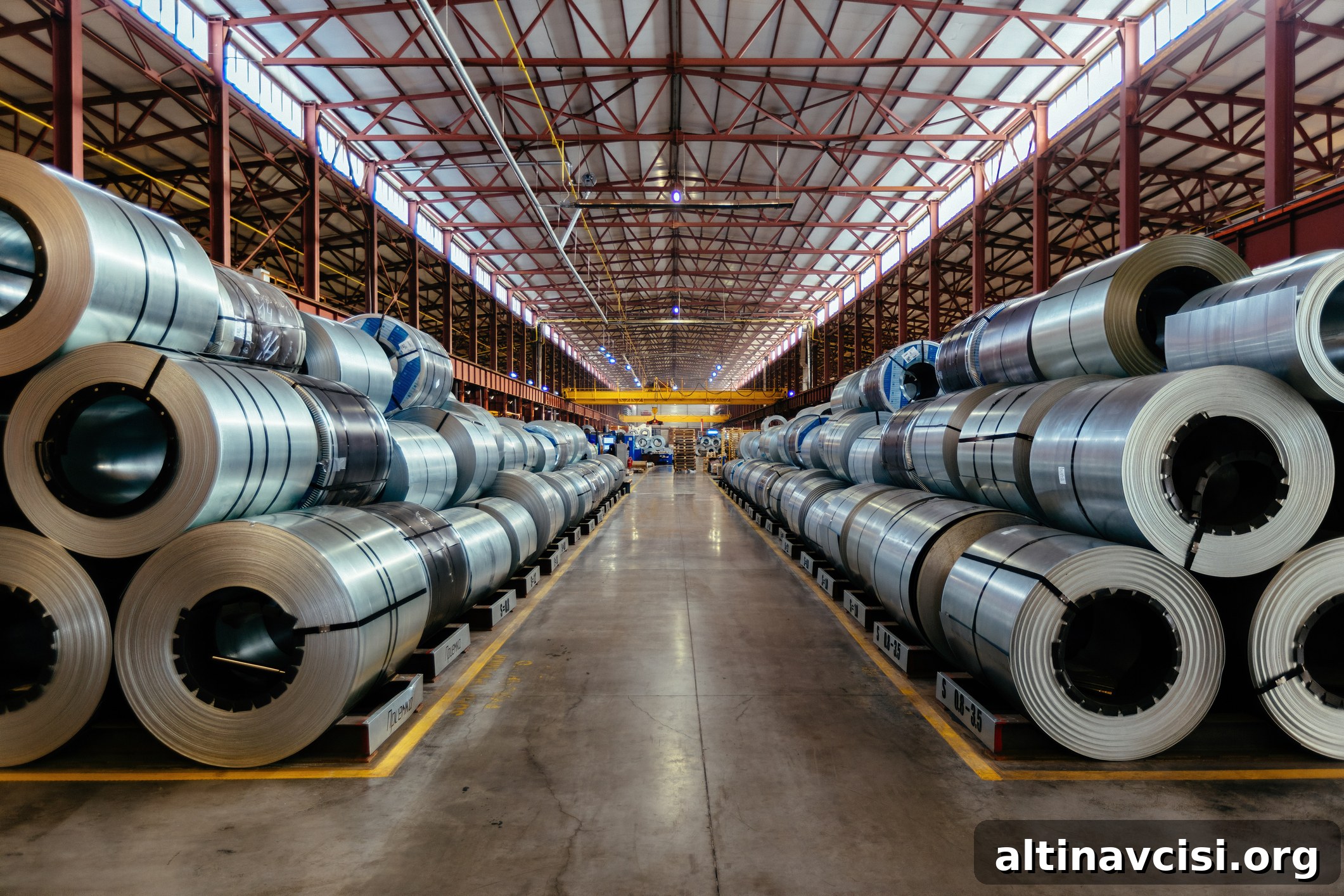
The Trump administration expanded its 50% tariffs on steel and aluminum to cover 407 additional product categories, a change that took effect on Monday.
Under the broadened measures, many common goods that contain steel or aluminum are now subject to the higher duties. Affected items include auto parts, fire extinguishers, a range of machinery, construction materials, and various industrial inputs such as certain plastics and specialty chemicals.
Analysts say the scope of imports impacted by these tariffs has grown significantly. The expanded list increases the value of affected imports to roughly $320 billion, up from about $190 billion previously. That jump in coverage raises concerns that higher tariffs will add to inflationary pressure by pushing up costs for manufacturers, distributors, and ultimately consumers.
Manufacturers that rely on steel and aluminum inputs may face higher raw material and component costs. Those costs can ripple through supply chains: businesses might absorb some increases, reduce margins, or pass added expenses on to customers. Sectors with thin profit margins or limited ability to substitute materials—such as automotive suppliers, construction firms, and certain machinery producers—are likely to feel the strain most acutely.
Beyond direct cost effects, the expanded tariffs could complicate sourcing strategies. Companies that had been importing components from countries affected by the tariffs may seek alternative suppliers in nations not covered by the duties, accelerate reshoring efforts, or redesign products to use less of the taxed metals. Such adjustments take time and can involve additional investment, which may further influence prices in the near term.
Policymakers and industry groups will likely monitor the situation closely for signs of broader economic impact. Trade policy often involves trade-offs between protecting domestic producers and limiting downstream cost increases. The recent expansion highlights how tariff policy can quickly shift the landscape for multiple industries and consumers.
For consumers, the most visible effects could appear in higher prices for goods that incorporate steel and aluminum. In the short term, this could affect the prices of vehicles, appliances, tools, and building materials. Over the longer term, market reactions and supply-chain reconfiguration will determine how much of the tariff-related cost is absorbed by producers versus passed on to buyers.
As businesses and policymakers respond, stakeholders will be watching for further announcements, exemptions, or adjustments that might alter the tariffs’ reach or mitigate their economic effects. In the meantime, the expanded duties mark a significant widening of the administration’s approach to steel and aluminum imports and signal that trade measures remain a prominent tool in industrial and economic policy debates.