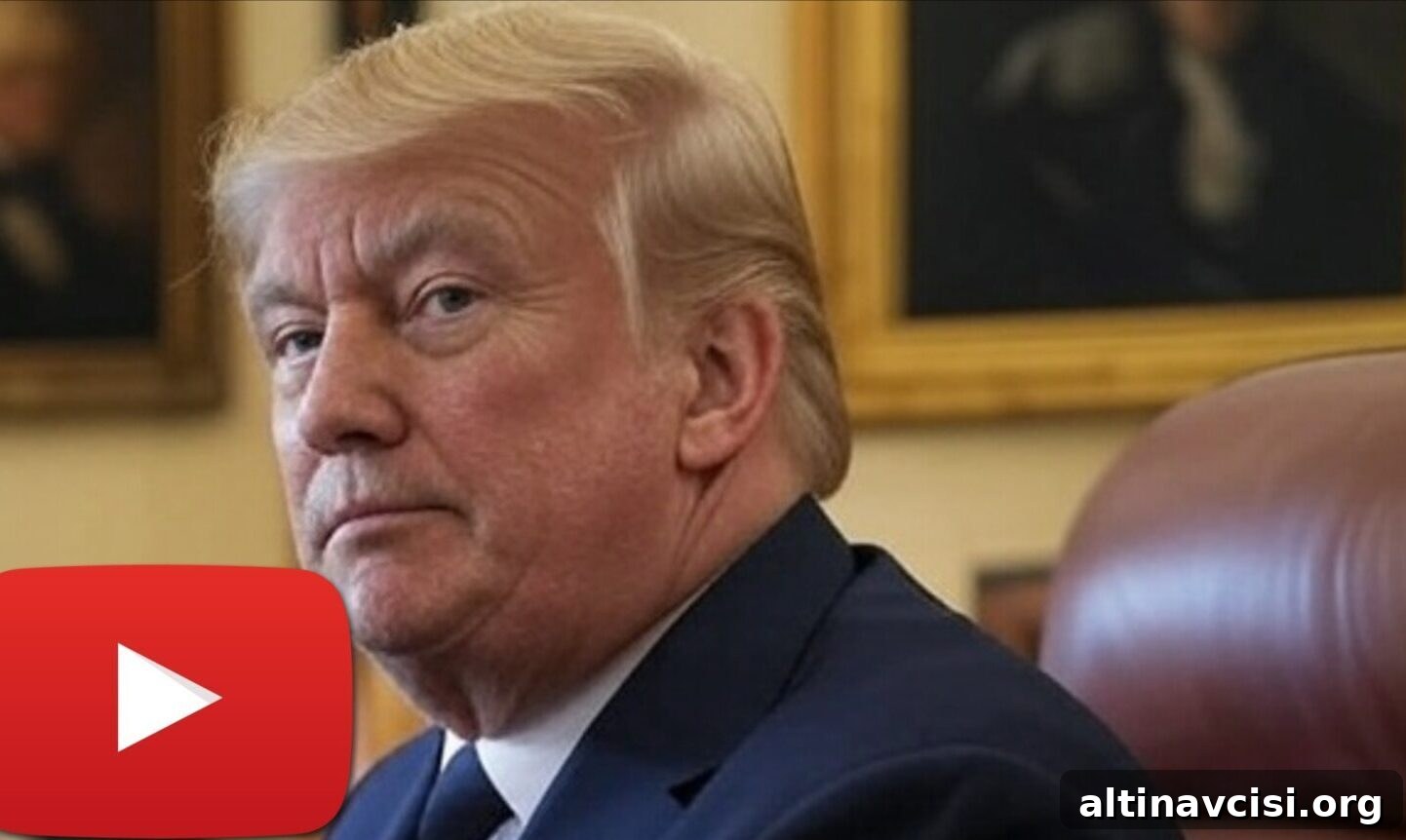
President Trump’s reciprocal tariff plan has formally taken effect. Beginning at 12:01 a.m. ET, U.S. Customs and Border Protection started collecting country-specific tariffs from 86 U.S. trading partners. The program includes a steep 104% tariff on goods from China, a move that significantly raises tensions between the two largest global economies. China has vowed to respond with countermeasures, and the European Union—represented by Commission President Ursula von der Leyen—has signaled both a willingness to negotiate and preparations for retaliatory steps.
Financial markets reacted immediately and negatively. U.S. stocks sold off sharply as traders adjusted to the new tariffs and the increased risk to global trade flows. The measures are expected to affect supply chains and corporate costs, creating uncertainty for businesses and investors. Sectors that rely heavily on international sourcing and exports are likely to see heightened pressure as companies reassess pricing, sourcing, and inventory strategies.
The tariffs have also sparked sharp political and public debate. Prominent business figures and political allies have voiced concern. Tesla CEO Elon Musk intensified his criticism of the administration’s trade advisory team, specifically targeting trade advisor Peter Navarro. Reports indicate that some billionaire backers of the president, including Ken Langone and Ken Griffin, are frustrated by the policy’s potential economic fallout.
On Capitol Hill, newly confirmed U.S. Trade Representative Jamieson Greer appeared before the Senate Finance Committee to discuss the administration’s trade plans for 2025. Greer addressed how the administration intends to implement and enforce the new tariff regime while managing diplomatic and economic consequences. The hearing underscored the broad implications of the policy for trade negotiations, domestic industries, and international relations.
In public statements, President Trump maintained his position that China is eager to reach a deal, asserting that Beijing “wants to make a deal, badly, but they don’t know how to get it started.” Chinese officials, however, framed the U.S. tariffs as coercive and promised proportionate responses. The back-and-forth suggests an extended period of negotiation and tit-for-tat measures unless both sides move quickly toward compromise.
European leaders have responded cautiously. Commission President Ursula von der Leyen indicated an openness to talks but warned that the EU is preparing its own measures to protect member states and businesses if negotiations fail. The EU’s posture reflects concerns about fairness, market access, and the potential for disruptions to transatlantic trade.
Analysts say the economic consequences will depend on how long the tariffs remain in place and how other countries react. Immediate effects include higher import prices for affected goods, potential increases in consumer prices, and margin pressure for companies that rely on imports. Over time, businesses may shift supply chains, seek alternative suppliers, or pass costs to consumers. Governments and central banks will be watching for signs of inflationary pressure or broader economic slowdown that could prompt fiscal or monetary responses.
The policy shift also raises questions about the future of multilateral trade frameworks and the U.S. role within them. Critics argue that broad, high tariffs undermine predictable trade rules and could prompt a cascade of protectionist measures globally. Supporters counter that the tariffs are a tool to correct perceived imbalances and defend domestic industries.
As the situation develops, companies, investors, and policymakers will continue to monitor diplomatic responses and market signals. The immediate market volatility underscores how quickly trade policy can influence economic sentiment, while diplomatic statements from Beijing and Brussels suggest a protracted period of negotiations, countermeasures, and adjustments for global commerce.