Gold is trading near $4,347 this morning and holding steady. But the price itself is not the main development. The key takeaway is a single word former President Trump used in an interview with Axios over the weekend — a word that sheds light on the real state of the Strait of Hormuz standoff and what that means for markets.
What Did Trump Actually Say About Iran Negotiations?
Speaking with Axios reporter Barak Ravid on Sunday, Trump said the United States is “only semi-negotiating” with Iran. He did not announce any impending military action. Instead, his remarks outlined a deliberate approach of waiting and letting economic pressure play out.
“We are low-keying it,” Trump said. “We are only semi-negotiating with them. We are just watching Iran with its huge inflation and the fact they have no money.”
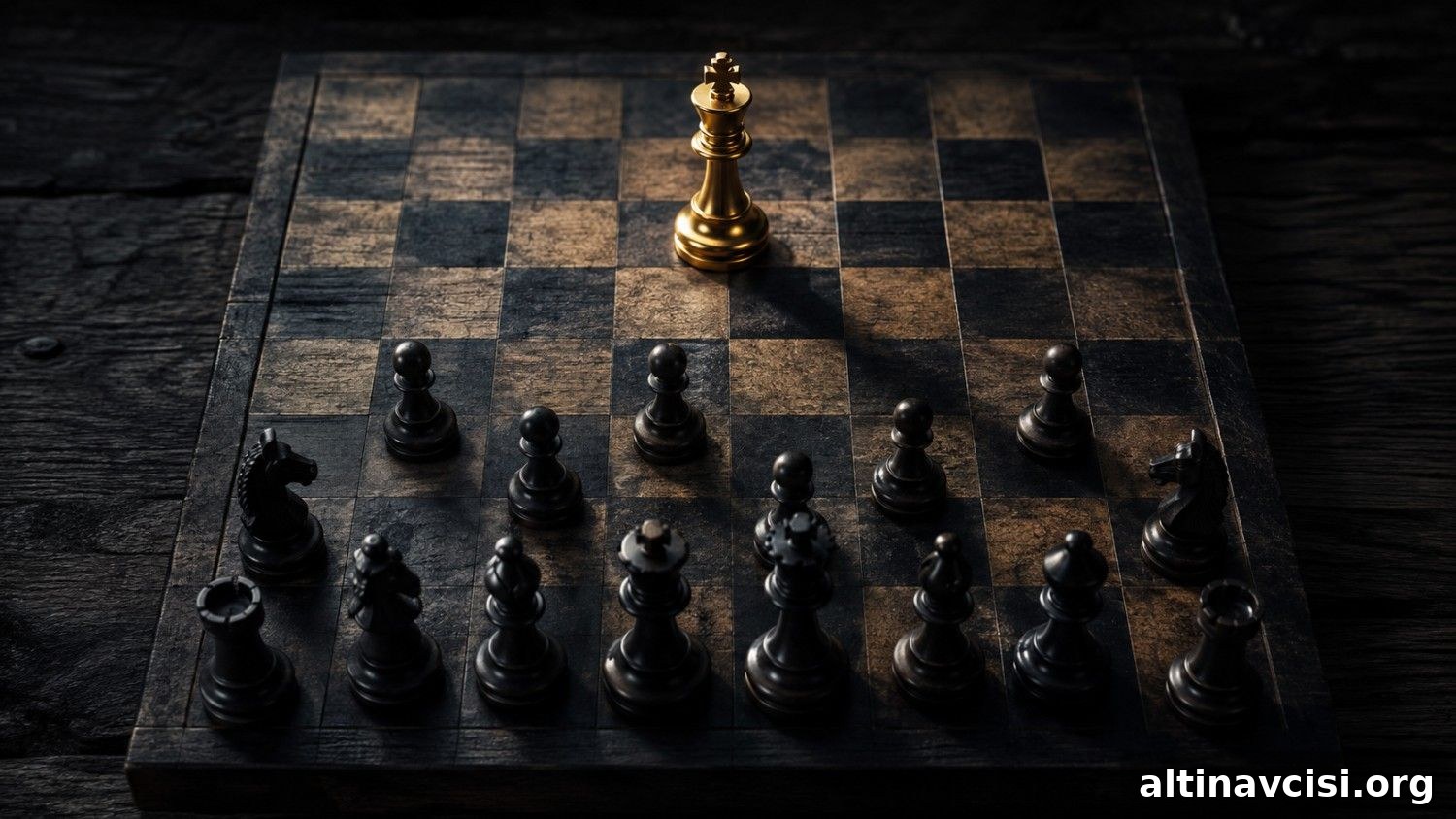
He added: “It will work out. It always works out. It’s like a chess game.”
Iran’s Foreign Ministry echoed a similar description on Monday, though from Tehran’s perspective it does not characterize existing contacts as direct negotiations. Communications appear to be channeled through intermediaries — primarily Pakistan and Qatar — while Oman has been conducting a separate bilateral dialogue with Iran about shipping in the Strait of Hormuz. Tehran is not calling these interactions negotiations with the United States.
Over the weekend, Iran’s Supreme National Security Council issued a list of conditions for reopening the strait. Tehran is demanding an end to the U.S. naval blockade, removal of all sanctions, the release of frozen Iranian assets, and compensation for damage from U.S. strikes since the crisis began on February 28, 2026. These are substantial terms — not typical opening gambits intended to give negotiators room to move. They mirror prior Iranian demands tied to nuclear talks but are now applied specifically to reopening a shipping lane.
The Edge Every Investor Needs
Smarter precious metals investing starts here. The Nuggets Newsletter brings market insights, Fed updates, global trends, educational videos and more.
Why Does the Hormuz Stalemate Matter for Gold Prices?
The Strait of Hormuz is a crucial trade artery that normally carries roughly 20% of the world’s oil. Its partial or full closure since the conflict began has kept energy markets nervous and complicated the Federal Reserve’s decisions on interest rates.
For gold holders, the transmission mechanism is straightforward: sustained higher energy prices push inflation expectations up. Higher expected inflation in turn pressures the Fed to raise rates, and when the probability of rate hikes rises, real yields often follow — a trend that typically weighs on gold.
So why has gold remained comfortably above $4,300 even as markets price a roughly 60% chance of a September rate hike? Because investors increasingly recognize the Hormuz situation as a drawn-out stalemate rather than a series of imminent breakthroughs.
Since the conflict began, repeated signals that a deal was “days away” have briefly eased oil prices and lifted equities — only for the standoff to reassert itself within days. That pattern has trained institutional investors to treat optimistic headlines with skepticism. Instead of responding to each fleeting sign that a resolution is near, many are positioning for prolonged disruption. ETF inflows into gold products over recent weeks reflect this patient allocation rather than short-term speculative flows.
What Is Iran’s Economic Position Right Now?
Trump’s “chess game” metaphor matters because it captures a strategic patience that relies on economic pressure. Iran’s economy is under strain: a naval blockade has curtailed oil exports, inflation is severe, and authorities face growing fiscal stress. If economic pressure could compel Tehran to quickly change course, the argument for a fast resolution would be stronger.
Yet Tehran has not dialed back its demands; it has hardened them. Meanwhile, allied groups have broadened the disruption — for example, Houthi attacks in the Red Sea have raised the prospect of a second shipping route being affected. Iranian political calculations do not necessarily track purely economic logic. That divergence — between economic vulnerability and political resolve — makes the standoff more likely to persist.
That persistence is important for gold: prolonged geopolitical uncertainty tends to support gold prices because the metal serves as a safe store of value without counterparty risk. Whether the situation resolves quickly or drags on, the risk of extended disruption strengthens the case for a higher gold floor.
How Should Gold Investors Interpret This Development?
Investors should watch two forces this week. First, July CPI data will be released on Wednesday, August 12; consensus expects headline inflation to ease slightly. Softer-than-expected inflation would reduce the odds of a September rate hike and likely act as a catalyst for gold. Conversely, hotter inflation would reinforce the case for tighter monetary policy and could cap gold’s upside.
From a technical perspective, gold’s near-term resistance sits around $4,380 with support near $4,300. The geopolitical stalemate creates a durable floor under prices. The inflation print will determine whether markets give gold room to break higher or re-test support.
Trump’s phrase “semi-negotiating” is not a deal announcement. It signals an administration strategy of attrition rather than immediate resolution. Attrition tends to prolong conflicts, and prolonged uncertainty has historically favored gold — not because geopolitical risk is inherently bullish, but because physical gold carries no counterparty risk and no issuer that can change terms. For investors holding physical metal or gold ETFs, that durability is central: a geopolitical chess match can last a long time, and physical gold doesn’t run out of time.
Stay On Top of Gold & Silver Prices
Get important market alerts sent straight to your inbox.
SOURCES
1. Axios — Trump: “We are only semi-negotiating with them,” August 9, 2026
2. ABC News — Iran war negotiations and live updates, August 10, 2026
3. CBS News — Coverage of negotiations and Houthi attacks, August 10, 2026
4. Bloomberg — Analysis of economic pressure and U.S. strategy, August 10, 2026
5. CNBC — Markets reacting to deal optimism and subsequent reversals, August 7, 2026
6. Benzinga — Report on GLD ETF inflows and AUM, August 9, 2026
7. InvestingLive — Reporting on Hormuz and Red Sea disruptions, August 10, 2026
8. GoldSilver.com — Spot price references, August 10, 2026
Disclaimer: This article is for informational purposes only and does not constitute investment advice. Past performance is not indicative of future results. Always consult a qualified financial advisor before making investment decisions.
You May Also Like:
- Gold Opened at Its Highest Level Since June. Five Things Are Keeping It From Going Higher.
- Gold Had Its Best Week Since January. Wednesday’s CPI Could Take It Back.
- Gold Just Climbed to a 7-Week High. One Number Changed Everything.
- The Jobs Report Did What Iran Couldn’t: Move Gold and the Fed in the Same Direction
- China Has Been Buying Gold for 20 Straight Months. Now It’s Moving It.
- Trump’s Polysilicon Tariff Just Hit Silver’s Biggest Industrial Customer
- Gold Rallied 6% This Week. Tomorrow One Number Decides Whether It Holds.