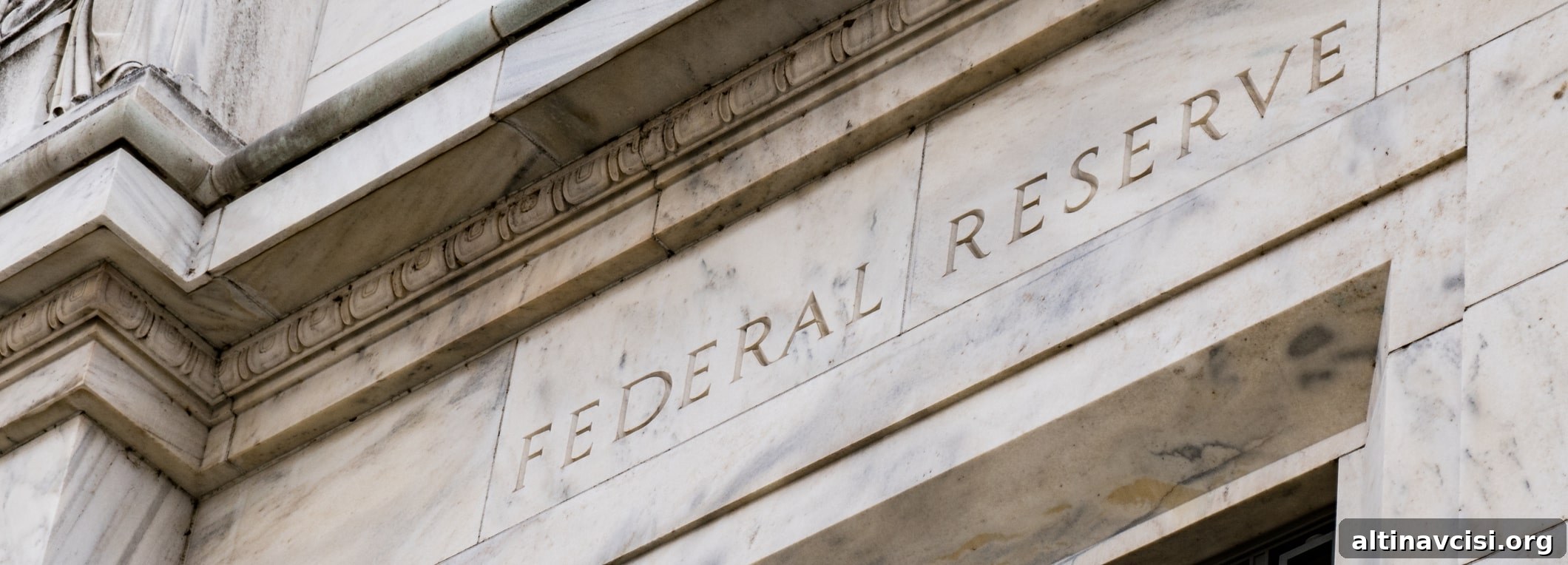
President Trump is openly threatening to remove Federal Reserve Chair Jerome Powell and has asked the Supreme Court to greenlight his broader effort to dismiss members of independent agencies. This push confronts a longstanding, roughly 90-year legal precedent that limits a president’s ability to fire officials at independent agencies except for specific causes such as neglect of duty or malfeasance.
In recent months, Trump has already dismissed leaders at the Federal Trade Commission and the Federal Election Commission, moves that are now the subject of legal challenges. A former FTC board member has noted that the legal status of their position is comparable to that of the Fed chair, arguing that a successful legal claim to remove FTC officials could set a precedent allowing the same treatment for Powell.
Trump has publicly urged a swift removal of Powell and has reportedly considered replacing him with former Federal Reserve governor Kevin Warsh. However, some of his economic advisers have cautioned against immediate action and instead recommend waiting until Powell’s term expires in 2026. The debate touches on constitutional and institutional questions about the independence of monetary policy and the proper limits of presidential authority.
Removing the Fed chair would be a consequential step with significant implications for financial markets and central bank independence. The Federal Reserve operates with a degree of insulation from political pressure to help ensure that monetary policy decisions—on interest rates, inflation control and financial stability—are based on economic considerations rather than short-term political goals.
Legal scholars and practitioners are closely watching the court challenges surrounding Trump’s firings of independent agency officials. If courts uphold the president’s authority in those cases, it could erode established protections for agency independence and reshape the balance of power between the White House and regulatory bodies. Conversely, if the courts reaffirm the traditional limits on removal, it would reinforce the precedent designed to keep certain agencies insulated from partisan influence.
Beyond the courts, the political ramifications are substantial. Lawmakers, business leaders and central bankers could react strongly to any move perceived as politicizing the Federal Reserve, potentially affecting confidence in U.S. monetary policy. Markets often respond to uncertainty and to changes in governance at the Fed, so any attempt to replace the chair prematurely could prompt volatility.
Ultimately, the dispute raises broader questions about how much control a president should have over officials who lead independent institutions created to serve long-term public interests. As litigation proceeds and political debate continues, observers will be watching both legal rulings and the administration’s next steps to see whether the traditional boundaries that protect agency independence will hold or be redefined.