Trump Gold Bar Tariffs Roil Global Bullion Markets

US Imposes Unexpected Tariffs on Gold Bars, Shaking Global Market
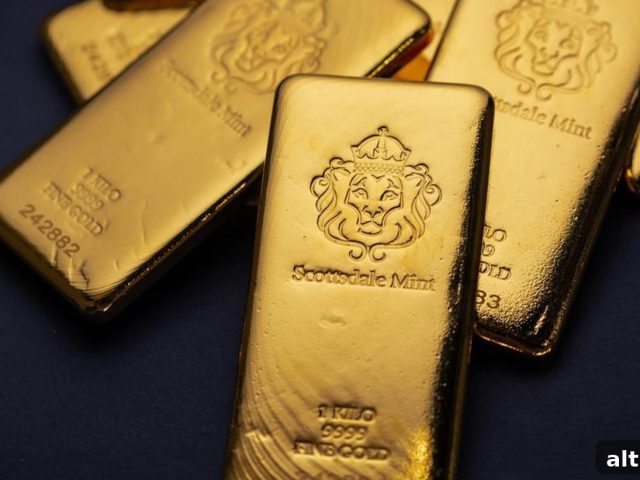
The United States has unexpectedly applied reciprocal tariffs to imports of gold bars, a move that has created immediate disruption across the global gold market. The change in policy was clarified by US Customs and Border Protection (CBP), which indicated that one-kilogram and 100-ounce gold bars are included under the tariffs associated with President Trump’s reciprocal trade measures—contrary to prior industry expectations.
What the Ruling Means
For refiners, traders, vault operators and institutional investors, the CBP clarification removes any lingering uncertainty about which gold products are affected. Market participants who had believed that certain bars were exempt are now facing a reassessment of costs, logistics and contractual obligations. The ruling applies to physical gold bar imports entering the United States in those common sizes, bringing them into the scope of tariffs that had already been applied to other goods under the reciprocal tariff framework.
Immediate Market Reaction
The announcement sparked a swift response in pricing. Gold futures trading in New York shot up to record highs as traders reacted to the prospect of reduced inbound supply and higher landed costs for physical gold in the US. Those gains have widened the price spread between US and international markets, creating a notable arbitrage and complicating cross-border settlement for dealers and bullion banks that operate across multiple centers.
Supply Chain and Trade Flow Disruption
Major refineries in Asia have reportedly paused shipments bound for the United States while they and their customers assess the new tariff treatment. The pause reflects broader uncertainty over invoicing, duty liabilities and potential re-routing of product flows. Because the global physical gold trade is tightly linked across hubs such as Switzerland, Hong Kong and London, the US move threatens to disturb established supply chains and trade flows between these centers.
Refiners and bullion dealers may consider alternative strategies to manage costs and access to the US market, including:
- Temporarily halting exports to the US until tariff obligations are clarified or adjusted;
- Re-routing shipments through third countries or bonded warehouses to defer tariff application;
- Passing higher import costs to buyers, which could widen retail spreads and affect demand for investment-grade bars; and
- Seeking legal or administrative remedies to challenge or appeal specific tariff classifications.
Broader Implications for Traders and Investors
The tariff clarification raises multiple operational and financial questions. Dealers that rely on physical arbitrage between markets now face higher transaction costs and logistical hurdles. Owners of allocated and segregated bullion holdings may encounter delays or higher fees for repatriating metal to the United States. Meanwhile, the price divergence between US-listed futures contracts and spot prices in major global centers could persist until market structures and shipping patterns adjust.
Market makers and vault operators will need to re-evaluate inventory strategies, hedging positions and client communication to address potential margin and liquidity stress. For end users such as jewelers and industrial buyers, higher landed costs could feed through to downstream pricing over time.
Uncertainty and Next Steps
Regulatory clarifications such as this often prompt immediate operational reactions followed by legal and commercial responses. Analysts and industry participants will be watching how CBP implements the tariff rules in practice, whether any exemptions or procedural changes are introduced, and how quickly refineries resume shipments once customs procedures are reconciled with contractual obligations.
Until those practical details are resolved, the new tariff treatment places added pressure on an already complex and highly interconnected global gold market. The outcome will influence not only short-term price dynamics in New York and London but also longer-term decisions by refiners and traders about where and how to source, refine and distribute investment-grade gold bars.
Popular Topics
Picked from the archive
-
01
 Topics
Why Ground Beef Prices Are Soaring as Cattle Supply Shrinks
-
02
Topics
Gold Falls to One-Week Low as Trade Talks Enter Final Days
-
03
Topics
Brazil Inflation Off Target for Sixth Straight Month
-
04
Topics
Oil Price Tops $65 as US-China Trade Talks Lift Markets
-
05
Topics
June CPI Jumps 2.7 Percent as Tariffs Push Up Consumer Prices
-
06
Topics
Why Wealthy Investors Allocate 11% of Portfolios to Gold
-
07
Topics
Senate Tax Bill Adds 3.3 Trillion to Deficit, Raising Alarm
-
08
Topics
Powell’s Rate-Cut Dilemma: Trump vs Fed Credibility